There’s something uniquely reassuring about seeing an ambulance rush by, sirens blaring, knowing that dedicated paramedics are on their way to save a life.

But what if we could give these real-life heroes a superpower, an aerial assist that cuts through traffic and reaches remote areas in minutes, not hours?
I’ve been utterly fascinated by the incredible advancements happening right now, particularly how drone technology is beginning to revolutionize emergency medical services.
It’s not just about delivering supplies faster; it’s about rethinking the entire chain of survival, from that critical first minute to getting a patient the care they desperately need.
The thought of a drone swooping in with an AED or vital medication before traditional ground teams can even navigate complex urban sprawls or rugged terrains truly excites me.
It’s a game-changer, and trust me, you’ll want to understand just how this synergy between our frontline medical responders and cutting-edge aerial tech is unfolding.
Let’s delve into the specifics and uncover the future of emergency healthcare.
The Unseen Lifelines: Drones Delivering Critical Care
Beating the Clock: Speeding Up Initial Response
There’s truly nothing quite like the feeling of knowing help is minutes away when every second counts. From my own experience, I’ve seen firsthand how agonizingly slow traffic can make emergency response times feel.
Imagine a heart attack victim, or someone suffering a severe allergic reaction in a densely packed urban area during rush hour. Traditional ambulances, as heroic as they are, are often trapped in the very same gridlock we all complain about.
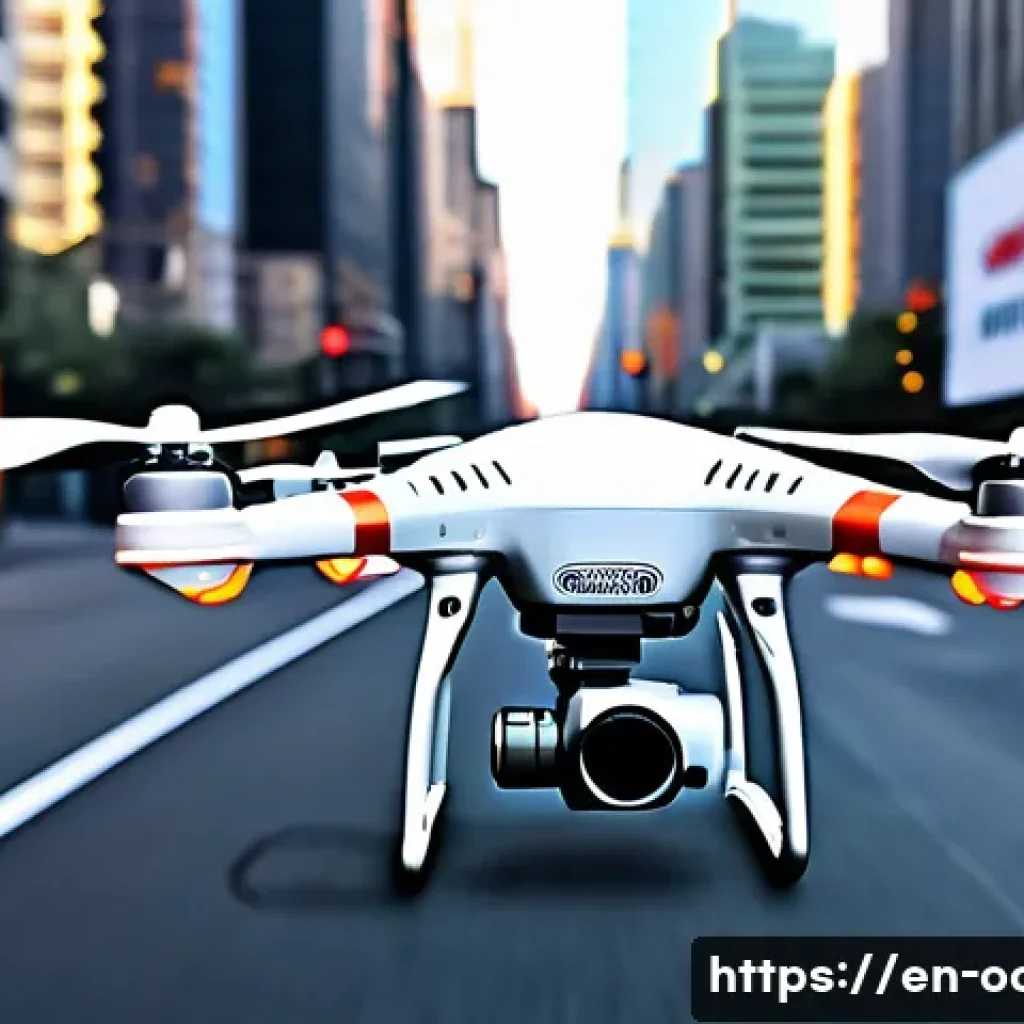
This is where drones aren’t just an improvement; they’re a revolutionary leap. They cut through the air, completely bypassing traffic jams, construction zones, and even natural barriers that would halt a ground vehicle.
I’ve been following some incredible trials where drones equipped with essential medical supplies, like automated external defibrillators (AEDs) for cardiac arrest, have reached patients significantly faster than any ambulance could have.
This isn’t just about shaving off a few seconds; in critical situations like cardiac arrest, every minute lost decreases the chance of survival by 7-10%.
The difference between a drone arriving in two minutes versus an ambulance in ten could literally mean the difference between life and death. It’s a game-changer for that golden hour of emergency medicine, turning what was once a desperate race against time into a much more winnable scenario for patients and paramedics alike.
The thought of that rapid response, the immediate impact, honestly gives me goosebumps because it truly redefines what “fast” means in emergency care.
Reaching the Unreachable: Navigating Tough Terrains
Living in areas with diverse landscapes, you quickly learn that getting from point A to point B isn’t always a straight shot. Think about hikers injured deep in a national park, victims of an accident on a remote mountain road, or even someone needing urgent care on a small island accessible only by boat or a lengthy drive.
These are scenarios where traditional EMS teams face immense logistical challenges. I remember hearing stories of rescue missions that took hours, sometimes even days, simply to reach the patient, let alone transport them.
This is another area where drones are proving to be nothing short of miraculous. They can fly over dense forests, rugged mountains, floodwaters, or collapsed infrastructure that would be impossible or incredibly dangerous for ground vehicles or even helicopters in certain conditions.
Imagine a drone carrying life-saving antivenom to a snakebite victim in a remote canyon, or delivering pain medication to a hiker with a broken leg miles from the nearest road.
It’s not just about reaching them; it’s about doing so with a speed and safety profile that was previously unimaginable. From what I’ve observed, this capability alone could revolutionize rural and wilderness medicine, ensuring that geographical isolation no longer dictates a patient’s chances of survival.
It genuinely feels like we’re finally leveling the playing field, bringing top-tier emergency care to everyone, everywhere.
More Than Just a Messenger: Advanced Drone Capabilities
AEDs from the Sky: Defibrillation on Demand
When we talk about cardiac arrest, the phrase “time is tissue” truly hits home. Every second counts, and immediate access to an Automated External Defibrillator (AED) dramatically increases survival rates.
I’ve personally been trained in CPR and AED use, and the biggest takeaway is always speed. Most communities have public access AEDs, but finding one, retrieving it, and getting it to the patient can still take precious minutes.
This is where the concept of “AEDs from the sky” becomes incredibly compelling. Imagine a situation where someone collapses, and a bystander calls 911.
Simultaneously, a drone is dispatched from a nearby hub, carrying an AED directly to the scene, often arriving even before the ambulance can navigate traffic.
The drone can land precisely, and instructions can be relayed to bystanders via its onboard communication system. I’ve seen simulated scenarios of this, and the efficiency is breathtaking.
It empowers ordinary people to become immediate lifesavers, bridging that critical gap between the onset of cardiac arrest and the arrival of professional medical help.
The thought that a simple piece of aerial technology could empower countless individuals to perform a life-saving intervention fills me with immense optimism for public health outcomes.
It’s not just about technology; it’s about democratizing immediate critical care.
Medication on the Fly: Urgent Drug Delivery
Beyond AEDs, the potential for drones to deliver other critical medications is vast and incredibly exciting. Consider situations requiring immediate intervention for conditions like anaphylaxis (severe allergic reaction), where an epinephrine auto-injector (EpiPen) can be life-saving.
Or perhaps insulin for a diabetic emergency in a remote area, or even specialized antidotes for poisonings that aren’t commonly stocked everywhere. I’ve often worried about the availability of specific medications in emergencies, especially outside of major hospital settings.
Drones can serve as flying pharmacies, rapidly transporting these vital drugs directly to where they are needed most. This isn’t just a hypothetical future; trials are already demonstrating this capability.
What impresses me most is the precision and speed. The drone can be guided to a specific GPS coordinate, ensuring the medication reaches the right hands at the right time.
This capability could be transformative for rural communities, disaster zones, or even busy urban environments where specialized drugs might be delayed by conventional transport.
It’s a significant step towards ensuring that geographic location or traffic congestion never stands in the way of essential medical treatment. I feel like this really elevates the concept of emergency response to a whole new level of preparedness and efficiency.
Eyes in the Sky: Enhancing Situational Awareness
Pre-Arrival Intelligence: What Paramedics See Before They Arrive
One of the most challenging aspects of emergency response for paramedics is arriving on a scene with limited information. Every call is unique, and unexpected hazards or complexities can often delay care or put responders at risk.
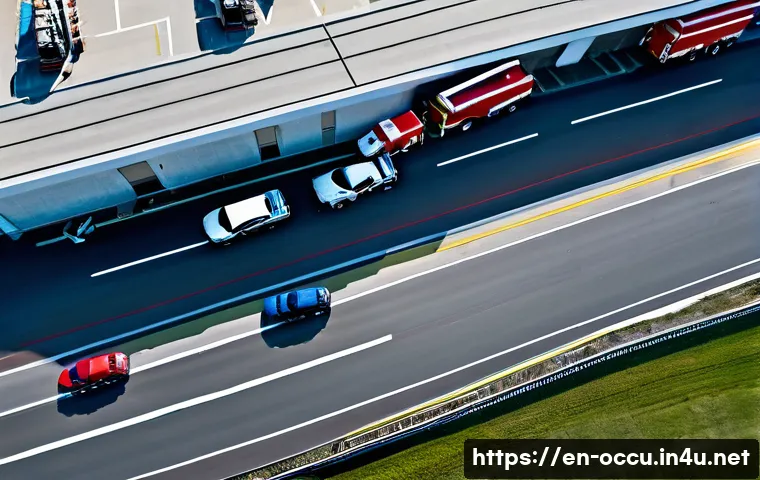
This is where drones offer an invaluable asset: real-time, aerial intelligence. Imagine a drone being deployed to a multi-vehicle accident on a highway.
Before the ambulance even pulls up, the paramedics can be viewing live video footage from the drone. They can assess the number of vehicles involved, identify potential hazards like spilled fuel or downed power lines, pinpoint the exact location and severity of victims, and even plan the safest approach route.
I’ve spoken with paramedics who often mention the sheer chaos of arriving at complex scenes, and the value of pre-arrival information cannot be overstated.
This visual reconnaissance can dramatically reduce arrival-to-treatment time by allowing teams to organize their response, prioritize resources, and prepare specific equipment before they even step out of their vehicle.
It’s like having an extra set of eyes, providing a strategic advantage that allows our frontline heroes to work smarter and safer.
Mass Casualty Management: A Bird’s-Eye View
In the unfortunate event of a mass casualty incident (MCI), whether it’s a natural disaster, a large-scale accident, or a public health emergency, the scene can be overwhelming for responders.
Identifying and triaging numerous victims spread across a wide area is a monumental task. This is another critical area where drones shine. Equipped with high-definition cameras, thermal imaging, and even sophisticated mapping software, drones can provide an immediate and comprehensive overview of the entire incident site.
They can quickly identify hot spots, locate victims who might be hidden from ground view, and assess the overall scope of the disaster. From my perspective, this bird’s-eye view is essential for effective incident command.
It allows emergency managers to allocate resources more efficiently, direct ground teams to areas of greatest need, and maintain continuous oversight of the evolving situation.
I believe this capability significantly reduces the time it takes to organize a coordinated response, ultimately saving more lives by ensuring that every victim is accounted for and receives timely care.
It’s a powerful tool that transforms chaos into a manageable, albeit tragic, situation.
| Drone EMS Application | Key Benefit | Impact on Emergency Response |
|---|---|---|
| AED Delivery | Rapid defibrillator access | Significantly increases cardiac arrest survival rates by reducing time to defibrillation. |
| Urgent Medication Transport | Fast delivery of life-saving drugs (e.g., EpiPens, antidotes) | Ensures critical medications reach patients quickly, regardless of location or traffic. |
| Remote Area Access | Overcomes geographical barriers | Extends emergency care to previously inaccessible or hard-to-reach locations. |
| Situational Assessment & Mapping | Real-time aerial overview of incident scenes | Enhances responder safety, improves resource allocation, and streamlines incident command. |
The Human Element: Integrating Drones with Ground Teams
Training Our Heroes for the Drone Age
It’s easy to get swept away by the technological marvel of drones, but we must never forget the dedicated individuals on the ground who make these operations truly successful: our paramedics and emergency responders.
Integrating drones isn’t about replacing these heroes; it’s about empowering them with new tools. This means comprehensive training is paramount. I’ve always believed that the best technology is only as good as the people operating it, and this holds true for drone EMS.
Paramedics, EMTs, and dispatchers need to understand not just how to deploy a drone, but how to interpret the data it provides, how to coordinate with aerial assets, and even how to troubleshoot minor issues in the field.
This training needs to be hands-on, realistic, and integrated into existing EMS protocols. It’s about building a new skillset that complements their already extensive knowledge.
From what I’ve gathered through conversations with folks in the field, there’s a genuine excitement about these new capabilities, but also a healthy respect for the learning curve.
We’re not just training pilots; we’re training a new generation of hybrid emergency professionals who are equally adept at saving lives on the ground and coordinating vital support from the sky.
It’s a really exciting evolution of their crucial role.
Seamless Collaboration: Ground-Air Synergy
The true power of drones in EMS lies in their ability to work seamlessly with existing ground teams, creating a synergy that elevates overall response capabilities.
Think of it less as a solo act and more as a highly choreographed dance between air and ground. For example, while a drone delivers an AED to a specific address, ground crews can use the drone’s live video feed to plan their entry, identify potential obstacles, and prepare for patient care even before they arrive on scene.
This collaboration extends beyond just direct patient care. In search and rescue operations, drones can cover vast areas much faster than ground teams, identifying potential search targets and guiding rescuers directly to them.
I feel that this integrated approach is key to optimizing outcomes. It’s about leveraging the unique strengths of each component – the speed and perspective of the drone, and the direct, hands-on medical expertise of the paramedics – to create a system that is far more effective than either could be alone.
This seamless exchange of information and coordinated action is what truly transforms emergency response into a more efficient, safer, and ultimately more life-saving endeavor.
Overcoming Hurdles: The Road to Widespread Adoption
Navigating Regulations and Airspace
As amazing as the potential of drone EMS is, we can’t ignore the very real challenges that need to be addressed for widespread adoption. One of the biggest hurdles, from what I’ve observed, is navigating the complex web of airspace regulations.
Airspace isn’t just open for anyone to fly anything, anywhere, anytime – and for good reason. There are commercial flights, military operations, and countless other authorized aerial activities that demand stringent safety protocols.
Integrating a fleet of EMS drones into this already busy environment requires robust regulatory frameworks, sophisticated air traffic management systems for drones (often called UTM or Unmanned Aircraft System Traffic Management), and clear lines of authority.
This isn’t a quick fix; it requires collaboration between aviation authorities, government bodies, and drone manufacturers to create safe, reliable, and scalable operating guidelines.
I sometimes get frustrated by how slowly regulations move, especially when lives are at stake, but I also understand the absolute necessity of safety.
It’s a delicate balance, and getting it right is crucial for public trust and operational success. Without clear rules, the skies could quickly become chaotic, undermining the very benefits these drones promise.
Addressing Public Perception and Privacy Concerns
Beyond the technical and regulatory aspects, public perception plays an enormous role in the successful integration of any new technology, especially one that flies over our heads.
While many people are excited about drones delivering life-saving aid, there are also legitimate concerns about privacy and noise. The idea of a drone, even a benevolent one, flying near one’s home can raise questions about surveillance.
Therefore, building public trust is absolutely critical. This means transparent communication about how drones are used, what data they collect (and don’t collect), and strict adherence to privacy policies.
It also means educating the public about the life-saving benefits and showcasing the positive impact. I’ve found that when people understand the “why” – that these drones are there to save lives – many of their initial reservations begin to fade.
Noise pollution is another factor, though advancements in drone technology are constantly making them quieter. Addressing these concerns proactively, engaging with communities, and demonstrating the clear value proposition are essential steps.
It’s not just about deploying technology; it’s about building a social contract around its use, ensuring that people feel safe, respected, and ultimately, cared for.
The Economic Imperative: Cost-Effectiveness and Efficiency
Reducing Response Times, Saving Costs
It might seem counterintuitive at first, given the advanced technology involved, but drones actually hold significant potential for improving the cost-effectiveness and efficiency of emergency medical services.
Think about the operational costs associated with traditional ambulance services: fuel, vehicle maintenance, staffing, and the sheer wear and tear on vehicles navigating challenging urban or rural environments.
While there’s an initial investment in drone technology and infrastructure, the long-term savings can be substantial. By rapidly deploying supplies or conducting initial assessments, drones can potentially reduce the need for multiple ground units or minimize the duration of complex, costly search and rescue operations.
I’ve been fascinated by the economic models I’ve seen, suggesting that for certain types of calls, a drone response could be a fraction of the cost of dispatching a full ambulance team, especially if the drone can resolve the immediate emergency (like delivering an AED) before full ground support is even needed.
This isn’t just about saving money for EMS agencies; it’s about optimizing taxpayer dollars and reallocating resources to where they are most critically needed.
It truly makes sense from both a humanitarian and a fiscal perspective, which is a rare and powerful combination.
Optimizing Resource Allocation
Beyond direct cost savings, drones offer a powerful capability for optimizing resource allocation across an entire emergency system. In any given moment, EMS agencies are juggling multiple calls, trying to send the right resources to the right place at the right time.
A drone, acting as a rapid assessment or first-response delivery unit, can help prioritize and manage this flow more effectively. For instance, if a drone can quickly verify that a call is less critical or that immediate intervention has already occurred (e.g., successful defibrillation via drone-delivered AED), it frees up an ambulance for a more severe, ongoing emergency.
This intelligence helps dispatchers make more informed decisions, ensuring that high-value resources like ambulances and trained paramedics are deployed where their hands-on skills are absolutely indispensable.
I’ve seen how stretched emergency services can be, and any tool that helps them manage their precious resources more intelligently is an absolute win.
It’s not just about getting to the scene faster; it’s about making the entire emergency response ecosystem more intelligent, responsive, and ultimately, more capable of handling the unexpected.
What’s Next? The Future is Already Here
AI-Powered Autonomous Missions
The advancements we’ve seen in drone technology are just the tip of the iceberg, and what truly excites me about the future of EMS is the integration of Artificial Intelligence.
Imagine a drone system that isn’t just remotely piloted, but can autonomously respond to emergency calls, navigate complex airspace, identify potential hazards, and even communicate with bystanders, all powered by sophisticated AI algorithms.
We’re talking about AI-powered vision systems that can precisely identify a patient’s location, assess the severity of an accident, or even detect vital signs from a distance.
I’ve read about incredible breakthroughs in this area, where AI can analyze visual cues to detect distress or even guide a bystander through CPR instructions.
This level of autonomy, while still requiring human oversight, would dramatically increase the speed and efficiency of drone deployment, making them even more integral to the initial stages of emergency response.
It’s a vision that blends cutting-edge robotics with compassionate care, pushing the boundaries of what’s possible in saving lives. The future, it seems, will involve drones that not only deliver aid but also intelligently assist in the entire chain of survival.
Expanding the Drone EMS Toolbox
The current focus for drone EMS is often on AEDs and basic medical supplies, but the “toolbox” of what these aerial vehicles can carry is rapidly expanding.
I envision a future where drones can deliver specialized medical equipment for trauma care, advanced diagnostic tools for remote assessment, or even act as mobile communication hubs in disaster zones where traditional networks are down.
Think about drones equipped with thermal cameras to locate victims in collapsed buildings or night-time environments, or even small, portable ultrasound devices that can be deployed to a scene and operated remotely by a physician.
The possibilities are truly boundless. As battery technology improves and drone payload capacities increase, we’ll see an exponential growth in their capabilities.
It’s not just about what they can carry, but the innovative ways in which we can use them to extend the reach and effectiveness of our emergency medical services.
This continuous evolution means that the “future” of drone EMS is a constantly unfolding reality, bringing more hope and critical care to communities every single day.
글을 마치며
Wow, what a journey we’ve taken through the incredible world of drones in emergency medical services! It’s genuinely exciting to think about how these silent sentinels of the sky are redefining what’s possible in saving lives. From bypassing gridlock to reaching the most remote corners, and empowering bystanders with vital tools, drones aren’t just a futuristic concept anymore; they are a rapidly evolving reality. My hope is that as this technology continues to mature, we’ll see an even more seamless integration into our emergency response systems, making every community safer and every critical moment a little less desperate. It truly feels like we’re on the cusp of an era where no one is beyond the reach of rapid, life-saving care, and that, my friends, is a future worth getting excited about.
알아두면 쓸모 있는 정보
As we wrap up our dive into drone EMS, here are a few extra nuggets of information and practical insights that I’ve found incredibly useful and believe you will too. Keeping these in mind can help you better understand the landscape of emergency response and how you might even play a role in this evolving field.
-
Always Call 911 First: While drone technology is amazing, it’s crucial to remember that it’s part of a larger, coordinated emergency response system. If you witness or are involved in an emergency, your very first action should always be to call 911 (or your local emergency number). This immediately dispatches all necessary resources, including potentially a drone, and ensures professional help is on its way. Drones complement, not replace, traditional emergency services. They’re an extra layer of invaluable support, but the human connection to 911 remains the critical first step for any urgent situation.
-
Bystander Training is Key: Drones delivering AEDs are fantastic, but what happens when the device arrives? That’s where trained bystanders become true heroes. Knowing basic CPR and how to use an AED can make all the difference in that crucial window before professional help arrives. Many local fire departments, community centers, and even online resources offer courses. I can’t stress enough how empowering it feels to know you have the skills to potentially save a life, even if a drone is on its way. The technology needs human hands to guide it, making your knowledge priceless.
-
Privacy Protections Are in Place: Understandably, some people have concerns about drones flying overhead, particularly regarding privacy. It’s important to know that EMS drone operations are subject to strict regulations and ethical guidelines. These drones are primarily focused on the emergency scene itself, often with limited data retention and robust cybersecurity measures. Their purpose is purely life-saving, not surveillance. Continuous efforts are being made by regulatory bodies and drone operators to ensure public trust and address any privacy concerns transparently, focusing on the immediate need for emergency medical intervention.
-
Pilot Programs Are Expanding Globally: What we’ve discussed isn’t just theory; it’s happening right now! Numerous pilot programs and fully operational drone EMS initiatives are underway across the globe, from Sweden to the United States, and beyond. These programs are continuously gathering data, refining protocols, and demonstrating the effectiveness of drones in real-world scenarios. Staying informed about these developments, especially in your local area, can offer valuable insights into how emergency services are evolving and what new capabilities might soon be available in your community.
-
How to Support Drone EMS: If you’re as excited about this future as I am, there are ways to support its growth. Advocating for sensible regulations, encouraging community engagement with local EMS agencies, and simply spreading awareness about the life-saving potential of these technologies can make a difference. Public understanding and support are vital for securing funding, streamlining regulatory processes, and ultimately integrating drone EMS as a standard component of our emergency healthcare infrastructure. Your voice can help accelerate the adoption of these incredible tools.
중요 사항 정리
To sum things up, the integration of drones into emergency medical services represents a monumental leap forward in our ability to respond to critical situations. These aerial lifelines promise not only to drastically reduce response times and overcome geographical barriers, but also to significantly enhance the situational awareness of our dedicated first responders. While challenges remain in navigating regulations and fostering public trust, the proven benefits in delivering life-saving equipment like AEDs and urgent medications are undeniable. The future, with AI-powered autonomous missions and an ever-expanding toolkit, points towards an emergency response ecosystem that is smarter, faster, and ultimately, more effective at saving lives, blending cutting-edge technology with compassionate human care.
Frequently Asked Questions (FAQ) 📖
Q: How do drones specifically assist paramedics in real-life emergencies?
A: This is a fantastic question, and it’s where the magic really happens! From what I’ve seen and researched, drones aren’t replacing our incredible paramedics; they’re giving them an unparalleled advantage, especially when seconds literally count.
Imagine a traffic nightmare during rush hour or a remote hiking trail far from any road. Instead of ground teams struggling to get through, a drone can be dispatched almost instantly.
It’s like having eyes and hands in the sky that bypass all those obstacles. They can zoom ahead, scout the scene, and give first responders crucial real-time information about the situation on the ground.
This kind of intel means paramedics arrive better prepared, knowing exactly what to expect. And here’s the kicker: they can carry vital equipment right to the patient’s side before the ambulance even arrives.
That immediate intervention can be the difference between life and death. It’s truly a collaborative effort, enhancing, not replacing, human heroism.
Q: What kinds of essential medical supplies can drones deliver, and how quickly?
A: Oh, this is the part that truly blows my mind! When we talk about “supplies,” we’re not just talking about bandages – we’re talking about life-saving equipment that can make an immediate impact.
The most prominent example you hear about is Automated External Defibrillators, or AEDs. Think about someone suffering a sudden cardiac arrest; every minute without an AED drastically reduces their chances of survival.
A drone can deliver an AED to a park, a large event, or a remote home in a fraction of the time it would take a traditional ambulance. Beyond AEDs, we’re seeing trials and discussions around delivering essential medications, like epinephrine for severe allergic reactions, or even anti-hemorrhage kits for serious bleeding.
The “how quickly” part is astounding – we’re talking about minutes, not tens of minutes or hours, for critical supplies to reach a patient. I’ve heard stories where drones have cut response times from over 20 minutes down to just a few, which is absolutely revolutionary for patient outcomes.
It’s like having a lightning-fast medical courier on call!
Q: Are drones in EMS just a futuristic concept, or are they being used today?
A: That’s the million-dollar question, isn’t it? For a while, it felt like something out of a sci-fi movie, but let me tell you, this isn’t just a concept anymore – it’s happening right now, and it’s absolutely thrilling to witness!
While it’s still an evolving field and widespread adoption is a process, many pilot programs and even operational services are already making a tangible difference.
Countries like Sweden have been at the forefront, using drones to deliver AEDs in real emergencies, with documented cases of lives saved. In the U.S., various regions are conducting extensive trials, demonstrating the viability and immense potential.
It’s not a uniform rollout across every city just yet, but the foundation has been laid, the technology is proven, and regulatory frameworks are catching up.
My personal take is that we’re on the cusp of seeing this become a much more common and integrated part of our emergency response systems. It’s not just the future; it’s our present, steadily expanding its reach.