Psychological readiness for EMS work means preparing to recognize stress, stay organized under pressure, and use support early when needed. It does not mean becoming unaffected by traumatic scenes or demanding shifts.
A simple pre-shift routine, realistic scenario training, and reliable recovery habits can support steadier decision-making. Peer support may help after a difficult call, while persistent or urgent symptoms may need qualified mental health care.
Before choosing an EAP, counseling service, wellness platform, or resilience training program, compare privacy, access hours, referral options, and employer coverage.
The best option depends on your schedule, support needs, and workplace policies.
At a Glance
- Routine preparation helps EMS professionals notice stress responses and stay focused; it does not remove stress from the job.
- Peer support can be a useful non-clinical first contact after a difficult call, but it is not a replacement for qualified care when symptoms persist or become urgent.
- Support options differ in confidentiality, access hours, cost coverage, crisis availability, and clinical referral pathways.
| Support Option | Privacy Questions | Availability | Employer Cost Coverage | Best Fit | Referral Pathway |
|---|---|---|---|---|---|
| Peer-support team | Ask how conversations are handled and what exceptions apply. | May depend on team staffing and local procedures. | Often employer-supported, but confirm locally. | A non-clinical first conversation after a difficult call. | May direct responders to EAPs or qualified care. |
| Employee assistance program (EAP) | Review confidentiality terms and eligibility rules. | Access hours and response processes vary. | May be included through an employer benefit. | Initial support and navigation of available services. | May offer or arrange clinical referrals. |
| Private therapy or telehealth counseling | Review provider privacy practices and insurance terms. | Depends on provider schedules and platform access. | May be self-paid, insured, or partly covered. | Ongoing professional support when more focused care is needed. | Direct clinical relationship or provider network. |
| Resilience training or EMS wellness platform | Ask whether participation data is shared with an employer. | May be scheduled, self-guided, or platform-based. | May be employer-funded or offered as a workplace benefit. | Skills practice, education, and routine stress preparation. | Check whether clinical care or outside referrals are included. |
What Psychological Readiness Means in Emergency Medical Work
The goal: steady decision-making, not emotional numbness
EMS personnel may face traumatic scenes, time pressure, unpredictable risk, and repeated exposure to human suffering during routine work. Psychological readiness is the ability to recognize your own stress response and return to reliable actions, communication, and support systems. It is not a demand to feel nothing. Trying to suppress every reaction can make it harder to notice when recovery or additional support is needed.
A three-step pre-shift mental readiness routine
Keep the routine brief enough to use on a real shift. First, check the basics: sleep quality, hydration, food, and whether fatigue may affect attention or mood. Second, clarify your role, partner communication, and any operational changes that could create uncertainty. Third, identify one support option you could use after a difficult incident, such as a peer contact, EAP access route, or qualified counseling provider. The point is not to predict the next call; it is to reduce avoidable uncertainty.
When immediate safety concerns require urgent support
A difficult call can bring strong reactions. However, urgent safety concerns, severe distress, or symptoms that remain persistent should not be handled as a routine toughness test. Use the urgent support process available through your workplace or local services, and seek qualified mental health care when appropriate. A peer program may be a helpful first contact, but it should not be expected to manage every situation.
Compare Support Options Before You Need Them
Peer-support teams versus employee assistance programs
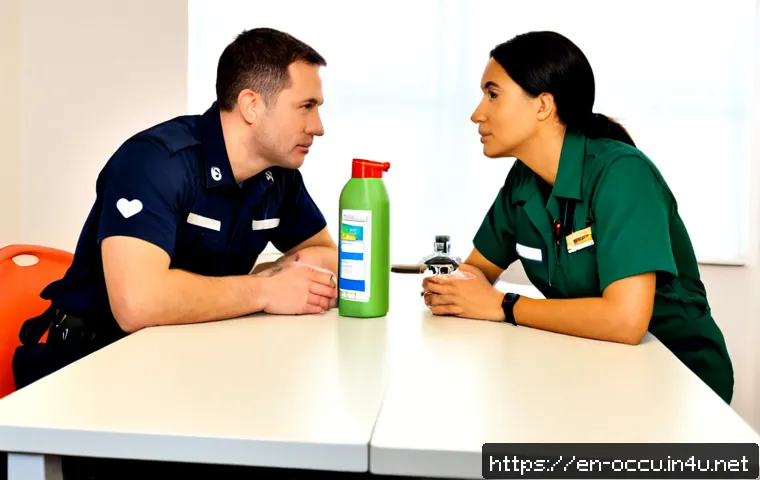
Peer teams can offer shared occupational understanding and a non-clinical conversation with someone familiar with emergency response work. An employee assistance program may provide a broader support route, including counseling access or referrals, depending on the employer plan. Neither model is identical across organizations. Before relying on either one, ask how confidentiality works, who is eligible, whether after-hours access exists, and what happens if clinical support is needed.
Resilience workshops, private therapy, and telehealth counseling
Resilience education can be useful for practicing stress-awareness skills, communication, and recovery habits before a critical incident occurs. Private therapy or telehealth counseling may offer a more individualized professional setting, especially when self-guided tools are not enough. The practical tradeoff is usually access, privacy preference, scheduling, and cost coverage. Do not assume an EMS wellness platform includes clinical care simply because it includes mental health content.
Questions to ask about confidentiality, cost coverage, and after-hours access
Ask direct questions before you need the answer under stress. Who can see participation information? What confidentiality limits apply? Is the service available around rotating or overnight schedules? Is there employer funding, insurance coverage, or a self-pay requirement? Can the program refer you to qualified mental health care? These questions make it easier to compare an EAP, peer-support service, teletherapy benefit, or private provider without guessing.
Build a Practical Routine for Stressful Calls and Long Shifts
Prepare for uncertainty with role clarity and scenario practice
Training exercises that include communication, role clarity, and realistic scenarios can reduce uncertainty during critical incidents. Use training time to practice how information is shared, who leads which task, and how the team adapts when conditions change. The value is not in creating perfect confidence. It is in building familiar actions that remain available when the call is unpredictable.
Use brief reset techniques between calls without disrupting operations
After a stressful event, a short reset can be practical: pause, notice your physical and emotional state, hydrate if possible, and communicate relevant concerns through the appropriate team channel. This is not a substitute for formal follow-up when needed. It is a way to avoid carrying unexamined stress into the next task. Keep the reset compatible with operational demands and do not delay care responsibilities.
Protect sleep and recovery during rotating or overnight schedules
Sleep quality, recovery time, hydration, nutrition, and shift scheduling can affect attention, mood, and decision-making under pressure. Long shifts and schedule changes may make recovery harder, which is why a recovery plan should be treated as part of readiness rather than an optional reward. If workplace scheduling is contributing to ongoing strain, review available policies and discuss practical options through the appropriate channel.
Common Pitfalls That Undermine Mental Readiness
Treating exhaustion, irritability, or intrusive memories as “just part of the job”
Stress is part of EMS work, but that does not mean every reaction should be ignored. Ongoing exhaustion, irritability, sleep disruption, or intrusive memories deserve attention rather than automatic normalization. These experiences can have different causes, and a qualified professional is best placed to assess concerns that persist or interfere with daily functioning.
Relying only on alcohol, isolation, or constant overtime to cope
Isolation can reduce access to the very support systems that help responders recover. Constant overtime can also limit sleep and recovery time. A stronger approach is to keep at least one human support route and one professional support route available. That might mean a trusted peer contact plus clear information about EAP access, counseling, or telehealth options.
Waiting until performance or relationships are severely affected
Early help-seeking is often more practical than waiting for stress to affect work performance or relationships. You do not need to prove that a problem is severe before reviewing your options. A short conversation with a peer-support contact, EAP representative, or qualified clinician may clarify what level of support fits your situation.
Different Strategies for New EMTs, Experienced Paramedics, and EMS Leaders

New clinicians: confidence-building without unrealistic expectations
New EMTs benefit from structure: know your role, ask operational questions, practice communication, and identify where support is available. Confidence should come from preparation and supervised learning, not from expecting yourself to be unaffected by difficult scenes. A realistic plan includes both clinical skill development and a recovery routine after demanding shifts.
Experienced responders: cumulative stress and mentoring boundaries
Experienced paramedics may carry repeated exposure over time while also supporting newer clinicians. Mentoring can be valuable, but it should not turn one responder into the only source of support for everyone else. Maintain boundaries, use peer programs appropriately, and consider professional counseling or employer benefits when cumulative stress is becoming difficult to manage.
Supervisors: creating a support pathway without forcing disclosure
EMS leaders can improve readiness by making support pathways clear before an incident occurs. Explain available peer teams, EAPs, critical-incident support, teletherapy benefits, and resilience education without pressuring staff to disclose personal details. Clear role expectations, realistic scenario training, and visible referral options create a more usable support system.
Choosing the Right Support: A Decision Checklist
Match the option to urgency, privacy needs, schedule, and budget
Start with the immediate question: do you need a quick non-clinical conversation, ongoing professional care, or urgent help? Then compare confidentiality, access hours, clinical referral pathways, eligibility, and cost coverage. A service that looks convenient may not fit an overnight schedule. A workplace option may be useful, but you should still review its privacy and referral terms.
Compare employer benefits with self-paid care when access is limited
Employer-funded support may offer value when it provides accessible counseling, referral help, or wellness education. Self-paid care may be worth considering when you need a different schedule, provider relationship, or level of privacy than an employer plan can offer. Coverage, wait times, provider availability, and costs vary, so verify current details directly before making a decision.
Make a personal support plan before the next difficult incident
Write down one peer contact, one workplace resource, and one route to qualified care. Keep the information somewhere you can access after a long shift. This small step reduces the need to research options while tired, distressed, or managing the aftermath of a difficult call.
Choosing Support After a Difficult Call
Use this short decision check before selecting a service:
- Is this a need for a peer conversation, an EAP intake, or qualified mental health care?
- Does the option provide access that works with your current shift pattern?
- What are the confidentiality rules, eligibility requirements, and employer reporting limits?
- Does the service offer a clear clinical referral pathway if your needs change?
- Is employer coverage available, or do you need to compare insurance and self-pay options?
Compare confidentiality, access hours, and clinical referral pathways. For current eligibility, coverage, and service terms, check the official details on the relevant employer benefit, peer-support, counseling, or wellness program page.
Closing Thoughts
Mental readiness is a practical part of EMS preparation, alongside training, communication, and operational safety. It works best when it includes recovery habits and a support plan rather than pressure to simply endure. Knowing where to turn before a difficult incident can make help easier to access afterward. If symptoms feel urgent or remain persistent, seek appropriate qualified support.
Useful Information to Keep in Mind
Keep support details current: workplace benefits and provider availability can change.
Check privacy terms: do not assume all programs handle information in the same way.
Use training realistically: scenario practice is most useful when it includes communication and role clarity.
Plan for recovery: sleep, hydration, nutrition, and time away from acute stress can affect readiness.
Important Notes
This article provides general educational information, not a diagnosis or individualized mental health advice. Stress symptoms can have different causes, and the right support depends on personal circumstances, employer policies, benefit terms, and local availability. Confirm confidentiality rules, costs, coverage, wait times, and crisis-response procedures directly with the relevant organization or provider.
Frequently Asked Questions
Q1. What is the best way for a new EMT to prepare mentally for traumatic calls?
A1. Build a simple routine: check basic recovery needs before shift, clarify your role and communication plan, practice realistic scenarios, and identify support options in advance. The goal is not to expect emotional numbness. It is to know what you can control and where to seek help if a call has a lasting impact.
Q2. Is peer support confidential for paramedics and emergency responders?
A2. Confidentiality rules vary by program and organization. Ask the peer-support team how conversations are handled, what information may be shared, and whether there are exceptions. Review the program’s current policy rather than relying on assumptions.
Q3. When is an employee assistance program enough, and when should an EMS worker consider professional counseling?
A3. An EAP may be a useful starting point for initial support, navigation, or referral options. Professional counseling may be more appropriate when stress symptoms persist, disrupt sleep or daily functioning, feel difficult to manage, or require a more individualized clinical relationship. Check what the EAP provides and whether it can connect you with qualified care.