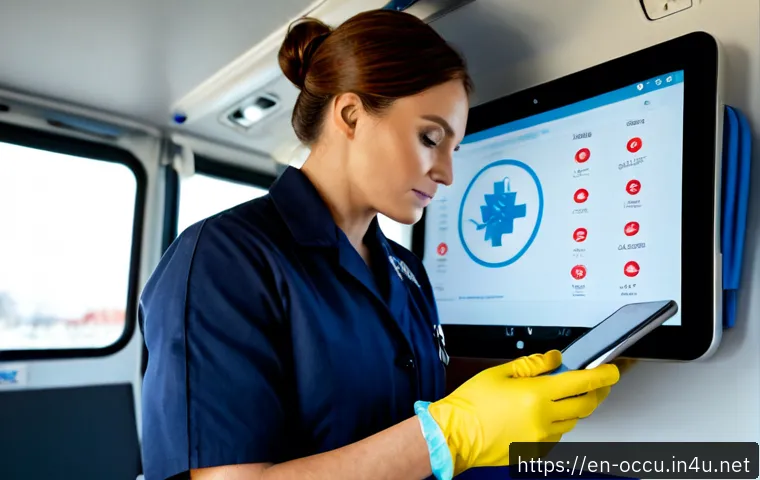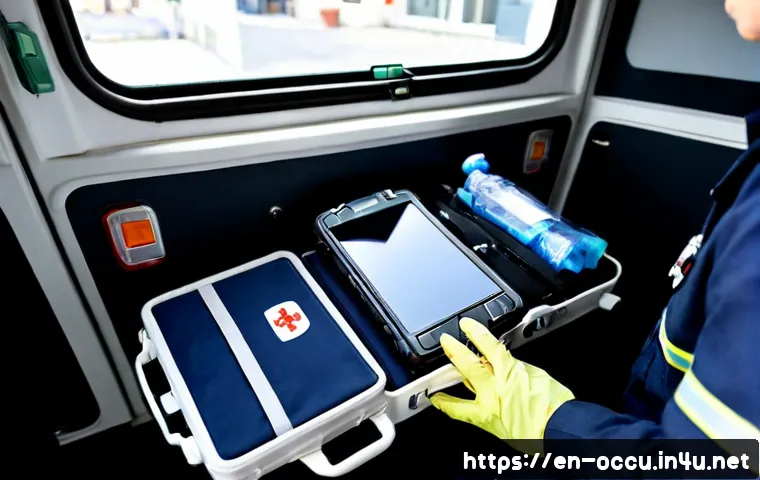
Modern EMS technology is most valuable when it solves a clearly documented field problem, such as delayed handoff documentation, limited airway visibility, or unreliable communication during transport.
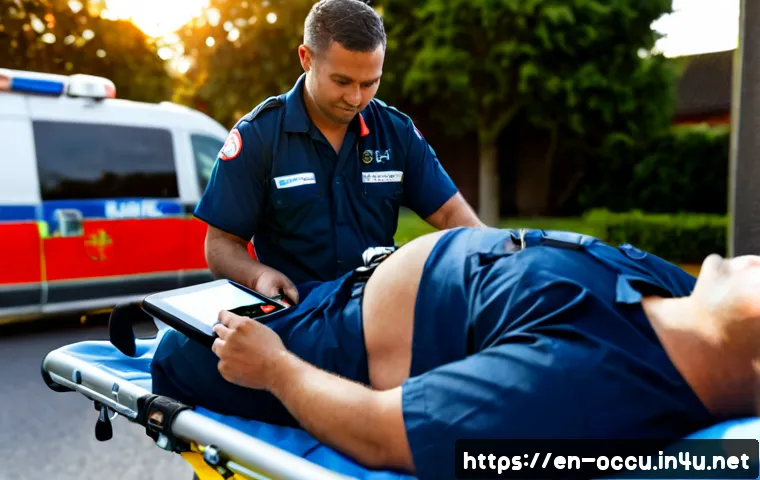
The best purchase is rarely the device with the longest feature list; it is the one that fits clinical protocols, crew training, vehicle systems, and maintenance capacity.
For many agencies, the first comparison should focus on assessment, airway management, resuscitation, communication, or documentation needs. A structured review also helps procurement teams compare vendor quotes beyond the initial equipment price.
Training requirements, software licensing, consumables, battery planning, and service coverage can all shape real operational value. No device replaces clinical judgment, local medical direction, or a reliable backup plan.
The practical goal is a safer, more consistent workflow for crews and patients.
At a Glance
- Assessment: Portable monitors and connected vital-sign workflows can support field assessment when the configuration matches the service’s patient mix and transport model.
- Airway and resuscitation: Video laryngoscopes and mechanical CPR devices can support selected operations, but training, protocols, and backup plans remain essential.
- Communication and documentation: Telemedicine and ePCR systems can improve coordination when connectivity, privacy controls, and system integration are reliable.
| Technology Category | Training Burden | Recurring Cost Considerations | Integration Need | Best-Fit EMS Environment |
|---|---|---|---|---|
| ePCR and documentation tools | Workflow training for all users | Software licenses, updates, support | Local EMS, hospital, and dispatch workflows | Services seeking clearer handoffs and documentation consistency |
| Portable monitors | Device operation and clinical interpretation | Preventive maintenance, accessories, batteries | Ambulance power, documentation workflow | Transport teams with varied patient assessment needs |
| Video laryngoscopes | High; requires protocol-based practice and backup planning | Accessories, cleaning, maintenance | Airway protocols and crew competency processes | Agencies with defined advanced airway workflows |
| Telemedicine systems | Clinical and communications workflow training | Connectivity, software, service support | Network coverage, privacy controls, clinical governance | Remote support, rural response, complex consultation needs |
What Modern EMS Technology Can Improve—and What It Cannot Replace
The fastest answer: match technology to a documented field problem
Start with the problem, not the catalog. If crews lose time repeating patient details at handoff, an ePCR workflow and compatible data-sharing process may deserve priority. If an agency has recurring operational challenges during transport, monitoring configuration, communication tools, or a mechanical CPR device may be worth reviewing for selected scenarios.
A useful purchase request should state the existing workflow gap, the users involved, the vehicle or operational setting, and the expected readiness requirements. This keeps feature-driven purchasing from turning into unused equipment stored in a cabinet or ambulance compartment.
Clinical judgment, protocols, and training remain the foundation
Technology can support a clinician’s work, but it cannot replace clinical judgment, medical direction, protocols, or competency verification. A video laryngoscope provides an indirect airway view, for example, but successful use still depends on trained clinicians and a backup airway plan. The same principle applies to ultrasound, telemedicine, and connected monitoring.
Before deployment, confirm what is permitted under local scope of practice, credentialing requirements, and agency protocols. A device may be technically capable of more than a particular service is authorized or prepared to use.
A quick map of assessment, treatment, communication, and documentation tools
Portable monitors can combine ECG, pulse oximetry, capnography, blood pressure, and other measurements. The right configuration depends on the patients served and the transport model. ePCR systems can improve documentation workflows and may support data sharing when they integrate with local EMS and hospital systems.
For treatment-focused tools, video laryngoscopy, portable ultrasound, and mechanical CPR each have different operational roles. Telemedicine sits between care and coordination by connecting field clinicians with remote medical support, provided connectivity, privacy, and governance are in place.
Comparing High-Impact Tools for Field Assessment and Patient Care
Portable monitors, capnography, and connected vital-sign workflows
A monitor should be evaluated as part of a complete workflow, not as a list of available parameters. Ask whether the device fits the patient population, transport duration, ambulance power setup, infection-control process, and documentation routine. Battery resilience matters as much as the display or connectivity feature.
Procurement teams should also review accessory availability, preventive maintenance requirements, replacement coverage, and how measurements move into the ePCR record. A connected device that creates duplicate charting can add workload instead of reducing it.
Video laryngoscopy and airway-readiness considerations
Video laryngoscopes can provide an indirect view of the airway. Their value depends on a service having trained users, defined protocols, cleaning procedures, equipment checks, and a clear backup airway plan. The device is not a substitute for fundamental airway management skills.
When comparing equipment quotes, look beyond the main unit. Review accessories, consumables where applicable, storage needs, maintenance support, and training options. Confirm that the service can sustain practice and competency verification after the initial rollout.
Portable ultrasound: potential use cases and implementation limits
Point-of-care ultrasound is increasingly used in prehospital and emergency settings. However, scope of practice and credentialing vary by service and jurisdiction. A purchase decision should therefore begin with medical-director input, a clinical governance plan, and a defined documentation process.
For a team considering portable ultrasound, ask a practical question: will the information obtained change a permitted field decision or improve communication with receiving clinicians? If the answer is unclear, the device may add training and maintenance demands without solving a current workflow problem.
Mechanical CPR systems and transport-focused decision factors
Mechanical CPR devices are designed to deliver consistent chest compressions during selected transport or operational scenarios. They do not replace high-quality resuscitation protocols, team coordination, or clinical judgment. Their value should be reviewed against the agency’s actual transport and scene conditions.
Include storage, mounting, vehicle access, battery charging, cleaning, crew drills, and replacement planning in the evaluation. A device that cannot be deployed smoothly in the agency’s working environment may not provide the expected operational benefit.
Cost, Integration, and Total Value Before Purchasing
Upfront equipment costs versus recurring software, consumables, and service plans
The purchase price is only one part of total ownership cost. Agencies should compare equipment, accessories, consumables, software licenses, service contracts, staff training, preventive maintenance, and replacement planning. Exact costs vary by vendor and region, so a quote comparison should separate one-time and recurring items clearly.
Ask vendors to identify what is included in the initial package and what requires an ongoing agreement. This helps prevent a low initial quote from obscuring future operating requirements.
Compatibility with ambulances, ePCR, dispatch, and hospital handoff workflows
Compatibility should be tested rather than assumed. Confirm whether a device can work with the ambulance power setup, existing ePCR platform, dispatch process, hospital network, and local data-sharing workflow. A technical demonstration is useful, but a real workflow review is more valuable.
For connected equipment, include offline use. Crews need to know what happens if a signal drops, a platform is unavailable, or data cannot be transmitted during transport.
Training time, competency verification, and replacement coverage
A new device changes more than the equipment list. It may change training schedules, quality assurance processes, cleaning responsibilities, and supervisor oversight. Build competency verification into the implementation plan rather than treating initial instruction as the end of training.
Also review repair turnaround, loaner options, replacement coverage, and the agency’s ability to keep equipment available while units are being serviced.

When leasing, service contracts, or vendor quotes may be worth comparing
Leasing, service plans, and different purchasing models can be worth comparing when an agency needs predictable maintenance support, software continuity, or phased deployment. The best arrangement depends on operational needs and procurement rules, not on a single advertised device price.
Request a line-by-line vendor quote that identifies equipment, accessories, training, software, maintenance, and expected replacement items.
Deployment Risks That Can Undercut New Technology
Connectivity gaps, battery failures, and offline contingency plans
Telemedicine and connected documentation tools depend on reliable connectivity. Field teams should have an offline contingency plan for areas with weak coverage, device failure, or interrupted data transmission. Battery management should include routine charging checks, spare-power planning, and clear accountability.
Infection prevention, calibration, maintenance, and device tracking
Connected EMS equipment is only ready when it is clean, charged, maintained, and located. Build infection-control procedures, preventive maintenance, software updates, calibration needs, and device tracking into everyday operations. These routine details often determine whether technology performs when crews need it.
Privacy, cybersecurity, and patient-data handling for connected devices
Telemedicine, ePCR, and connected monitors require careful patient-data handling. Review privacy controls, user access, device security, update processes, and local clinical governance before deployment. Do not assume that a connection to one system automatically permits sharing with another.
Avoiding feature-driven purchases without protocol support
A feature has limited value if it is not supported by protocols, training, documentation, and quality review. Before approving a purchase, identify the operational decision the tool will support and the person responsible for maintaining readiness. If neither is clear, consider a smaller pilot first.
Choosing Technology by EMS Environment
High-volume urban services and rapid hospital handoffs
High-volume services may prioritize fast documentation, consistent monitoring workflows, and smooth hospital handoffs. ePCR integration and reliable equipment turnover processes can be especially important where crews move quickly from one call to the next.
Rural, remote, and interfacility transport teams
Rural and remote teams may place greater emphasis on connectivity limits, battery endurance, remote medical support, and extended transport workflows. Telemedicine can be useful when field clinicians need remote support, but reliability still depends on coverage, privacy controls, and local governance.
Fire-rescue, event medicine, and volunteer-response organizations
These organizations may need durable equipment, simple readiness checks, clear storage procedures, and training that fits variable staffing patterns. A smaller, well-supported tool set can be more practical than a broad technology purchase with limited ongoing use.
Piloting one workflow before fleet-wide deployment
A pilot can reveal integration gaps before a fleet-wide commitment. Choose one documented workflow, define the participating crews, establish training and maintenance responsibilities, and review what worked operationally. Piloting does not guarantee a clinical outcome, but it can help expose practical deployment issues.
Selection Criteria and Comparison Summary
Use these questions before making a final EMS equipment purchasing decision:
- What documented field problem does this device solve?
- Is it permitted by local protocols, medical direction, and credentialing requirements?
- Will it work with ambulance power, ePCR, dispatch, and hospital handoff workflows?
- What are the training, maintenance, software, accessory, and replacement requirements?
- Can the agency support cleaning, charging, updates, privacy controls, and offline use?
Compare total ownership cost, not device price alone. Request a compatibility review before comparing quotes, especially when equipment must connect with ePCR, dispatch, hospital, or ambulance systems. For product specifications, service conditions, and available support options, check the relevant official vendor page before purchase.
In Closing
Modern EMS technology can strengthen assessment, communication, documentation, and selected treatment workflows. Its value depends on fit: fit with the call environment, fit with crew training, and fit with local clinical governance. A reliable device program includes maintenance, infection control, battery planning, updates, and clear contingency procedures. The strongest purchasing decision is one that improves a real workflow without creating an unsupported new burden.
Useful Information to Keep in Mind
1. Include frontline clinicians in device evaluations because they understand field workflow barriers.
2. Treat connectivity and battery planning as core readiness requirements, not optional technical details.
3. Keep a backup process for documentation, communication, and essential clinical tasks.
4. Review service contracts and maintenance responsibilities before equipment enters active use.
Important Considerations
No single EMS technology is proven to improve outcomes in every system or clinical scenario. Exact prices, subscription fees, consumable costs, maintenance charges, permissions, and compatibility vary by vendor, region, local protocol, and existing infrastructure. Confirm clinical authorization, technical compatibility, privacy requirements, and procurement conditions with the appropriate local stakeholders before adoption.
Frequently Asked Questions
Q1. What EMS technology should an ambulance service prioritize first?
A1. Prioritize the technology that addresses the clearest documented operational problem. For one service, that may be ePCR and handoff workflow; for another, it may be monitoring readiness, communication reliability, or airway equipment. Review protocol fit, training needs, integration, and total ownership cost before deciding.
Q2. Are video laryngoscopes and portable ultrasound worth the cost for smaller EMS agencies?
A2. They may be worth evaluating when the agency has approved protocols, qualified users, sustainable training, maintenance capacity, and a defined clinical workflow. Video laryngoscopy still requires backup airway planning, while ultrasound use depends on local scope of practice and credentialing.
Q3. How should a rescue organization compare EMS equipment quotes safely?
A3. Compare the full package, not only the device price. Separate initial equipment, accessories, consumables, software licenses, training, preventive maintenance, service contracts, replacement coverage, and integration requirements. Request a compatibility review for ambulance power, ePCR, dispatch, hospital handoff, and connectivity workflows before selecting a vendor.