Emergency medical responders play a critical role in saving lives during urgent situations. Their ability to act quickly and efficiently can make all the difference in patient outcomes.

However, beyond the hands-on care, accurate and detailed incident reporting is just as vital. A well-crafted dispatch report not only ensures seamless communication among healthcare teams but also supports legal and administrative processes.
Understanding how to write these reports effectively is an essential skill for every EMS professional. Let’s dive deeper into the best practices and key elements of emergency response documentation!
Mastering Clear Communication in Emergency Documentation
Prioritizing Conciseness Without Losing Critical Details
When you’re in the heat of an emergency, it’s tempting to jot down every single thing you see or do. But the truth is, a dispatch report thrives on clarity and brevity.
You want to include all relevant patient information, interventions performed, and environmental factors—without drowning the reader in unnecessary detail.
For example, instead of saying “the patient was breathing very fast and looked quite scared,” write “tachypnea observed; patient anxious.” This approach keeps the report professional and digestible for other healthcare providers who rely on swift, accurate information.
I’ve found that practicing this balance improves not only report quality but also team communication during critical handoffs.
Using Standardized Terminology and Abbreviations
Standardization is key to making sure everyone understands your reports the same way. EMS professionals should stick to widely accepted medical terms and abbreviations to avoid confusion.
For instance, instead of writing “heart stopped,” use “cardiac arrest.” While abbreviations like “BP” for blood pressure or “O2” for oxygen saturation are common, be cautious not to overuse them or invent new ones on the fly.
In my experience, sticking to the industry-standard lexicon ensures that doctors, nurses, and even legal teams can interpret the report quickly and accurately without second-guessing.
Maintaining Objectivity and Avoiding Personal Opinions
One pitfall I’ve seen, especially among newer responders, is slipping into subjective language or personal opinions within reports. Statements like “the patient seemed uncooperative” or “I think the scene was unsafe” can come across as biased and may complicate legal or administrative reviews later on.
Instead, focus on observable facts: “patient declined treatment after multiple offers” or “scene secured by law enforcement prior to patient contact.” This objective stance builds trust in your documentation and shields you from potential disputes.
Structuring Incident Reports for Maximum Impact
Chronological Flow: Telling the Patient’s Story
Think of your report as telling a story, but one that’s tightly structured and chronological. Start with the dispatch information—time, location, and nature of the call—then move through your arrival, assessment, interventions, and handoff details.
This logical sequence helps everyone understand the progression of events and clinical decisions. Personally, I always make it a habit to review the timeline after writing to ensure nothing important is out of place or missing.
Highlighting Critical Interventions and Patient Response
Detailing what you did and how the patient responded is often the heart of the report. Include specifics like medication administered, vital signs before and after treatment, and any changes in patient status.
From my hands-on experience, noting these details precisely can make a huge difference in ongoing care and legal documentation. For example, rather than “gave oxygen,” write “administered 15 L/min via non-rebreather mask; SpO2 improved from 88% to 95%.”
Incorporating Environmental and Scene Details
Beyond patient care, the environment can heavily influence both treatment and outcome. Document factors such as lighting, weather conditions, hazards present, and bystander involvement.
I’ve seen situations where these details helped clarify delays or challenges faced during response, which proved crucial in after-action reviews or legal cases.
Common Pitfalls to Avoid in Emergency Reports
Overlooking Patient Identification and Consent Information
It might seem routine, but missing accurate patient ID or consent details can cause major headaches later. Always confirm and document patient name, age, and any legal consent or refusal for treatment.
From my experience, double-checking this info right at the scene or during transport saves valuable time and prevents errors in hospital records.
Neglecting to Record Times and Intervals Precisely
Time stamps are the backbone of any EMS report, yet they’re often rushed or forgotten. Record exact times for dispatch, arrival, assessment, interventions, and departure.
These data points not only support medical decisions but also help evaluate response efficiency. I keep a small watch or use a phone timer dedicated solely to tracking these intervals during calls.
Failing to Proofread and Correct Errors
Even the best responders can make typos or slip in incorrect information when documenting under stress. Taking a few minutes after completing the report to proofread can catch mistakes that might otherwise cause confusion or legal issues.
I personally read my reports aloud to spot awkward phrasing or inconsistencies, which helps improve overall accuracy and professionalism.
Enhancing Reports with Technology and Tools
Using Digital Reporting Systems Efficiently
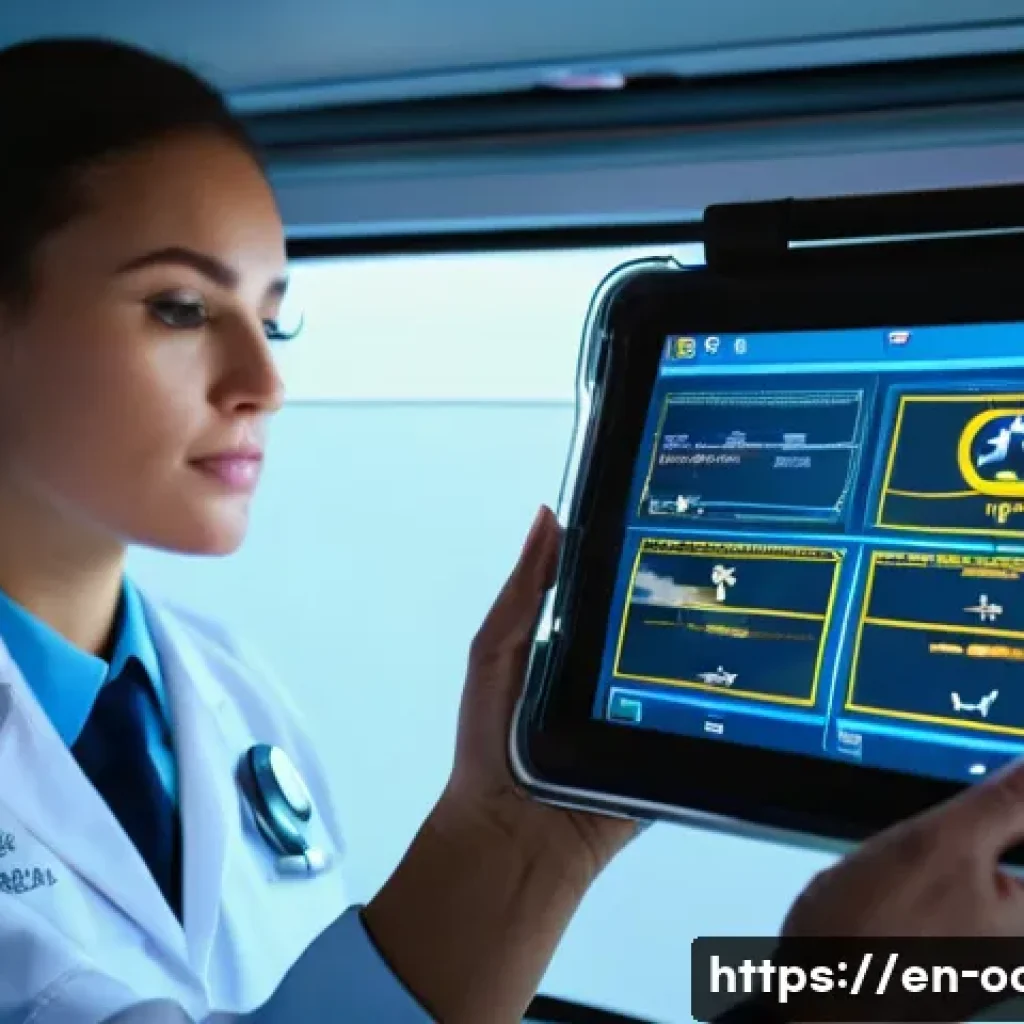
Many EMS agencies now use electronic patient care reporting (ePCR) systems that streamline documentation and data sharing. Learning to navigate these tools effectively can save time and reduce errors.
In my experience, becoming proficient with dropdown menus, voice-to-text features, and auto-populated fields lets me focus more on patient care and less on paperwork.
Incorporating Photos and Multimedia When Appropriate
Some situations benefit from attaching photos or videos—like documenting injuries, scene hazards, or equipment placement. When allowed by policy and privacy laws, including multimedia can provide valuable context that written words alone can’t capture.
I always ensure patient confidentiality and secure storage when handling such files.
Leveraging Templates to Maintain Consistency
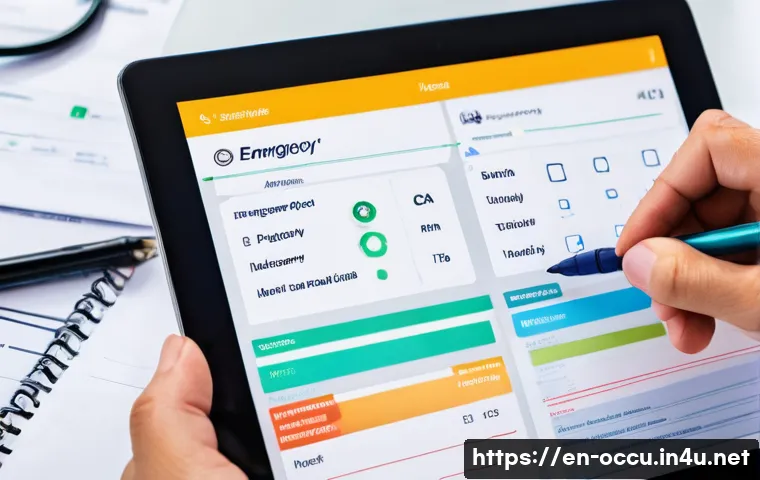
Templates help ensure that no critical information is missed and reports maintain a uniform structure across your team. I’ve found customizing templates to fit your agency’s needs while keeping flexibility for unique cases works best.
This balance between standardization and adaptability improves report quality and eases training new responders.
Key Components to Include for Legal and Clinical Integrity
Detailed Patient Assessment and History
Thorough documentation of initial patient assessment—mental status, airway, breathing, circulation—and relevant history like allergies or medications lays the foundation for good clinical care.
When I take extra time to get a clear picture here, it supports better treatment decisions downstream.
Clear Documentation of Treatment Provided
Every intervention, from basic airway management to advanced life support, should be logged with specifics including dosages, equipment used, and patient response.
This level of detail protects you legally and helps receiving providers understand what’s been done.
Accurate Recording of Patient Hand-Off and Destination
The transfer of care is a critical moment. Note who you handed the patient off to, their role, and any instructions given. Also, record the receiving facility and time of arrival.
I always confirm this info verbally with hospital staff to avoid miscommunication.
Table: Essential Elements of an Effective EMS Dispatch Report
| Element | Description | Why It Matters |
|---|---|---|
| Patient Identification | Full name, age, gender, and contact info | Ensures accurate tracking and continuity of care |
| Incident Details | Time, location, nature of emergency | Provides context and aids in response evaluation |
| Assessment Findings | Vital signs, physical exam results, patient complaints | Forms clinical baseline for treatment decisions |
| Treatment Provided | Medications, procedures, equipment used | Documents care given and patient response |
| Environmental Factors | Scene conditions, hazards, bystander involvement | Explains challenges and influences on care |
| Times and Intervals | Dispatch, arrival, treatment start/end, handoff | Supports quality assurance and legal accountability |
| Patient Handoff Details | Receiving personnel, facility, instructions | Ensures smooth transition and ongoing care |
Improving Report Writing Skills Through Practice and Feedback
Regular Review and Peer Feedback
One of the best ways to sharpen your report writing is to routinely review your past reports and get constructive feedback from colleagues or supervisors.
I’ve benefited immensely from this practice, as it highlights common mistakes and areas for improvement that you might not notice on your own.
Simulated Scenarios for Real-Time Documentation
Participating in simulated emergency drills where you write reports immediately after the scenario can help build your ability to document accurately under pressure.
This training mimics real-life conditions and helps you develop muscle memory for key reporting elements.
Continuing Education on Documentation Standards
EMS documentation standards evolve with new guidelines and technology. Keeping up with the latest best practices through workshops, webinars, or certification courses ensures your reports remain compliant and high-quality.
From my experience, staying educated also boosts confidence and professionalism in your role.
In Conclusion
Clear and concise communication in emergency documentation is essential for effective patient care and legal protection. By focusing on standardized language, objective facts, and structured reporting, responders can deliver accurate and actionable information. Continuous practice and embracing technological tools further enhance the quality and reliability of reports. Ultimately, mastering these skills improves teamwork and patient outcomes in critical situations.
Useful Information to Keep in Mind
1. Always verify patient identification and consent to avoid errors in medical records and treatment delays.
2. Use precise timestamps for all stages of the emergency response to support medical and legal review.
3. Maintain professionalism by avoiding subjective language and focusing on observable facts.
4. Leverage digital reporting tools and templates to streamline documentation and ensure consistency.
5. Seek regular feedback and participate in simulations to sharpen your report-writing skills under pressure.
Essential Takeaways for Effective Emergency Reports
Accurate emergency documentation hinges on balancing thoroughness with brevity, using clear, standardized terminology, and maintaining an objective tone. Structuring reports chronologically and highlighting critical interventions ensures clarity and continuity of care. Attention to environmental details, precise time recording, and thorough proofreading protect against errors and misunderstandings. Embracing technology and continuous education fosters consistent, high-quality reporting that benefits patients, providers, and legal processes alike.
Frequently Asked Questions (FAQ) 📖
Q: Why is accurate incident reporting important for emergency medical responders?
A: Accurate incident reporting is crucial because it ensures clear communication among the entire healthcare team, which can directly impact patient care and outcomes.
Detailed reports provide a comprehensive record of the patient’s condition, treatments administered, and timelines, which are essential for ongoing medical evaluation.
Additionally, precise documentation supports legal accountability and can protect responders in case of disputes or investigations. From my experience, when reports are thorough and well-organized, they make transitions between emergency teams and hospital staff much smoother, ultimately benefiting the patient.
Q: What are the key elements that should be included in an emergency medical dispatch report?
A: A well-crafted dispatch report should include several critical components: the exact time of dispatch and arrival, patient’s vital signs, symptoms, medical history if available, treatments provided on scene, and the patient’s response to those treatments.
It’s also important to note the scene conditions and any hazards present, as these details can affect care decisions. Personally, I’ve found that including clear, concise narratives about the patient’s state and any changes during transport helps other medical personnel prepare for immediate interventions upon arrival.
Q: How can EMS professionals improve their incident reporting skills?
A: Improving incident reporting skills comes down to practice, attention to detail, and understanding the purpose behind the documentation. I recommend reviewing sample reports and getting feedback from supervisors to identify areas for clarity and completeness.
Using standardized forms and checklists can also help ensure no critical information is missed. Moreover, taking time immediately after the call to jot down notes while the event is fresh makes a huge difference in accuracy.
Over time, this habit becomes second nature and can significantly enhance the quality of reports.