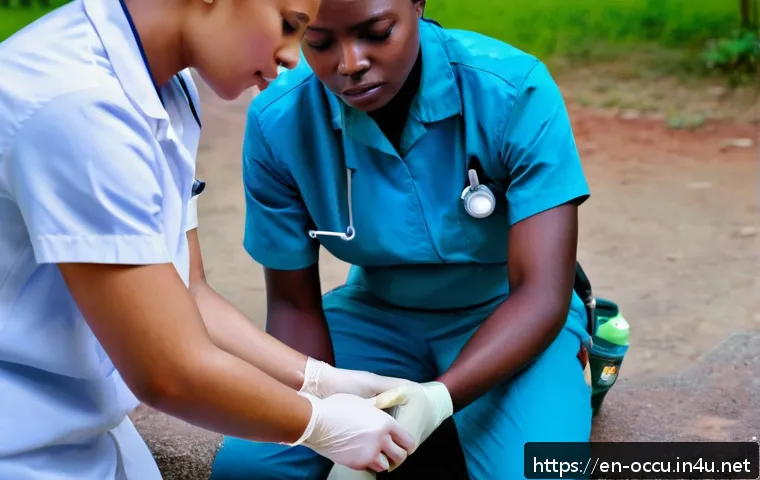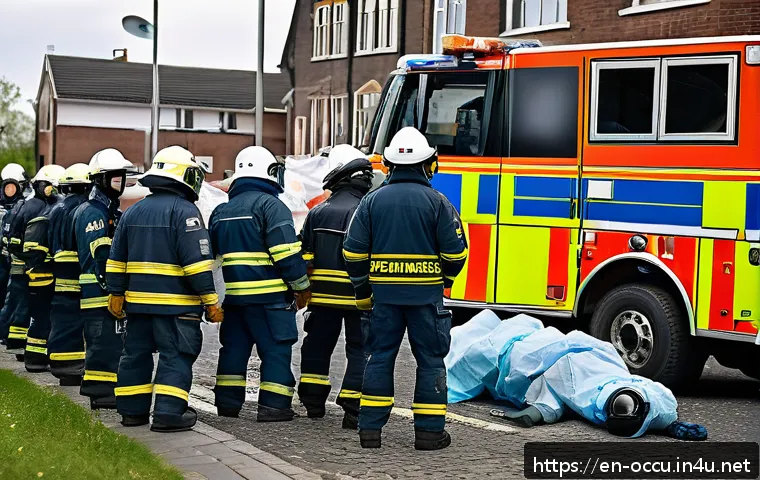
In an era where natural disasters and large-scale emergencies are becoming increasingly frequent, the ability to respond effectively to mass casualty incidents is more critical than ever.
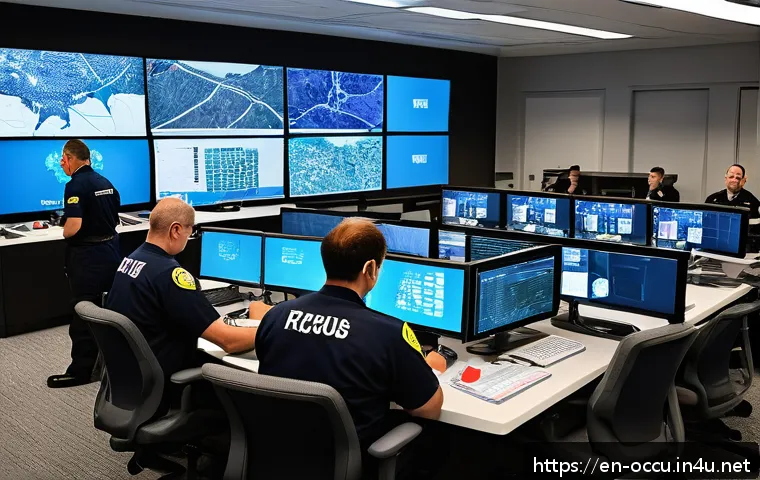
Every emergency responder must be equipped with essential skills that not only save lives but also maintain order amidst chaos. Whether you’re a seasoned professional or new to the field, understanding the latest strategies and protocols can make all the difference.
Join me as we explore key techniques and insights that can transform response efforts and improve outcomes when every second counts. This guide is designed to empower you with practical knowledge drawn from real-world experiences and cutting-edge developments in emergency management.
Optimizing Scene Assessment for Swift Action
Recognizing Hazards Before Entry
Before rushing into any chaotic scene, it’s crucial to take a moment and identify potential dangers that might jeopardize your safety or that of your team.
From unstable structures to hazardous materials, the environment in mass casualty incidents can shift unpredictably. Personally, I’ve learned that spending those extra seconds scanning for threats like downed power lines or gas leaks can prevent responders from becoming victims themselves.
It’s not just about speed—it’s about smart speed, balancing urgency with caution. Tools like portable gas detectors or thermal imaging cameras can be game-changers, allowing you to spot invisible dangers quickly.
Training regularly on hazard recognition sharpens this instinct, making it almost second nature when the pressure is on.
Prioritizing Victims Through Rapid Triage
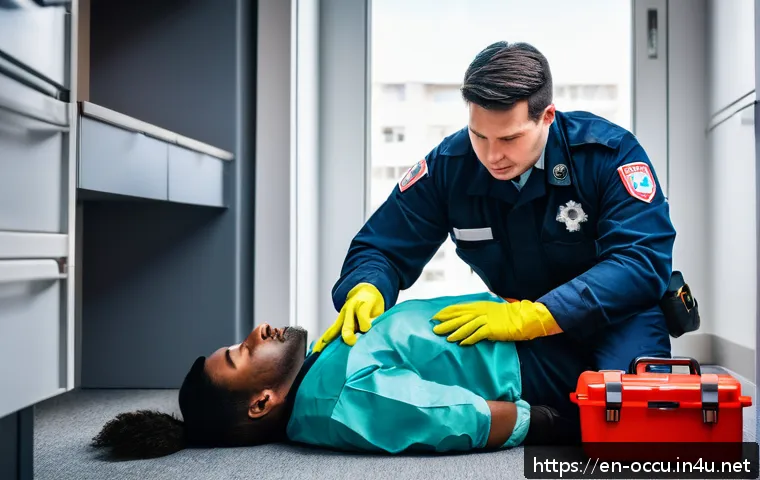
Triage is the backbone of mass casualty response, and mastering it can dramatically improve survival rates. The challenge lies in making quick yet accurate judgments about who needs immediate care and who can wait.
In my experience, the START (Simple Triage and Rapid Treatment) method is a practical approach, especially in chaotic settings. It helps categorize patients based on their respiratory status, perfusion, and mental status within seconds.
However, I’ve also seen the importance of flexibility—sometimes adapting triage criteria to the specific situation or available resources can save more lives.
For example, during a multi-vehicle accident I responded to, adjusting triage tags helped prioritize victims with internal bleeding over those with minor fractures, ultimately streamlining transport to hospitals.
Effective Communication Under Pressure
Clear and concise communication is the glue that holds the response effort together, especially when multiple agencies converge. From dispatch to on-scene coordination, the ability to relay information accurately and promptly can prevent duplication of efforts and ensure resources reach where they’re needed most.
Personally, using standardized communication protocols like SBAR (Situation, Background, Assessment, Recommendation) has improved the clarity of my reports under stress.
Additionally, establishing a single point of contact for each team helps minimize confusion. I recall a scenario where poor communication led to delays in evacuating critical patients—since then, I always advocate for pre-established communication channels and backup plans.
Mastering Resource Allocation Amidst Scarcity
Balancing Equipment and Personnel Deployment
When resources are stretched thin, deciding how to allocate equipment and staff becomes a strategic puzzle. In high-stakes environments, I’ve found that real-time assessment of resource utilization is key.
For instance, assigning advanced life support units to the most critical patients while dispatching basic life support teams to less severe cases can maximize overall effectiveness.
Regular drills simulating resource shortages have helped me and my team develop instincts for these decisions. Moreover, cross-training team members in multiple roles has proven invaluable—it allows for flexible deployment when unexpected shortages occur.
Leveraging Technology for Efficient Logistics
Technology can be a responder’s best friend in managing resources during mass casualty events. Digital platforms that track ambulance locations, hospital bed availability, and supply inventories in real time can drastically improve decision-making speed.
From personal experience, integrating mobile apps into our command system has reduced delays by providing instant updates and enabling rapid reallocation of assets.
However, technology is only as good as the training behind it—ensuring every team member is comfortable with these tools before an emergency is crucial.
I’ve seen how a single missed update can cascade into logistical nightmares, so redundancy in communication methods remains essential.
Coordinating with External Partners
Large-scale emergencies often demand collaboration beyond your immediate team. Building strong relationships with fire departments, law enforcement, public health agencies, and local government ahead of time pays dividends when disaster strikes.
I’ve participated in multi-agency exercises that highlight how seamless coordination can expedite victim care and streamline scene management. It’s vital to understand each partner’s capabilities and limitations to avoid overlap or gaps.
Establishing clear roles, joint communication protocols, and shared resource lists before incidents occur can prevent confusion and foster trust during the real deal.
Enhancing Psychological Preparedness and Resilience
Managing Stress in High-Pressure Situations
No matter how skilled you are, mass casualty incidents impose a heavy psychological toll. Over the years, I’ve realized that acknowledging stress and actively managing it is just as important as technical expertise.
Simple techniques like controlled breathing, mental visualization, or brief peer check-ins can help maintain composure when adrenaline peaks. Recognizing signs of burnout or secondary trauma within yourself and colleagues early enables timely intervention.
Cultivating a culture where mental health is openly discussed and supported is vital—nobody should feel they have to “tough it out” alone.
Building Team Cohesion and Trust
Trust among team members is a crucial buffer against the chaos of emergencies. I’ve seen teams that train together regularly perform with remarkable synchronicity, anticipating each other’s moves and communicating almost instinctively.
This cohesion reduces errors and speeds up response times. Encouraging open dialogue, debriefing after incidents, and celebrating successes build morale and reinforce bonds.
When everyone feels valued and trusted, they’re more likely to step up and support each other under pressure.
Preparing for Long-Term Recovery Challenges
While the immediate response is critical, the aftermath can be equally challenging. I’ve noticed that responders who prepare mentally for the long haul—recognizing that recovery efforts might stretch over weeks or months—fare better emotionally and physically.
This includes understanding the potential for chronic stress, engaging in ongoing training, and accessing peer support networks. Preparing families and communities for the recovery phase also helps create realistic expectations and supports holistic healing.
Integrating Incident Command Systems for Seamless Control
Understanding Command Structure Roles
A well-organized command system is the backbone of any successful mass casualty response. Knowing who’s in charge, and what their responsibilities are, prevents confusion and duplication of effort.
From my experience, the Incident Command System (ICS) offers a clear hierarchy that’s adaptable to incidents of any size. Familiarity with roles such as Incident Commander, Operations Section Chief, and Logistics Section Chief enables rapid mobilization.
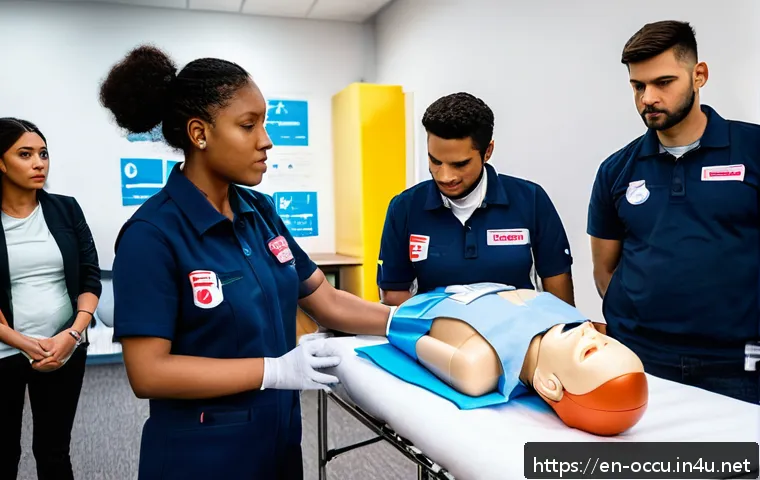
Regular drills that rotate these roles help responders gain confidence and versatility.
Implementing Unified Command Across Agencies
When multiple agencies respond, unified command ensures decisions are coordinated and resources are shared efficiently. I recall a large-scale event where fire, EMS, and law enforcement initially operated independently, which caused delays and conflicting priorities.
Switching to a unified command structure brought everyone onto the same page, streamlining communication and joint strategy development. It’s essential to establish this structure early and maintain flexibility as the situation evolves.
Using Documentation and Reporting Tools
Accurate documentation during incidents supports accountability, resource tracking, and post-event analysis. I’ve found that using digital reporting tools integrated into the ICS framework helps maintain real-time logs and injury reports, which are invaluable for both operational decisions and legal purposes.
Training teams on these tools before emergencies ensures data accuracy and minimizes time spent on paperwork during the event.
Adopting Advanced Life-Saving Techniques in the Field
Utilizing Hemorrhage Control Innovations
Uncontrolled bleeding remains a leading cause of preventable death in trauma. Over the years, I’ve seen how innovations like hemostatic dressings, tourniquets, and junctional devices have revolutionized field care.
Learning proper application and understanding when each device is appropriate can make the difference between life and death. I vividly remember a case where rapid tourniquet application stopped massive hemorrhage, stabilizing the patient long enough for transport.
Continuous hands-on training with these tools builds muscle memory that proves critical in high-stress moments.
Performing Advanced Airway Management
Securing the airway is a fundamental yet challenging task in mass casualty settings. I’ve gained confidence through extensive practice with devices such as supraglottic airways and video laryngoscopes, which can simplify intubation under difficult conditions.
Knowing when to escalate airway management and how to troubleshoot common complications improves patient outcomes. Simulation training helps maintain skills and prepare for the unexpected.
Administering Prehospital Medications Safely
Medications like analgesics, vasopressors, and anticoagulants can be lifesaving but require precise knowledge and caution. From my field experience, protocols should be strictly followed, and responders must be trained to recognize contraindications and potential side effects.
Clear documentation and communication with receiving facilities ensure continuity of care. Staying updated on the latest pharmacological guidelines is a responsibility every emergency responder should embrace.
Strengthening Community Preparedness and Engagement
Educating the Public on Basic First Aid
Empowering community members with basic first aid knowledge expands the immediate response network and can save precious minutes before professional help arrives.
I’ve participated in public workshops teaching CPR, bleeding control, and emergency calling procedures, and the confidence it instills in participants is palpable.
Encouraging widespread training programs and distributing easy-to-understand materials builds community resilience and supports responders in large-scale incidents.
Developing Neighborhood Response Teams
Organizing local volunteers into trained response groups enhances the initial reaction capability during disasters. I’ve seen how these teams act as force multipliers, providing critical support in the crucial moments before official responders arrive.
Regular training, clear communication channels, and integration with formal emergency services are key to their success. Their presence also fosters a sense of shared responsibility and preparedness within neighborhoods.
Leveraging Social Media for Real-Time Updates
Social media platforms have become powerful tools for disseminating information during emergencies. From my observations, timely updates about shelter locations, safety tips, and hazard warnings can reduce panic and misinformation.
However, managing social media requires dedicated personnel to verify content and counteract rumors. Establishing official accounts and encouraging public trust in these channels ensures that accurate information reaches the community quickly.
Essential Skills Overview for Mass Casualty Response
| Skill Category | Key Techniques | Real-World Application |
|---|---|---|
| Scene Assessment | Hazard recognition, rapid triage, communication protocols | Using thermal imaging to detect unseen dangers; adapting triage to patient severity |
| Resource Management | Equipment allocation, technology integration, inter-agency coordination | Deploying ALS teams strategically; tracking ambulance locations via apps |
| Psychological Preparedness | Stress management, team cohesion, long-term recovery planning | Peer support check-ins; debriefing sessions post-incident |
| Command Systems | Incident Command System roles, unified command, documentation | Assigning clear leadership; maintaining real-time logs |
| Life-Saving Techniques | Hemorrhage control, airway management, prehospital medications | Tourniquet application; video laryngoscopy for difficult intubations |
| Community Engagement | Public first aid education, neighborhood teams, social media use | CPR workshops; real-time hazard updates via official channels |
In Conclusion
Effective mass casualty response hinges on thorough preparation, quick yet thoughtful decision-making, and seamless teamwork. By honing skills in hazard recognition, communication, and resource management, responders can save more lives and reduce chaos on the scene. Continuous training and psychological readiness are equally vital to sustain performance under pressure. Ultimately, integrating these elements creates a resilient, adaptive response system capable of meeting any emergency.
Helpful Information to Remember
1. Always prioritize safety first—identifying hazards before entering a scene protects both responders and victims.
2. Rapid triage saves lives by quickly categorizing patients based on severity and available resources.
3. Clear, standardized communication protocols prevent confusion and enhance coordination among agencies.
4. Utilizing technology and cross-training personnel optimizes resource allocation during high-demand situations.
5. Supporting mental health and fostering team trust are essential for sustained effectiveness and recovery.
Key Takeaways
Mastering scene assessment and hazard detection is critical to safe and effective response. Efficient resource management requires flexibility and the smart use of technology. Psychological preparedness ensures responders maintain focus and resilience. Clear command structures and unified communication streamline operations. Finally, community engagement strengthens overall emergency readiness and support networks.
Frequently Asked Questions (FAQ) 📖
Q: What are the most critical skills every emergency responder should master for mass casualty incidents?
A: The core skills include rapid triage to prioritize patients based on severity, effective communication within multi-agency teams, and situational awareness to adapt to constantly changing environments.
Personally, I’ve seen how mastering triage protocols like START (Simple Triage and Rapid Treatment) can drastically improve patient outcomes by ensuring those who need urgent care get it first.
Additionally, strong leadership and stress management skills help maintain order when chaos hits.
Q: How have recent developments in technology improved responses to large-scale emergencies?
A: Advances such as real-time data sharing, drone surveillance, and AI-powered decision support systems have revolutionized emergency response. From my experience attending training exercises, using drones to assess disaster zones speeds up situational analysis, enabling faster deployment of resources.
Mobile apps for first responders also streamline communication and patient tracking, which reduces confusion and duplication of efforts during critical moments.
Q: What are some effective strategies for maintaining responder safety while managing mass casualty scenes?
A: Ensuring safety starts with proper personal protective equipment (PPE) and thorough scene assessment before entering. I’ve witnessed scenarios where a quick hazard evaluation prevented secondary injuries among responders.
Establishing clear zones—hot, warm, and cold—helps control exposure risks. Regular breaks and mental health support are equally important, as the emotional toll can be significant when dealing with traumatic events.
Prioritizing responder well-being ultimately sustains effective long-term operations.