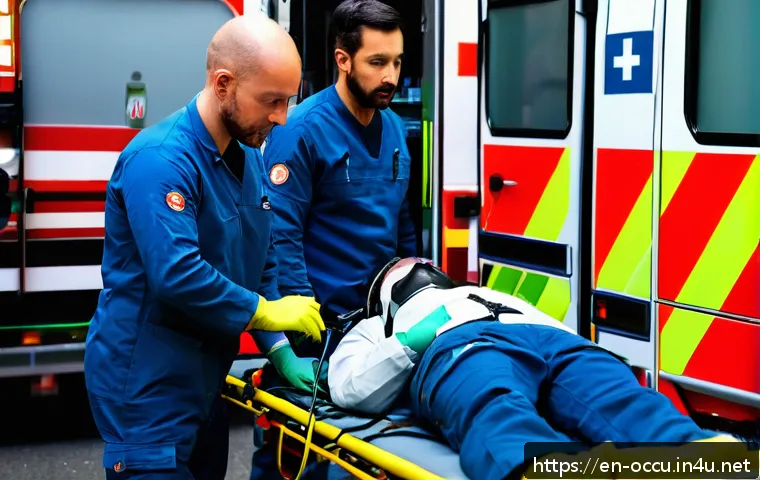
In today’s fast-paced emergency medical services, mastering patient transport evaluations has become more critical than ever. With evolving protocols and increasing demands on first responders, ensuring accurate and efficient assessments during transport can significantly impact patient outcomes.

Whether you’re a seasoned EMT or just starting your journey in EMS, understanding the nuances of transport evaluations is essential for delivering top-notch care.
Let’s dive into key insights that can help you refine your skills and boost confidence when every second counts. Stay with me as we explore practical tips and real-world experiences that make a difference on the field.
Optimizing Initial Patient Assessment During Transport
Prioritizing Vital Signs and Continuous Monitoring
When you first step into the ambulance, the clock starts ticking. One of the most critical components of transport evaluation is getting a clear picture of the patient’s current state through vital signs.
It’s not just about taking a quick pulse or blood pressure reading; it’s about monitoring trends and subtle changes that can indicate deterioration. For example, a slight drop in oxygen saturation or a rising heart rate can signal impending respiratory distress or shock.
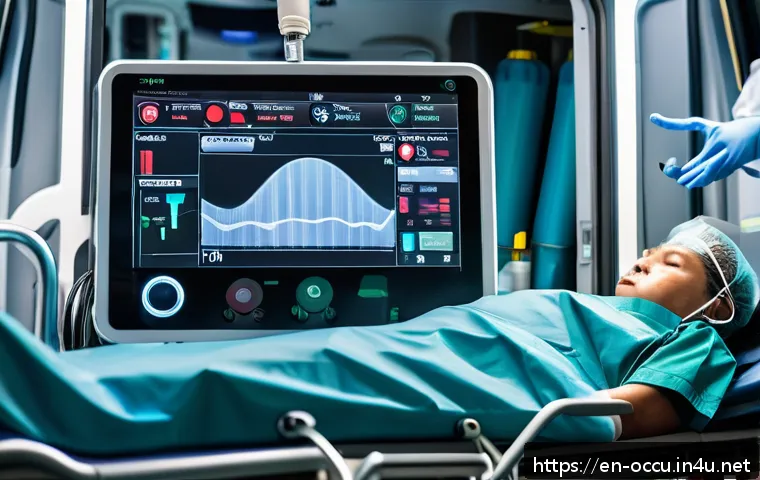
From my experience, consistently documenting these parameters every few minutes and using portable monitors that provide real-time feedback helps prevent surprises.
It’s a dynamic process—your assessment should evolve as the patient’s condition changes, not remain static.
Effective Communication with the Receiving Facility
Transport evaluation isn’t just an internal process; it’s also about ensuring a seamless handoff. I’ve found that giving a concise, focused report to the emergency department or trauma team can make all the difference in patient outcomes.
This means highlighting the patient’s baseline condition, any interventions performed en route, and any changes observed during transport. Using standardized communication tools like SBAR (Situation, Background, Assessment, Recommendation) can structure your report and avoid missing vital details.
Plus, it builds professional trust and ensures the receiving team is prepared to act immediately upon arrival.
Recognizing and Managing Potential Transport Complications
Transport is inherently risky—movement, vibration, and limited access to equipment can all complicate patient care. One of the key skills I’ve honed is anticipating complications before they arise.
For instance, patients with spinal injuries require constant immobilization, and any lapse can worsen outcomes. Similarly, airway management during transport demands vigilance because even a slight obstruction or displacement can lead to hypoxia.
It’s essential to double-check equipment securement and patient positioning frequently. Being proactive rather than reactive, like noticing early signs of shock or respiratory distress, can save precious minutes and lives.
Adapting Assessment Techniques for Diverse Patient Populations
Evaluating Pediatric Patients During Transport
Children are not just small adults; they require a completely different approach to assessment and transport. Their vital signs vary with age, and they often cannot articulate their symptoms clearly.
In my practice, I always emphasize observing behavioral cues such as irritability, lethargy, or inconsolable crying, which can be subtle signs of distress.
Using pediatric-specific equipment, like appropriately sized blood pressure cuffs and airway adjuncts, is essential to accurate assessment. Also, involving parents or caregivers during transport can provide valuable information about the child’s baseline and medical history, which might not be immediately apparent.
Considerations for Geriatric Patients
Older adults often present unique challenges during transport assessments. Comorbidities, polypharmacy, and atypical presentations of illness require a careful and comprehensive approach.
For example, an elderly patient might not exhibit classic signs of a heart attack or infection but may instead present with confusion or weakness. In my experience, taking a thorough history, when possible, and paying close attention to subtle changes in mental status or skin color can be lifesaving.
Additionally, ensuring comfort during transport while maintaining careful monitoring is a balancing act that requires skill and empathy.
Handling Patients with Mental Health or Behavioral Issues
Mental health crises complicate transport evaluations because the patient’s cooperation might be limited. I’ve learned that building rapport quickly and maintaining a calm demeanor helps de-escalate tension.
Assessing for risk of self-harm or harm to others is a priority, and sometimes involving law enforcement or mental health professionals is necessary. Documentation should reflect not only physical assessment but also behavioral observations and interventions used to manage agitation or confusion during transport.
Utilizing Technology and Tools to Enhance Transport Assessment
Portable Monitoring Devices and Their Impact
Technology has dramatically changed how we assess patients en route. Portable monitors capable of tracking ECG, oxygen saturation, blood pressure, and even capnography provide invaluable data in real time.
From my perspective, these tools reduce guesswork and allow for earlier recognition of deterioration. However, technology is only as good as the user; training to interpret data correctly and troubleshoot equipment is crucial.
I recall a situation where a faulty pulse oximeter reading almost led to unnecessary intervention, underscoring the importance of cross-checking clinical signs with device outputs.
Documentation and Electronic Health Records (EHR) Integration
Accurate and timely documentation during transport can be challenging but is essential for continuity of care. Many EMS systems now use tablets or mobile devices to input data directly into electronic health records.
This integration improves information flow between prehospital and hospital providers. However, it requires balancing thoroughness with speed. From my experience, having a checklist or a template for transport assessments helps avoid missing critical data points while speeding up documentation.
Training Simulations and Continuous Education
Hands-on practice through simulation training is invaluable for mastering transport evaluations. Simulations mimic real-life emergencies, allowing EMTs to hone their assessment skills, decision-making, and teamwork under pressure.
I’ve participated in several such trainings, and they always highlight gaps in knowledge or procedural weaknesses that can be addressed before encountering actual patients.
Continuous education keeps us updated on evolving protocols and new technologies, which is critical in a field where every second counts.
Critical Decision-Making Under Pressure
Balancing Speed and Accuracy in Assessment
One of the toughest challenges is conducting thorough assessments without delaying transport. I’ve faced situations where rushing could mean missing critical signs, but lingering too long might delay definitive care.
The key is prioritizing life-threatening conditions and using a rapid trauma or medical assessment framework. Practice and experience build the intuition to know what requires immediate attention and what can wait until arrival at the hospital.
When to Divert or Upgrade Transport Priority
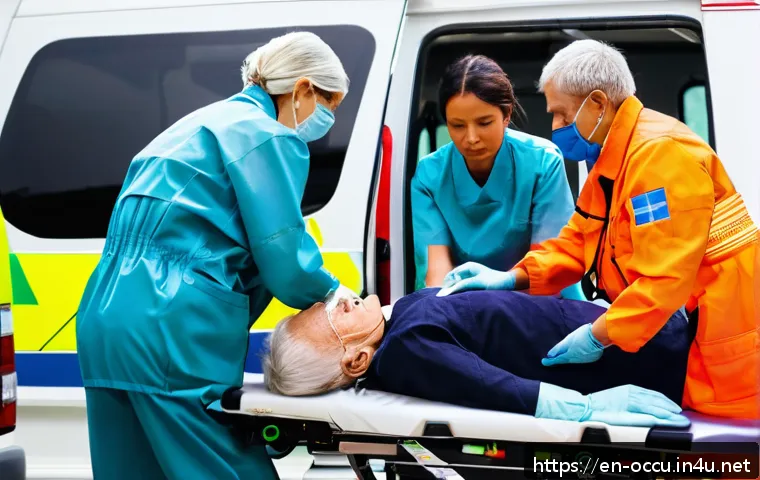
Sometimes, the patient’s condition deteriorates, requiring a shift in transport strategy. For example, upgrading from a standard ambulance to a critical care unit or diverting to a specialized facility like a stroke center can be lifesaving.
Recognizing these moments early is a skill developed through experience and understanding of clinical indicators. I remember a call where quick decision-making to divert to a burn center instead of the nearest hospital prevented complications and improved the patient’s recovery trajectory.
Collaborating with Medical Control and On-Scene Teams
Decision-making during transport often involves medical control physicians and on-scene personnel. Clear communication and collaboration ensure that patient care decisions are well-informed and supported.
I’ve found that fostering good working relationships with dispatch, paramedics, and physicians makes a significant difference in the speed and quality of decisions made during critical moments.
Ensuring Patient Comfort and Safety Throughout Transport
Proper Positioning and Immobilization Techniques
Maintaining patient comfort while ensuring safety is a delicate balance. Proper positioning can prevent complications like pressure sores, aspiration, or worsening injuries.
For example, elevating the head of a patient with respiratory distress or securing spinal immobilization devices properly requires both knowledge and practice.
I’ve learned that regular reassessment of patient positioning during transport helps avoid discomfort and potential harm.
Managing Pain and Anxiety During Transport
Transport can be a stressful experience, especially for patients in pain or distress. Addressing pain promptly and managing anxiety through reassurance, distraction techniques, or medication when authorized can improve overall patient outcomes.
I often use simple communication techniques, like explaining what’s happening and what to expect next, to calm nervous patients. This not only helps the patient but also facilitates easier assessment and intervention.
Infection Control and Equipment Hygiene
With infectious diseases a constant concern, maintaining strict hygiene during transport is essential. This includes proper use of personal protective equipment (PPE), disinfecting equipment between calls, and following protocols for isolation when necessary.
In my experience, consistent adherence to infection control practices protects both patients and providers, especially in high-demand situations where turnover between calls is rapid.
Key Indicators and Their Interpretation During Transport
Understanding Hemodynamic Stability and Instability
Hemodynamic status is a cornerstone of transport evaluation. Recognizing signs of instability—such as hypotension, tachycardia, or altered mental status—guides interventions and urgency of transport.
From direct experience, I’ve noticed that subtle signs like cool extremities or delayed capillary refill often precede more obvious symptoms. Early intervention based on these indicators can prevent full-blown shock.
Respiratory Assessment and Management
Breathing patterns, oxygen saturation, and airway patency are critical areas to monitor. Assessing respiratory effort, rate, and sounds like wheezing or stridor informs treatment decisions.
I’ve found that using simple mnemonics like “Look, Listen, and Feel” during transport helps maintain focus on respiratory assessment despite distractions.
Neurological Status and Glasgow Coma Scale (GCS) Monitoring
Neurological evaluation, including serial GCS assessments, is vital for trauma and medical patients alike. Tracking changes in alertness, pupil size, and motor response can signal worsening intracranial pressure or other complications.
I always document these findings meticulously and communicate them during handoff to ensure continuity.
| Assessment Parameter | Key Indicators | Common Interventions | Potential Complications |
|---|---|---|---|
| Vital Signs | BP, HR, RR, SpO2, Temp | Oxygen therapy, IV fluids, medication | Shock, hypoxia, arrhythmia |
| Neurological Status | GCS, pupil reaction, motor response | Airway management, rapid transport | Increased ICP, brain herniation |
| Respiratory Assessment | Breathing pattern, lung sounds | Oxygen, nebulizers, airway adjuncts | Respiratory failure, airway obstruction |
| Pain and Anxiety | Patient report, behavior | Analgesics, reassurance | Agitation, increased sympathetic response |
| Infection Control | PPE use, equipment sterilization | Standard precautions | Cross-contamination, provider exposure |
Conclusion
Optimizing patient assessment during transport is vital for ensuring timely and effective care. Continuous monitoring, clear communication, and adapting to individual patient needs all contribute to better outcomes. Drawing from real-world experience, combining technology with hands-on skills enhances decision-making under pressure. Ultimately, prioritizing patient safety and comfort remains at the heart of every transport evaluation.
Helpful Information to Know
1. Regularly monitoring vital signs during transport can catch subtle changes that signal worsening conditions early on.
2. Structured communication methods like SBAR improve handoffs and ensure critical information is conveyed efficiently.
3. Tailoring assessment approaches for children, elderly, and patients with mental health challenges improves accuracy and care quality.
4. Portable monitoring devices are invaluable but require proper training to interpret and verify data correctly.
5. Simulation training and ongoing education sharpen skills and prepare teams for high-pressure transport scenarios.
Key Takeaways
Effective transport assessments rely on a dynamic, continuous evaluation process that balances speed with thoroughness. Prioritizing life-threatening conditions while maintaining patient comfort and safety is essential. Clear communication with receiving teams and proactive management of potential complications can significantly influence patient outcomes. Leveraging technology alongside clinical expertise strengthens the overall quality of care during transport.
Frequently Asked Questions (FAQ) 📖
Q: uestions about Patient Transport EvaluationsQ1: What are the most important factors to assess during patient transport?
A: When transporting a patient, the key factors to monitor include vital signs, level of consciousness, airway patency, breathing quality, and circulation status.
Keeping a close eye on these ensures that any sudden changes are detected early, allowing for timely interventions. From my experience, continuously reassessing these parameters during the ride—not just at the start—can make a huge difference in patient outcomes, especially in unstable cases.
Q: How can EMTs improve accuracy in transport evaluations under high-pressure situations?
A: High-pressure scenarios often lead to rushed or missed assessments, but practicing systematic approaches helps a lot. I’ve found that using checklists or standardized protocols reduces errors and helps maintain focus.
Also, staying calm and communicating clearly with your partner can prevent oversight. Real-world experience has taught me that training with simulated emergency scenarios boosts confidence and sharpens decision-making when every second counts.
Q: What role does documentation play in patient transport evaluations, and how can it be optimized?
A: Accurate documentation is crucial—not only for continuity of care but also for legal protection and quality improvement. I recommend documenting vital signs and changes promptly and thoroughly, using electronic patient care reports whenever possible to minimize errors.
From what I’ve seen, concise but detailed notes that highlight any interventions and patient responses contribute to better handoffs and can even influence treatment plans at the receiving facility.