In today’s fast-paced world, knowing how to respond swiftly and effectively to emergencies can make all the difference between life and death. With recent advances in medical technology and growing awareness around first aid, mastering emergency medical response has never been more crucial.
But it doesn’t stop at immediate action—understanding effective post-care strategies ensures that the lifesaving effort continues well beyond the initial moment.
Whether you’re a healthcare professional or someone eager to be prepared, this guide will walk you through essential techniques and insights that empower you to save lives confidently and compassionately.
Stick around as we dive into practical tips and expert advice that could one day help you be a true lifesaver.
Recognizing Critical Signs and Immediate Actions
Identifying Life-Threatening Symptoms
Knowing what to look for in an emergency can dramatically change the outcome. For example, sudden chest pain, severe bleeding, unconsciousness, or difficulty breathing are all red flags demanding immediate attention.
In my experience, people often hesitate because they’re unsure if the situation is serious enough. Trusting your instincts and recognizing these signs early can save precious minutes before professional help arrives.
How to Prioritize Your Response
When seconds count, prioritizing actions is key. Stop any severe bleeding first by applying direct pressure; if the person is unconscious but breathing, place them in the recovery position to keep airways clear.
I’ve noticed that clear, calm communication with bystanders can help organize the scene and gather necessary help quickly. Always call emergency services immediately—don’t wait to see if symptoms worsen.
Basic Life Support Techniques Everyone Should Know
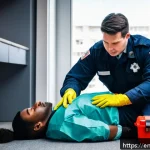
Cardiopulmonary resuscitation (CPR) and using an Automated External Defibrillator (AED) are essential skills. Even if you’re nervous, starting chest compressions right away improves survival chances.
I remember a time when I was able to assist a stranger by performing CPR until paramedics arrived. It’s empowering to realize that with some training, you could do the same.
Practicing regularly ensures your response is effective and confident.
Essential First Aid Skills Beyond the Basics
Managing Burns and Wounds
Burns require cooling immediately with running water—not ice, which can cause further tissue damage. Covering the burn with a sterile, non-stick dressing helps prevent infection.
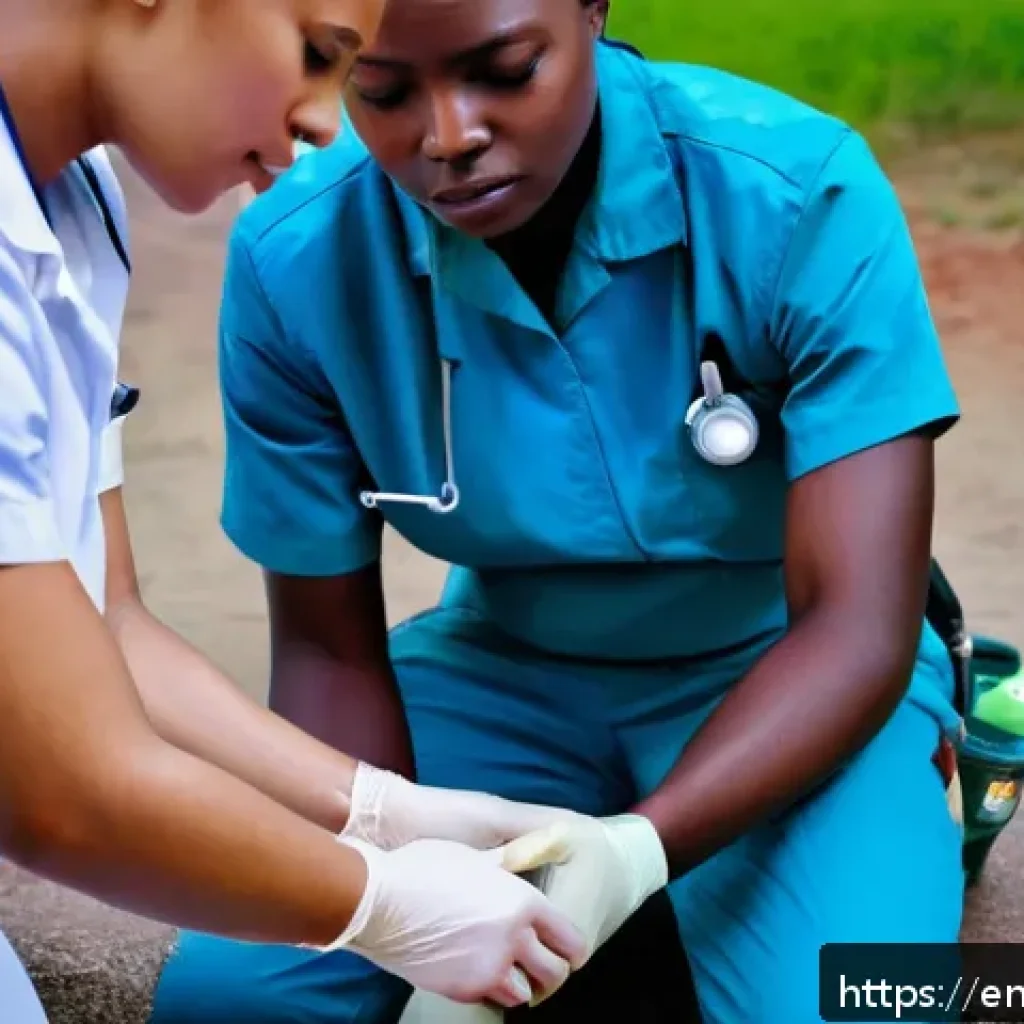
When treating wounds, cleaning debris gently and dressing the injury properly reduces complications. I’ve seen how quick and correct wound care reduces healing time and discomfort for patients.
Dealing with Allergic Reactions and Shock
Allergic reactions can escalate quickly into anaphylaxis, which is life-threatening. Recognizing symptoms like swelling, hives, or difficulty breathing is critical.
If an epinephrine auto-injector is available, administer it without delay. Shock, often overlooked, manifests as pale skin, rapid pulse, and confusion.
Elevating the legs and keeping the person warm can stabilize their condition until help arrives.
Handling Fractures and Sprains Safely
Stabilizing broken bones or sprained joints involves immobilization to prevent further injury. Using splints or padding with available materials, like rolled-up magazines or clothing, can be effective in emergencies.
Avoid moving the injured limb unnecessarily. I once had to improvise a splint in a remote area, and it helped the injured person avoid worsening pain until we reached medical care.
Effective Communication During Emergencies
What to Say When Calling for Help
Clear and concise information is vital when dialing emergency services. Provide your exact location, describe the situation, the number of people injured, and any known medical conditions.
Speaking calmly but firmly helps dispatchers send the right resources faster. I’ve learned that preparing this info mentally beforehand reduces panic during real emergencies.
Coordinating with Bystanders
Crowds can become chaotic, so assigning simple tasks like calling 911, fetching first aid kits, or directing traffic can be lifesaving. I’ve seen how quickly chaos turns to cooperation when one person takes charge and delegates.
Encouraging others to assist without overwhelming the scene creates a safer environment for everyone involved.
Documenting the Incident for Medical Teams
After initial care, jotting down what happened and the interventions you performed can be extremely helpful to healthcare providers. Details like the time of injury, symptoms noticed, and treatments given provide a clearer picture of the patient’s condition.
I recommend keeping a small notebook or using your phone’s notes app for this purpose.
Post-Emergency Care: What Comes After the Crisis
Monitoring Vital Signs and Patient Comfort
Once the immediate danger passes, ongoing observation is essential. Check breathing, pulse, and consciousness regularly. Keeping the patient comfortable, hydrated, and warm helps prevent secondary complications.
In my experience, simple gestures like reassuring the patient can significantly reduce anxiety and promote recovery.
Preventing Infection and Complications
Proper wound care continues after the emergency. Cleaning wounds daily, changing dressings, and watching for signs of infection such as redness, swelling, or fever are important.
Educating patients on these steps empowers them to take control of their healing process. I’ve seen infections develop when aftercare is neglected, which underscores the importance of thorough follow-up.
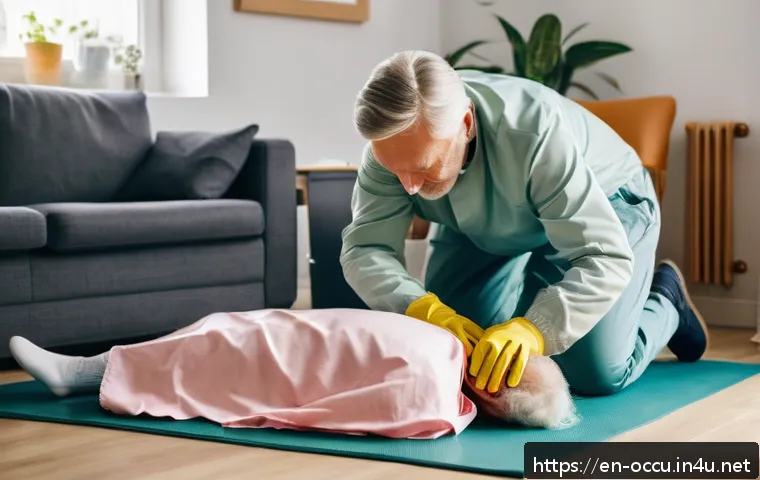
When to Seek Professional Medical Attention
Not all injuries or symptoms resolve quickly. Persistent pain, worsening swelling, or changes in consciousness require urgent medical evaluation. Trust your judgment—if something feels off, it’s better to err on the side of caution.
I’ve learned that timely professional care prevents minor issues from escalating into serious conditions.
Preparing Yourself: Training and Equipment for Emergencies
Finding Quality First Aid and CPR Courses
Hands-on training is invaluable. Look for certified courses offered by recognized organizations like the American Red Cross or American Heart Association.
I’ve taken multiple courses, and each time I learn new techniques and refresh skills that boost my confidence. Regular recertification keeps you sharp and ready.
Essential Items for Your First Aid Kit
A well-stocked first aid kit tailored to your environment is a must-have. Include adhesive bandages, antiseptic wipes, gloves, a CPR mask, tweezers, and an emergency blanket.
For families or workplaces, adding an epinephrine injector and a thermometer is wise. I keep my kit updated and accessible—it’s saved me from scrambling during unexpected incidents.
Practicing Scenario-Based Drills
Role-playing different emergencies helps you stay calm and effective. Whether it’s a simulated choking incident or a mock car accident, practicing response steps trains your brain to react appropriately under stress.
I’ve found that doing drills with friends or coworkers creates a supportive learning environment and improves overall preparedness.
Understanding Legal and Ethical Considerations
Good Samaritan Laws and Your Protection
These laws protect individuals who provide reasonable assistance in emergencies from legal liability. Knowing your rights encourages you to act without fear of repercussions.
However, it’s important to act within your skill level and avoid reckless behavior. I always remind people that doing something is better than doing nothing, as long as it’s done responsibly.
Respecting Patient Consent and Privacy
When possible, obtain consent before providing care, especially for conscious adults. In life-threatening situations, implied consent applies. Maintaining patient dignity and confidentiality, even in emergencies, fosters trust and respect.
I’ve encountered situations where explaining actions beforehand eased patient anxiety and improved cooperation.
Balancing Urgency with Compassion
Emergency care isn’t just about technical skills—it’s also about empathy. Being present, offering reassurance, and acknowledging fears can make a huge difference to someone in distress.
From personal experience, patients respond better when they feel cared for as a person, not just a medical case.
| Emergency Scenario | Immediate Action | Post-Care Focus | Key Equipment Needed |
|---|---|---|---|
| Severe Bleeding | Apply direct pressure, elevate limb if possible | Monitor for shock, keep wound clean | Gloves, sterile dressings, bandages |
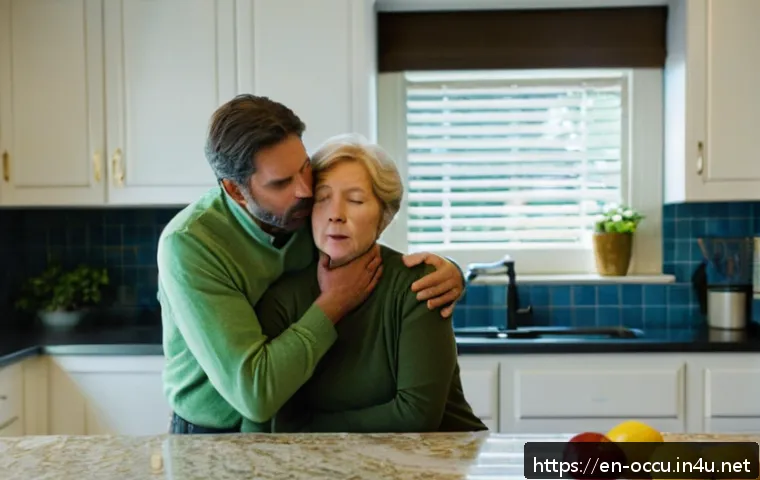
| Choking | Perform Heimlich maneuver or back blows | Watch for airway swelling, encourage breathing | CPR mask, emergency contact info |
| Burns | Cool with running water, cover with sterile dressing | Prevent infection, avoid popping blisters | Non-stick dressings, sterile water, pain relief |
| Unconsciousness | Check airway, breathing, place in recovery position | Continuous monitoring, prepare for emergency transport | CPR mask, blanket, emergency phone numbers |
In Closing
Understanding how to recognize critical signs and respond swiftly can truly make a life-saving difference. Through preparation and practice, anyone can become confident in handling emergencies effectively. Remember, staying calm and acting promptly is key to protecting yourself and others. With the right knowledge and tools, you’ll be ready to face unexpected situations with assurance.
Helpful Information to Keep in Mind
1. Always trust your instincts when assessing an emergency—delaying action can cost valuable time.
2. Clear communication with emergency responders and bystanders ensures coordinated and effective help.
3. Regular training in CPR and first aid boosts your confidence and ability to act correctly under pressure.
4. Keep your first aid kit well-stocked and easily accessible to handle common injuries promptly.
5. Knowing your legal protections encourages you to assist others without fear of liability.
Key Takeaways
Recognizing life-threatening symptoms early and prioritizing your response can save lives. Basic life support skills, like CPR and proper wound care, are essential and should be practiced regularly. Effective communication during emergencies helps organize assistance and improve outcomes. Post-emergency care, including monitoring and infection prevention, is just as important as initial treatment. Finally, being prepared with training, equipment, and an understanding of legal responsibilities empowers you to act confidently and compassionately in any crisis.
Frequently Asked Questions (FAQ) 📖
Q: What are the most important immediate actions to take during a medical emergency?
A: The first few moments in a medical emergency are critical. You should quickly assess the scene for safety, call emergency services without delay, and check the victim’s responsiveness and breathing.
If the person is unresponsive and not breathing, starting CPR immediately can save their life. Using an AED (Automated External Defibrillator) if available also greatly increases survival chances.
From my experience, staying calm and acting decisively while waiting for professional help makes a huge difference.
Q: How can I effectively provide post-care after the initial emergency response?
A: Post-care is just as vital as the initial response. After stabilizing the person, monitor their vital signs and keep them comfortable and warm to prevent shock.
Make sure to document what happened and the care given to inform healthcare providers later. Emotional support is equally important—offering reassurance and staying with them until help arrives can alleviate panic.
I’ve seen that those who receive calm, ongoing care recover more smoothly.
Q: Do I need special training to confidently handle emergency medical situations?
A: While anyone can learn basic first aid and CPR, formal training through certified courses like those offered by the Red Cross or American Heart Association provides the confidence and skills needed in real emergencies.
These courses teach hands-on techniques and decision-making under pressure, which you can’t fully grasp from just reading or watching videos. Personally, having completed such training gave me peace of mind and readiness that proved invaluable when I encountered emergencies in daily life.