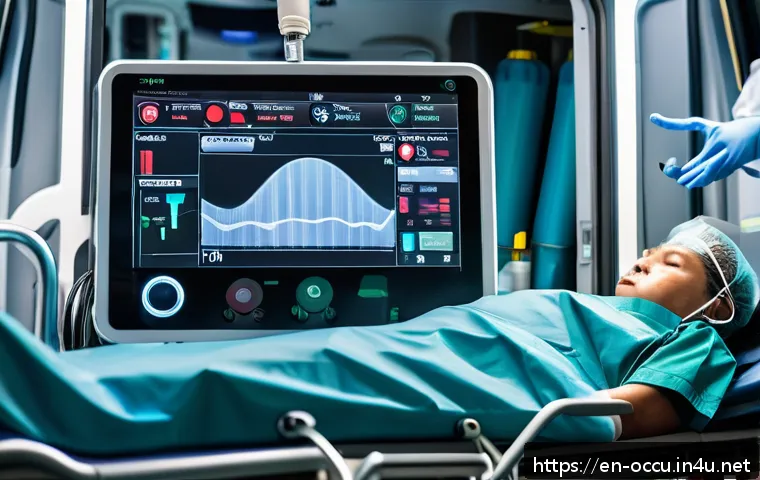
In today’s fast-paced emergency medical services, having the right gear can make all the difference between life and death. With evolving protocols and new technology emerging regularly, paramedics must stay prepared and equipped for any situation on the road.
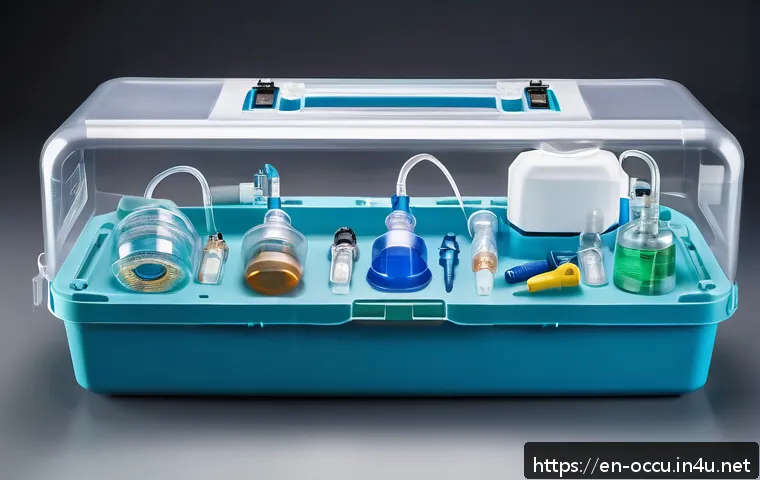
Whether you’re a seasoned professional or just starting out, knowing exactly what essentials to carry ensures you can respond swiftly and confidently.
Let’s dive into the must-have EMS response gear that every paramedic should have before heading out—because when seconds count, being ready is everything.
Personal Protective Equipment: Your First Line of Defense
Gloves and Masks: Essential Barriers Against Contamination
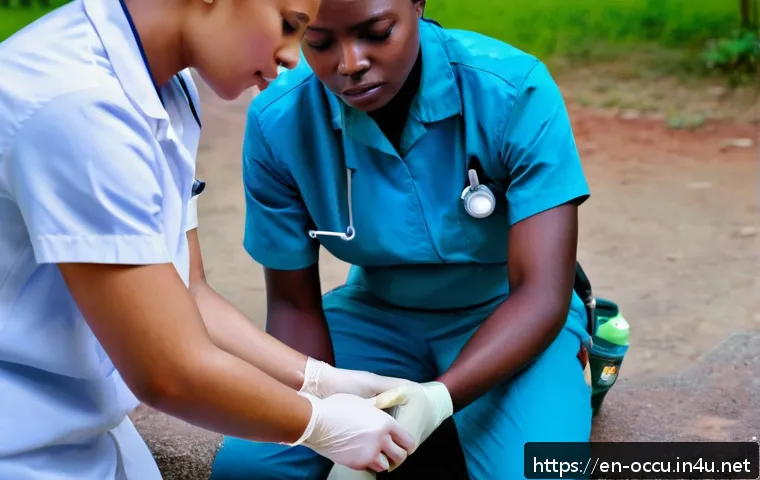
When rushing into a scene, the last thing you want is to compromise your safety or that of your patient. Gloves and masks aren’t just routine—they’re your primary shield against bloodborne pathogens and airborne infections.
I’ve found that having a variety of glove sizes and high-quality N95 or surgical masks ready can save precious seconds and reduce risk. Always check your supply before a shift; running low on gloves or masks can put you in a tight spot, especially during a multi-casualty event.
Remember, donning your PPE quickly but properly is a skill that can’t be overstated.
Eye Protection and Gowns: Shielding Against Fluids and Debris
Eye protection like goggles or face shields often gets overlooked, but it’s critical when splashes or sprays are involved. In my experience, wearing a clear, anti-fog shield has made it easier to maintain visibility during chaotic calls.
Disposable gowns add another layer, especially when dealing with infectious diseases or trauma cases with heavy bleeding. They’re lightweight but effective—don’t underestimate their importance in protecting your uniform and skin from contamination.
Maintaining PPE Inventory and Quality
Keeping your PPE fresh and accessible is a game-changer. I recommend creating a checklist to inspect your gear at the start and end of every shift. This habit helps catch any damaged gloves or expired masks before they become a problem.
Storing PPE in waterproof, easy-to-reach compartments within your kit or ambulance ensures you’re never fumbling when seconds count. A little organization goes a long way toward safety and efficiency.
Vital Medical Tools: The Backbone of Patient Assessment
Stethoscope and Blood Pressure Cuff: Monitoring Basics
These tools are fundamental, yet their quality can vary drastically. I’ve personally upgraded to a digital blood pressure cuff that provides quicker readings and integrates with electronic patient care reports, streamlining documentation.
My stethoscope is a trusted companion, allowing me to detect subtle heart and lung sounds that might otherwise go unnoticed. Regularly calibrating and cleaning these tools is essential to avoid misdiagnoses.
Pulse Oximeter and Thermometer: Quick Vital Signs Check
Pulse oximeters have become indispensable in monitoring oxygen saturation, especially with respiratory illnesses becoming more common. Using a fingertip pulse ox that’s fast and accurate helps me make quick decisions on oxygen therapy.
Similarly, a reliable thermometer, preferably digital and easy to disinfect, is critical for detecting fever. I always carry backup batteries to ensure these devices don’t fail mid-call.
Multi-Function Tools: Efficiency in One Package
Some paramedics swear by multi-tools that combine scissors, tweezers, and even small flashlights. I’ve found these invaluable in tight spots where switching between instruments wastes time.
Compact and sturdy multi-tools fit perfectly in my kit, allowing me to handle everything from cutting clothing to removing debris without scrambling for separate items.
Advanced Airway Management Equipment for Critical Care
Bag-Valve Mask (BVM) and Oxygen Delivery Systems
Effective ventilation can be a lifesaver, literally. I always carry a well-maintained BVM with various mask sizes to accommodate adults and pediatric patients.
Coupled with portable oxygen tanks and nasal cannulas, these tools allow me to manage airway emergencies on the spot. Having a reliable regulator and checking oxygen levels before each shift is a routine I never skip.
Endotracheal Tubes and Suction Devices
For advanced airway management, having endotracheal tubes in assorted sizes is non-negotiable. I’ve gone through countless scenarios where quick intubation made the difference between a stable patient and a critical one.
Alongside this, suction devices help clear airways effectively. Portable, battery-operated suction units are my preference—they’re powerful and easy to clean, ensuring readiness in any environment.
Backup Airway Tools: When Standard Options Fail
No airway setup is complete without alternative devices like laryngeal mask airways or nasopharyngeal airways. These come in handy when intubation proves difficult or when rapid ventilation is required.
I keep these backups organized in a dedicated airway kit, so they’re always within reach. Practicing with these tools regularly has boosted my confidence tremendously during high-stress calls.
Trauma and Wound Care Supplies for Immediate Intervention
Bandages, Dressings, and Hemostatic Agents
When faced with bleeding injuries, having a range of dressings—from gauze pads to pressure bandages—is crucial. Hemostatic agents, which promote clotting, have become a staple in my trauma kit.
In one incident, applying a hemostatic dressing stopped severe bleeding before hospital arrival, which made all the difference. It’s important to know how to use these products correctly, as improper application can worsen the situation.
Splints and Immobilization Devices
Proper immobilization is key to preventing further injury in fractures or spinal trauma. I carry adjustable splints that are lightweight yet sturdy, allowing for quick application in confined spaces.
Cervical collars and backboards are also essential, especially when spinal injury is suspected. I always double-check these devices for damage and ensure straps and fasteners are functional before heading out.
Burn and Eye Injury Care Kits
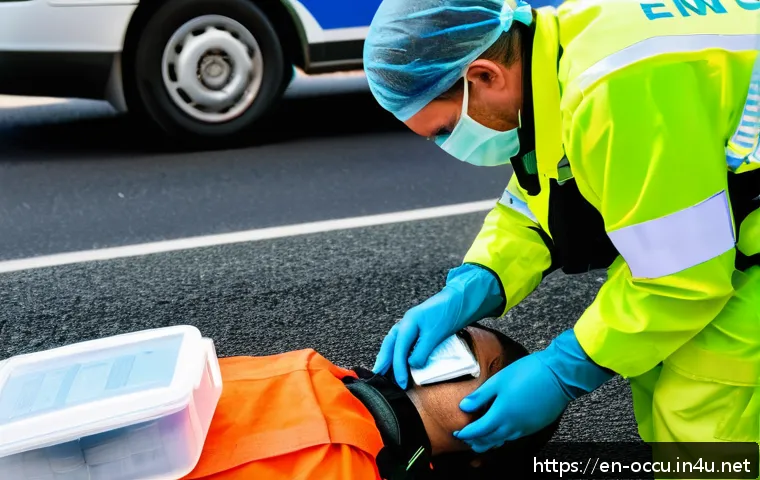
Burn injuries require specialized dressings that cool and protect the skin. I keep hydrogel sheets and sterile burn dressings in my kit for immediate application.
Eye injuries, though less common, demand prompt irrigation and protection; thus, a portable eye wash station and sterile eye pads are must-haves. These kits are compact but can dramatically improve patient outcomes when used promptly.
Communication and Navigation Tools for Seamless Coordination
Two-Way Radios and Smartphones
Clear communication is the backbone of effective EMS operations. I rely on rugged two-way radios with long battery life for reliable connection in challenging environments.
Smartphones complement this by providing GPS navigation and quick access to medical reference apps. Keeping both devices fully charged and carrying portable chargers ensures I stay connected throughout the shift.
GPS and Mapping Applications
Finding the fastest route can save vital minutes. I use dedicated GPS units along with apps like Waze or Google Maps, which offer real-time traffic updates and alternative routes.
In rural areas, offline maps are a lifesaver when cellular service is spotty. Familiarity with local geography and common traffic patterns also helps me anticipate delays and plan accordingly.
Documentation and Reporting Tools
Accurate, timely documentation is crucial for continuity of care and legal compliance. I use electronic patient care reporting (ePCR) systems on tablets, which sync automatically with hospital records.
This reduces paperwork and errors. I also carry waterproof notebooks and pens as backups, since technology isn’t always reliable in the field.
Organizational Strategies for Efficient Kit Management
Modular Bag Systems and Labeling
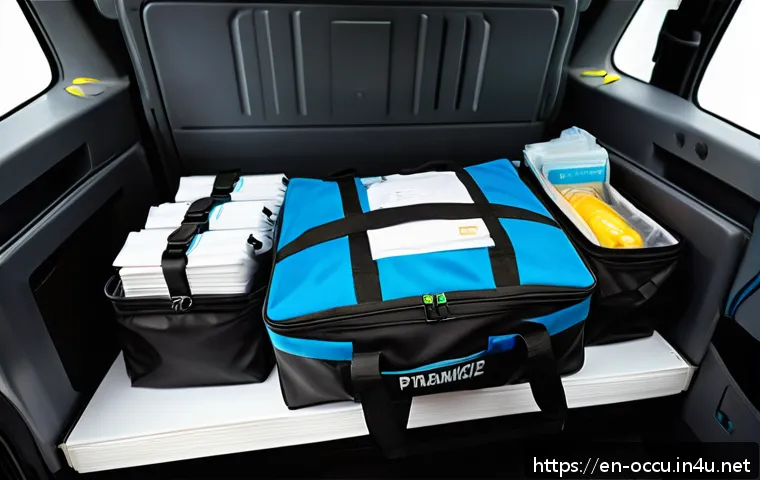
I swear by modular EMS bags with clearly labeled compartments. This setup allows me to grab exactly what I need without wasting time searching. Color-coded sections for airway, trauma, medications, and PPE keep everything organized, especially during high-pressure scenarios.
Regularly reorganizing and restocking the kit ensures nothing gets forgotten or expired.
Regular Equipment Checks and Maintenance
Routine inspections are vital to ensure all gear is functional and within expiration dates. I schedule weekly checks of batteries, seals, and expiration labels.
I also clean and disinfect equipment thoroughly to prevent contamination. This habit has saved me from nasty surprises mid-call and keeps my gear in top shape.
Personalizing Your Kit Based on Experience
Over time, I’ve customized my kit to include items I use most frequently or find indispensable. This personal touch makes my response smoother and less stressful.
For example, adding extra tape rolls or a specific brand of gloves that fit me best has improved my efficiency. Tailoring your gear based on your own experiences can make all the difference in the field.
| Gear Category | Essential Items | Recommended Features | Maintenance Tips |
|---|---|---|---|
| Personal Protective Equipment | Gloves, Masks, Eye Protection, Gowns | Varied sizes, N95 masks, anti-fog goggles, disposable gowns | Check stock pre-shift, store dry, replace expired items |
| Vital Medical Tools | Stethoscope, BP cuff, Pulse oximeter, Thermometer | Digital, easy to disinfect, reliable battery life | Calibrate regularly, clean after use, carry spare batteries |
| Airway Management | BVM, Oxygen tanks, Endotracheal tubes, Suction devices | Multiple sizes, portable, battery-operated suction | Test functionality weekly, check oxygen levels, clean suction units |
| Trauma Supplies | Dressings, Hemostatic agents, Splints, Burn kits | Varied sizes, sterile packaging, lightweight splints | Inspect for damage, replace expired items, store in labeled compartments |
| Communication Tools | Two-way radios, Smartphones, GPS devices | Long battery life, rugged design, real-time navigation apps | Charge daily, update maps/apps, carry portable chargers |
| Organizational Tools | Modular bags, Labels, Notebooks | Color-coded, waterproof, easy access compartments | Reorganize weekly, restock supplies, clean bags regularly |
In Conclusion
Proper preparation and maintenance of your medical gear are crucial for effective emergency response. Each piece of equipment plays a vital role in protecting both you and your patients. By staying organized and vigilant, you can ensure safety and efficiency during every call. Remember, the right tools and readiness can make all the difference when seconds count.
Helpful Tips to Keep in Mind
1. Always perform a thorough equipment check before and after each shift to catch any damaged or expired items early.
2. Customize your kit based on your personal experience and common scenarios you encounter to improve your response time.
3. Invest in quality PPE and medical devices that are easy to disinfect and maintain to reduce infection risks.
4. Use modular bags with clear labeling to quickly locate supplies under pressure.
5. Keep communication devices charged and updated to maintain seamless coordination with your team and hospitals.
Key Takeaways
Ensuring your personal protective equipment is intact and accessible is the first step to safety. Prioritize high-quality vital signs monitors and airway tools to provide timely care. Regularly maintain and organize your gear, tailoring your kit to your needs for optimal efficiency. Effective communication and navigation tools are essential for smooth operations, while thorough documentation supports continuity of care. By adopting these strategies, you enhance your preparedness and confidence in any emergency situation.
Frequently Asked Questions (FAQ) 📖
Q: uestionsQ1: What are the absolute must-have items every paramedic should carry on their EMS response bag?
A: Every paramedic’s response bag should include essentials like a stethoscope, blood pressure cuff, trauma shears, gloves, a tourniquet, airway management tools (such as a bag-valve mask and oropharyngeal airways), a pulse oximeter, and basic wound care supplies like bandages and antiseptics.
From my experience, having these at arm’s reach can make the difference between stabilizing a patient quickly or losing precious time.
Q: How often should EMS gear be inspected and replaced to ensure readiness?
A: Regular checks are crucial—ideally before each shift and a more thorough inspection weekly. I personally make it a habit to inspect seals, expiration dates on meds, battery levels on devices, and the integrity of consumables.
Gear failure in the field is not an option, so staying proactive with maintenance keeps you confident and mission-ready.
Q: Are there any new technologies or tools that paramedics should consider adding to their kits?
A: Absolutely. Advances like portable ultrasound devices, advanced hemostatic dressings, and ruggedized tablets for electronic patient care reports are becoming game changers.
I tested a compact handheld ultrasound recently, and it significantly improved my ability to assess trauma on-site. Staying updated with these innovations not only boosts your effectiveness but also enhances patient outcomes.