In emergency situations, the collaboration between paramedics and everyday citizens can make a life-saving difference. Whether it’s a quick call for help or immediate first aid, these partnerships often determine the outcome before professional help arrives.
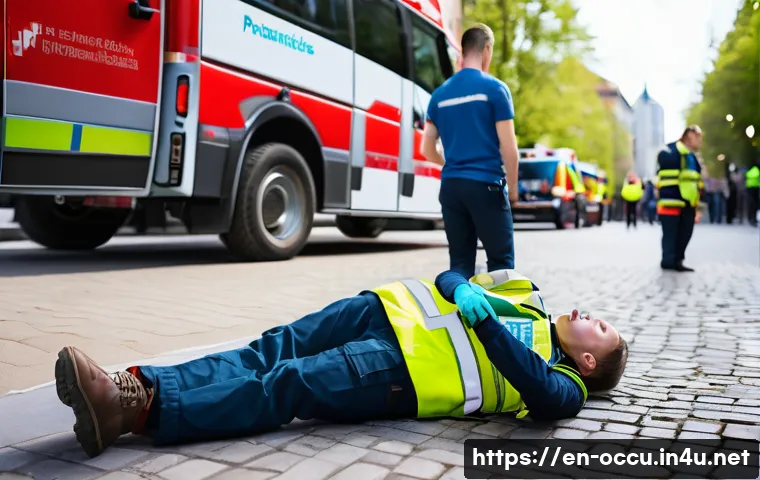
I’ve seen firsthand how community awareness and readiness empower people to act confidently in critical moments. This dynamic teamwork not only speeds up response times but also fosters trust and resilience within neighborhoods.
Understanding how these interactions work is crucial for improving public safety and emergency response systems. Let’s dive in and explore the powerful impact of paramedic and citizen cooperation in detail!
Building Rapid Response Through Community Training
Empowering Citizens with Basic First Aid Skills
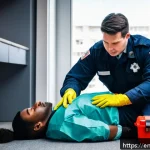
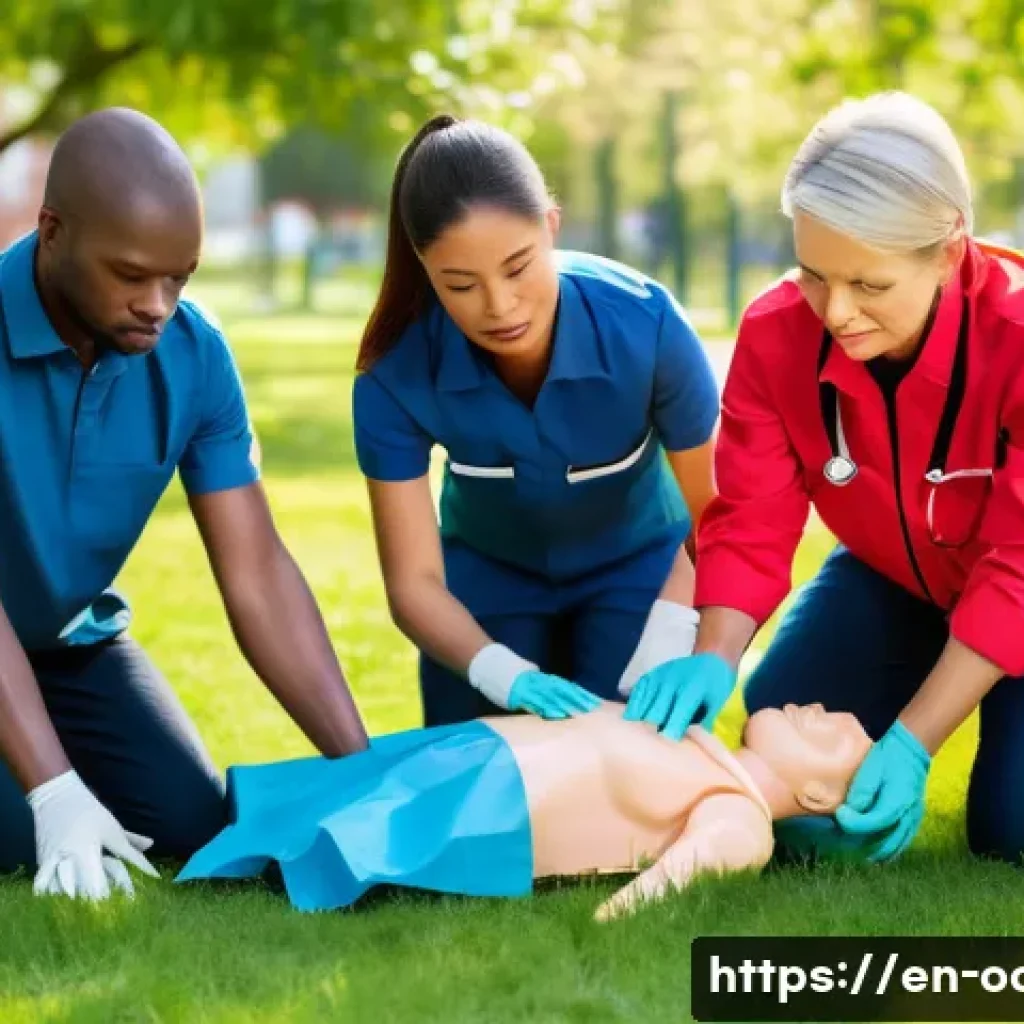
Getting everyday people equipped with basic first aid knowledge has been a game changer in emergency situations. When someone nearby knows how to perform CPR or control bleeding, it can literally buy precious minutes before paramedics arrive.
From my own experience volunteering in community workshops, I noticed that attendees often feel more confident and less panicked when faced with a real emergency.
This confidence translates into quicker, more effective actions like calling 911 promptly, starting chest compressions, or using an automated external defibrillator (AED).
The ripple effect is clear: trained citizens become a vital extension of emergency services, greatly increasing the chances of survival.
Simulation Drills: Practicing Real-World Scenarios
One of the most effective ways to prepare citizens is through hands-on simulation drills that mimic real emergencies. I once attended a neighborhood drill where volunteers acted out a car accident scene, while paramedics coached them on how to stabilize victims and communicate clearly over the phone.
These immersive exercises not only sharpen practical skills but also help reduce fear and hesitation when actual crises hit. The drills encourage teamwork, showing participants how their role fits into the larger rescue operation.
By practicing these scenarios, communities build a culture of readiness that supports paramedics and emergency responders in the field.
Creating a Network of Local Helpers
Beyond individual skills, establishing a local network of trained helpers is crucial. Many cities now use smartphone apps that alert nearby trained citizens when an emergency happens, allowing them to respond faster than ambulances sometimes can.
I’ve seen how this tech integration empowers people to become first responders in their own neighborhoods. These networks rely on trust and clear protocols, so everyone knows their role and limits.
When citizens collaborate with paramedics this way, the response becomes a well-coordinated effort, effectively bridging the gap between the incident and professional medical care.
Communication Dynamics Between Paramedics and Bystanders
Clear Instructions to Reduce Chaos
In emergencies, chaos is almost guaranteed, but paramedics have developed strategies to cut through the noise. One of the most critical skills paramedics use is giving calm, clear instructions to bystanders.
For example, I’ve observed paramedics quickly delegating tasks like crowd control or basic first aid in a firm yet reassuring tone. This approach prevents confusion and ensures that help is organized rather than hindered by well-meaning but uncoordinated efforts.
The tone and choice of words can make a huge difference in how effectively citizens respond and assist during those intense moments.
Listening to Witnesses for Vital Clues
Paramedics depend heavily on eyewitness accounts to understand what happened and tailor their treatment immediately. I recall a case where a paramedic patiently gathered details from a distressed bystander, piecing together the sequence of events that led to a cardiac arrest.
This information shaped the medical intervention and sped up hospital notification. The key is for paramedics to create a calm atmosphere where witnesses feel heard and can share critical info without feeling overwhelmed.
This dynamic exchange not only improves patient outcomes but also helps citizens feel involved and valued in the rescue process.
Managing Emotional Responses on Scene
Emergencies are emotional for everyone involved, especially for family or friends present. Paramedics often serve as emotional anchors, calming people down so they can assist or step aside as needed.
I’ve noticed paramedics using empathetic language and body language to build trust quickly. This emotional intelligence is essential because distressed bystanders can sometimes unintentionally interfere or become a safety concern.
Balancing professionalism with compassion allows paramedics to maintain control and foster cooperation, which ultimately benefits the patient and the entire response effort.
Technology’s Role in Enhancing Collaboration
Real-Time Communication Tools
Technology has revolutionized how paramedics and citizens work together. Apps that allow instant communication between emergency dispatchers, paramedics, and nearby trained volunteers have shortened response times dramatically.
From my observations, these platforms often include GPS tracking, enabling helpers to navigate directly to the scene while paramedics are en route. This technology essentially extends the paramedic’s reach and ensures that critical interventions start faster.
It’s like having a digital safety net that catches emergencies before they escalate.
Wearable Devices and Remote Monitoring
Wearable health devices are becoming more common, allowing citizens to share vital signs instantly with paramedics even before they arrive. For instance, smartwatches that detect irregular heartbeats or falls can alert emergency services and provide critical data.
I’ve seen cases where this early warning led to paramedics preparing specialized equipment ahead of time, improving patient care from the moment they step in.
This seamless flow of information between citizens’ devices and medical teams creates a proactive approach to emergencies rather than a reactive one.
Training Platforms and Virtual Reality
Virtual reality (VR) and online platforms now offer immersive training for both paramedics and citizens. I tried a VR scenario simulating a stroke emergency, and it was eye-opening to experience the stress and decision-making in a controlled environment.
These tools help users build muscle memory and confidence without the risks of real-life practice. The availability of such training online makes it accessible to more people, fostering a well-prepared community that can cooperate effectively with paramedics when real emergencies occur.
Legal and Ethical Considerations in Citizen Participation
Good Samaritan Laws and Their Impact
One major concern many citizens have is legal liability when assisting in emergencies. Good Samaritan laws provide protection for those who offer reasonable help without expecting payment.
From what I’ve learned, these laws encourage more people to step in by reducing fear of lawsuits. However, awareness of these protections varies widely, which is why public education on legal rights is essential.
When citizens know they are legally covered, they are more likely to engage actively and responsibly during emergencies.
Balancing Privacy and Information Sharing
While sharing information is critical during emergencies, privacy concerns must be carefully managed. Paramedics and citizens alike need to respect sensitive medical details and avoid unnecessary disclosure.
In practice, I’ve seen paramedics train citizens on what information is essential for rescue and what should remain confidential. This balance helps maintain trust and protects patient dignity.
Ethical guidelines and clear communication protocols ensure that collaboration does not compromise anyone’s rights or privacy.
Establishing Boundaries for Safe Assistance
Knowing one’s limits is crucial to prevent causing harm or complicating medical care. I’ve witnessed paramedics gently reminding bystanders to avoid moving victims unless absolutely necessary or attempting procedures beyond their training.
Setting clear boundaries helps citizens understand when to act and when to wait for professionals. This clarity reduces risks of injury or interference and enhances overall cooperation.
Encouraging responsible involvement fosters a safer environment for everyone involved in emergency response.
Emotional and Psychological Effects on Community Responders
Stress Management for Citizen Helpers
Jumping into an emergency can be overwhelming for untrained individuals. I recall talking to volunteers who described initial panic followed by adrenaline-fueled focus.
However, repeated exposure to traumatic events can lead to stress or burnout. Providing psychological support and stress management resources for citizen responders is essential.
Communities that recognize these emotional challenges and offer counseling or peer support tend to retain motivated helpers who continue contributing effectively over time.
Building Resilience Through Experience
Repeated participation in emergency response can build resilience and a sense of purpose among community members. I’ve seen neighbors who initially hesitated become confident responders who actively promote safety initiatives.
This personal growth strengthens the social fabric and encourages a culture of mutual aid. Resilient citizens not only help during emergencies but also contribute to prevention efforts, making neighborhoods safer overall.
Paramedic Support for Bystander Well-Being
Paramedics often play a role beyond medical care by providing reassurance and psychological first aid to bystanders. I’ve observed paramedics taking time to debrief witnesses or helpers, helping them process what happened.
This support reduces feelings of guilt or helplessness and promotes emotional recovery. Such holistic care fosters trust and long-term community engagement, reinforcing a positive cycle of cooperation between paramedics and citizens.
Measuring the Impact of Citizen-Paramedic Collaboration
Key Performance Indicators in Emergency Response
Evaluating how citizen involvement affects outcomes requires looking at several metrics. Response time, survival rates, and patient satisfaction are some key indicators.
From data I’ve reviewed, communities with active citizen responder programs often report faster interventions and improved survival, especially in cardiac arrest cases.
These metrics help emergency services justify investments in public training and technology integration.
Case Studies of Successful Partnerships
Numerous real-world examples illustrate the power of citizen-paramedic teamwork. For instance, in one city, a bystander’s quick CPR and AED use saved a man’s life before paramedics arrived.
Stories like these not only inspire but also provide valuable lessons for improving protocols. Sharing success stories publicly encourages more people to get involved and highlights the importance of continuous collaboration.
Challenges and Areas for Improvement
Despite successes, challenges remain such as uneven training coverage, misinformation, and variable citizen readiness. I’ve noticed that ongoing community engagement and feedback loops between paramedics and citizens help identify gaps and develop targeted solutions.
Continuous education, better technology access, and stronger legal frameworks will be key to overcoming these hurdles and maximizing the life-saving potential of these partnerships.
| Aspect | Benefit | Challenges |
|---|---|---|
| Community Training | Increases immediate help; boosts confidence | Requires resources and participation |
| Communication | Reduces chaos; improves info flow | Emotional stress; misinformation risk |
| Technology | Speeds response; enhances coordination | Access inequality; data privacy concerns |
| Legal Protections | Encourages citizen action | Varied awareness; unclear boundaries |
| Emotional Support | Builds resilience; prevents burnout | Needs ongoing resources |
Conclusion
Building strong ties between citizens and paramedics through training, communication, and technology greatly enhances emergency response outcomes. When communities are prepared and empowered, lives are saved and panic is minimized. Continued collaboration and support ensure these efforts remain effective and sustainable.
Useful Information to Remember
1. Basic first aid skills can make a critical difference in emergencies by providing immediate assistance before professionals arrive.
2. Simulation drills help reduce fear and improve teamwork during real-life crises, making responders more confident and efficient.
3. Technology like real-time communication apps and wearable devices accelerates help and improves coordination between citizens and paramedics.
4. Understanding Good Samaritan laws encourages more people to assist without fear of legal consequences.
5. Emotional support and stress management for both citizen responders and paramedics are essential for maintaining long-term community readiness.
Key Takeaways
Empowering community members with first aid training and clear communication protocols creates a crucial safety net that complements professional emergency services. Integrating technology enhances rapid response, while legal protections and ethical boundaries build trust and encourage responsible involvement. Finally, addressing the emotional impact on responders fosters resilience and sustained engagement, making citizen-paramedic collaboration a powerful force in saving lives.
Frequently Asked Questions (FAQ) 📖
Q: How can everyday citizens effectively assist paramedics during an emergency?
A: Citizens can make a huge difference by staying calm, calling emergency services promptly, and providing clear, accurate information about the situation.
If trained in basic first aid or CPR, stepping in to offer immediate care before paramedics arrive can be life-saving. Even simple actions like keeping the scene safe or guiding responders to the location help speed up treatment.
From my experience, people who have taken community first aid courses feel more confident and ready to act, which improves overall outcomes.
Q: What should I do if I’m the first person on the scene before paramedics arrive?
A: The first step is to ensure your own safety and the safety of others around you. Then, call emergency services immediately with all the necessary details, such as the exact location, the nature of the emergency, and the condition of the victim.
While waiting, if you are trained, perform basic first aid or CPR as needed. It’s important to stay calm and reassure the victim, as your presence can provide critical emotional support.
I’ve seen that even just holding someone’s hand or speaking calmly can help reduce panic and stabilize the situation until professional help gets there.
Q: How does collaboration between paramedics and citizens improve neighborhood safety over time?
A: When communities actively engage in emergency preparedness and support paramedics, it builds a culture of trust and resilience. This teamwork encourages more people to learn lifesaving skills and increases the speed and efficiency of emergency responses.
Over time, neighborhoods with strong citizen-paramedic partnerships often see better survival rates and fewer complications from emergencies. Personally, I’ve noticed that when neighbors feel empowered and connected with local emergency teams, it creates a safer environment where everyone looks out for each other.