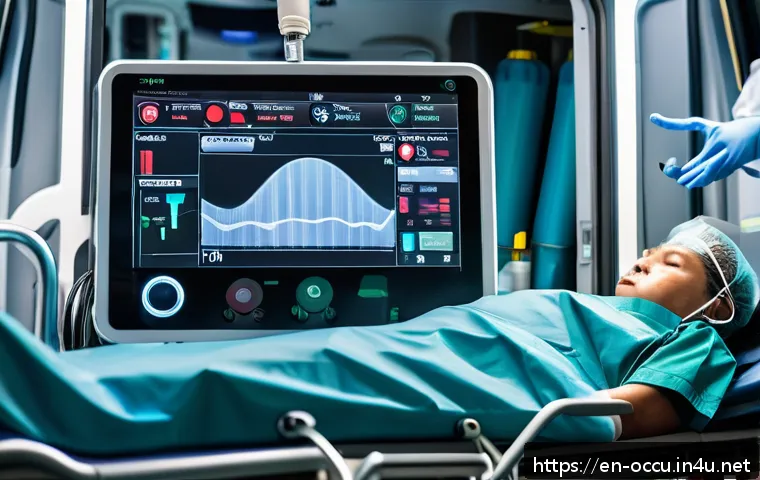
Understanding the basic medical concepts is essential for any emergency medical technician aiming to provide effective care in critical situations. These foundational principles not only guide quick decision-making but also ensure the safety and well-being of patients during emergencies.
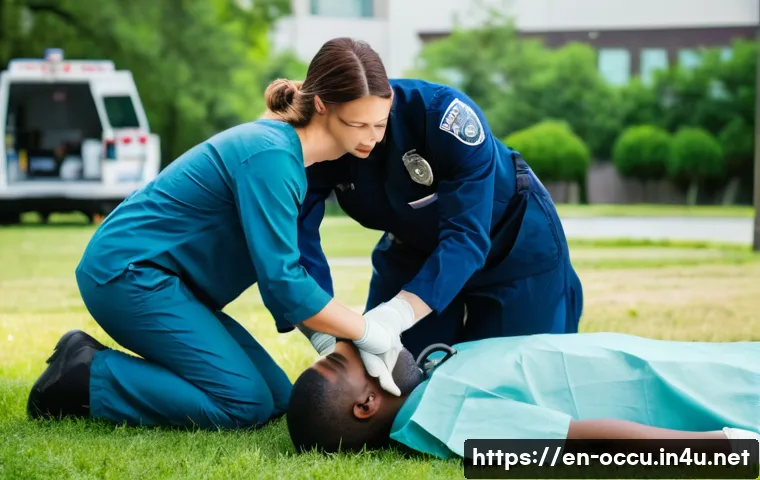
From anatomy and physiology to common pathologies, grasping these topics equips EMTs with the knowledge to act confidently under pressure. Having hands-on experience has shown me how vital this understanding is when every second counts.
Let’s dive deeper into these crucial concepts to build a strong medical foundation you can rely on!
Mastering Human Anatomy for Rapid Assessment
Structural Overview of Major Body Systems
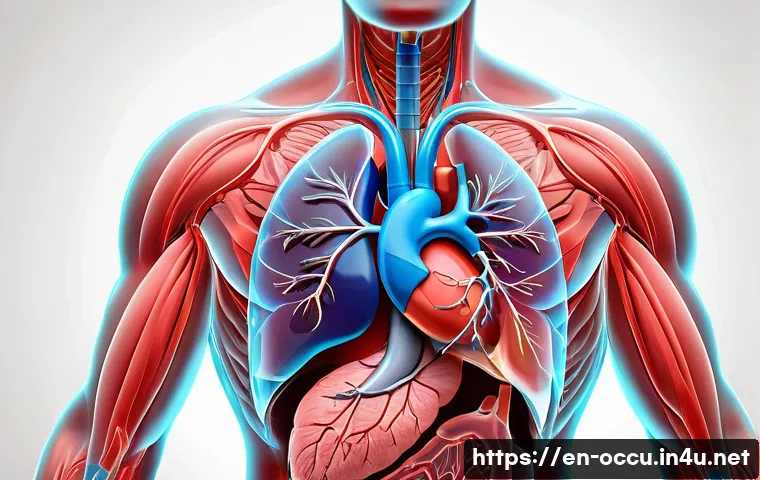
Understanding the body’s major systems—skeletal, muscular, cardiovascular, respiratory, and nervous—is like having a roadmap during emergencies. Each system plays a unique role, and knowing their layout helps EMTs identify what might be going wrong quickly.
For instance, recognizing how the respiratory system works can guide you when assessing breathing difficulties, while knowing the cardiovascular system’s components aids in evaluating circulation and shock.
In my experience, visualizing these systems in action is far more effective than rote memorization. I often picture the heart pumping or the lungs expanding to stay sharp under pressure.
Key Anatomical Landmarks for Emergency Care
Identifying landmarks such as the clavicle, sternum, and carotid artery is critical for performing interventions like chest compressions or pulse checks.
These landmarks serve as reliable reference points when seconds count. When I first started, I underestimated how much these simple markers could guide hands-on care, but after a few calls, it became clear that precision here can save lives.
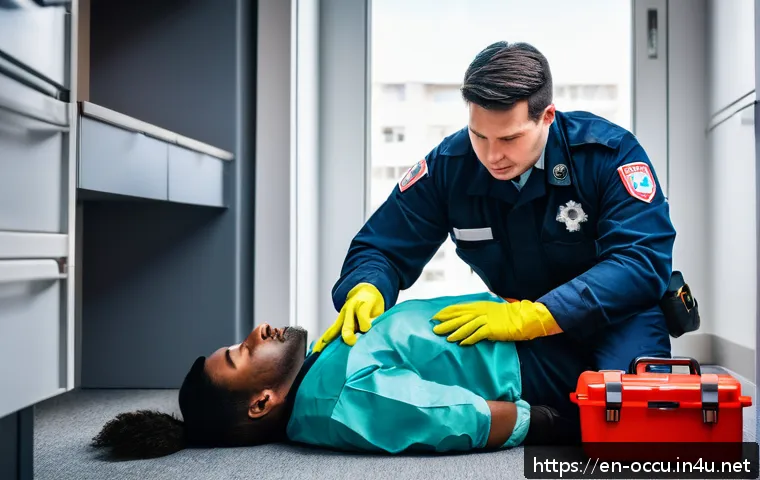
For example, placing hands correctly during CPR ensures effective compressions without causing unnecessary injury.
How Anatomy Directly Influences Treatment Choices
Anatomy informs everything from airway management to trauma care. Knowing the pathway of the airway helps determine when to use suction or airway adjuncts, while understanding vascular anatomy guides IV access.
This knowledge isn’t just academic; it shapes every treatment decision. I’ve seen how a clear grasp of anatomy can turn hesitation into swift, confident action, especially in chaotic scenes where clarity is your best tool.
Physiology Essentials That Drive Emergency Responses
Understanding Homeostasis and Its Disruptions
Homeostasis is the body’s delicate balance, and emergencies often tip it out of control. Whether it’s hypoxia, shock, or blood loss, recognizing how these states affect physiological functions is crucial.
When I’m on a call, I constantly think about how the body is reacting internally—like a thermostat gone awry—and tailor my interventions accordingly. This mindset helps prioritize treatments that restore balance, such as oxygen administration or fluid resuscitation.
The Role of the Nervous System in Crisis Situations
The autonomic nervous system’s fight-or-flight response can complicate emergency care by altering heart rate, blood pressure, and respiratory rate. Understanding these changes helps EMTs interpret vital signs correctly and anticipate patient needs.
Personally, I’ve noticed that patients’ stress responses can mimic or mask serious problems, so staying calm and observant allows me to distinguish between physiological alarm and actual injury.
Cardiopulmonary Physiology and Its Impact on Life Support
Knowing how the heart and lungs work together to oxygenate blood and maintain circulation is fundamental. Effective CPR, airway management, and defibrillation hinge on this understanding.
From hands-on practice, I’ve learned that timing and technique during resuscitation are deeply tied to physiological principles, making each intervention purposeful rather than mechanical.
Recognizing and Managing Common Medical Emergencies
Cardiac Events: Signs, Symptoms, and Immediate Actions
Chest pain, shortness of breath, and palpitations often signal cardiac emergencies like myocardial infarctions. EMTs must rapidly assess and act, providing oxygen, aspirin, or initiating CPR if needed.
My experience taught me that quick recognition paired with calm communication reassures patients and improves outcomes. Not every chest pain is a heart attack, but treating it as urgent until proven otherwise saves lives.
Respiratory Distress and Airway Compromise
Conditions such as asthma attacks, COPD exacerbations, or choking require swift airway management and oxygen therapy. I recall a call where a patient’s wheezing turned into silent chest tightness, signaling airway obstruction—a reminder that early intervention is key.
Mastery of airway adjuncts and suctioning techniques comes from both study and real-world practice, where every second shapes the prognosis.
Trauma Assessment and Initial Stabilization
Trauma cases demand a systematic approach: airway, breathing, circulation, disability, and exposure (ABCDE). I’ve found that sticking to this framework prevents oversight even in chaotic scenes.
Stabilizing fractures, controlling bleeding, and preventing shock are priorities that rely on knowing both anatomy and physiology intimately. Trauma care is where knowledge truly meets action.
Medication Basics Every EMT Should Know
Common Emergency Medications and Their Uses
Drugs like epinephrine, nitroglycerin, and glucose play pivotal roles in emergencies. Knowing their indications, contraindications, and effects enables safe administration.
I’ve administered epinephrine during anaphylaxis and nitroglycerin for chest pain, and understanding these medications’ mechanisms helped me anticipate patient responses and side effects confidently.
Routes of Administration and Dosage Considerations
Intramuscular, subcutaneous, oral, and inhalation routes each have pros and cons. Choosing the right route under pressure is crucial. For example, IM injections deliver faster effects than oral meds during allergic reactions.
I remember how clear knowledge about dosage and timing prevented errors during a high-stress situation—mistakes here can be costly.
Safety Protocols and Documentation
Proper medication administration also involves double-checking doses, monitoring for adverse reactions, and documenting everything accurately. I’ve learned that thorough documentation not only supports legal compliance but also ensures continuity of care when patients reach the hospital.
It’s a small step with big implications for patient safety.
Vital Signs: The Window Into Patient Status
Interpreting Heart Rate, Blood Pressure, and Respiratory Rate
Vital signs reflect the body’s current state and guide treatment priorities. I often think of them as a patient’s story told through numbers. For instance, a rapid pulse combined with low blood pressure usually signals shock.
Years of experience have taught me that trends matter as much as individual readings—watching how vitals change over minutes can indicate improvement or deterioration.
Using Pulse Oximetry and Capnography Effectively
These tools provide real-time feedback on oxygenation and ventilation. In my practice, pulse oximetry is indispensable for monitoring respiratory distress, while capnography guides ventilation quality during resuscitation.
Learning to interpret waveforms and saturation levels accurately makes a tangible difference in patient outcomes, especially in respiratory emergencies.

Challenges in Measuring and How to Overcome Them
Factors like movement, cold extremities, or patient agitation can skew vital sign readings. I’ve encountered situations where equipment failed or values didn’t match clinical presentation, reminding me to trust my assessment skills alongside technology.
Sometimes, rechecking manually or calming the patient improves accuracy—critical for making informed decisions.
Emergency Medical Procedures and Practical Skills
Airway Management Techniques
From basic maneuvers like the head-tilt chin-lift to advanced adjuncts such as oropharyngeal airways, airway management is a cornerstone skill. I’ve found that practicing these techniques repeatedly builds muscle memory, reducing hesitation in real emergencies.
The ability to secure an airway quickly can be the difference between life and death.
Hemorrhage Control and Wound Care
Applying direct pressure, using tourniquets, and dressing wounds properly are vital to prevent shock and infection. On one call, rapid tourniquet application stopped severe bleeding, stabilizing the patient until advanced care arrived.
Knowing when and how to use these interventions confidently is a skill honed through both training and real-world experience.
Patient Immobilization and Transport Considerations
Proper spinal immobilization prevents further injury during movement. Selecting the right device—backboard, cervical collar, or splints—and securing the patient safely requires precision.
I recall that clear communication with the transport team and gentle handling reassured patients and minimized discomfort, highlighting the human element in technical procedures.
Common Pathologies EMTs Encounter and Their Implications
Recognizing Signs of Stroke and Seizures
Sudden weakness, facial droop, or altered consciousness often point to neurological emergencies. Early identification allows for faster hospital intervention, which can dramatically improve outcomes.
I’ve responded to multiple stroke calls where quick recognition and timely transport were critical, underscoring the importance of neurological assessment skills.
Diabetic Emergencies: Hypoglycemia vs. Hyperglycemia
Knowing the differences in symptoms and treatment between low and high blood sugar is essential. I’ve administered glucose to hypoglycemic patients who were unconscious and helped stabilize hyperglycemic patients by ensuring rapid transport.
These cases remind me that subtle signs can escalate quickly, demanding vigilance.
Infectious Diseases and Precautions
In the field, EMTs must protect themselves and patients from infections like influenza or COVID-19. Proper use of PPE, hand hygiene, and equipment disinfection are non-negotiable.
I’ve seen how strict adherence to these protocols not only safeguards health but also builds patient trust in stressful situations.
Essential Tools and Technology in Prehospital Care
Monitoring Devices and Their Practical Uses
From portable ECG monitors to automated blood pressure cuffs, technology enhances assessment accuracy. I rely heavily on these devices but always cross-check findings with clinical evaluation.
Technology is a powerful ally but not a replacement for hands-on skills and judgment.
Communication Equipment for Coordinated Care
Effective communication with dispatch, hospitals, and other responders ensures seamless patient handoff and care continuity. I’ve learned that clear, concise radio communication reduces errors and speeds up decision-making.
A calm voice and precise information sharing are as important as any medical intervention.
Advances in Prehospital Interventions
New tools like mechanical CPR devices and advanced airway systems are transforming emergency care. Staying updated through training and research enables EMTs to provide cutting-edge treatment.
I’ve integrated some of these technologies into practice and noticed improvements in both patient outcomes and my confidence during calls.
| Body System | Key Components | Relevance to EMT Care |
|---|---|---|
| Respiratory | Lungs, Trachea, Bronchi | Assess breathing, manage airway, provide oxygen therapy |
| Cardiovascular | Heart, Blood Vessels | Monitor pulse, blood pressure, perform CPR |
| Nervous | Brain, Spinal Cord, Nerves | Evaluate consciousness, neurological deficits, seizure management |
| Musculoskeletal | Bones, Muscles, Joints | Immobilize fractures, control bleeding, stabilize injuries |
| Endocrine | Pancreas, Adrenal Glands | Manage diabetic emergencies, administer medications |
In Closing
Mastering human anatomy and physiology is essential for effective emergency medical care. It empowers EMTs to make quick, accurate decisions under pressure, ultimately saving lives. Drawing from experience and continuous learning enhances both confidence and competence in the field. Remember, every detail matters when seconds count.
Useful Information to Keep in Mind
1. Understanding key anatomical landmarks improves accuracy in life-saving procedures like CPR and airway management.
2. Recognizing physiological changes such as shock or respiratory distress helps prioritize interventions effectively.
3. Familiarity with common emergency medications and their administration routes reduces errors in high-stress situations.
4. Accurate interpretation of vital signs, including pulse oximetry and capnography, provides real-time insight into patient status.
5. Utilizing modern tools and maintaining clear communication are critical for coordinated and efficient prehospital care.
Key Takeaways
Emergency responders must integrate thorough anatomical knowledge with practical skills to assess and treat patients swiftly. Continuous attention to physiological cues ensures tailored care that adapts to changing conditions. Safety protocols, medication mastery, and teamwork amplify the effectiveness of interventions. Ultimately, combining technical expertise with calm, patient-focused communication is the cornerstone of successful emergency medical response.
Frequently Asked Questions (FAQ) 📖
Q: Why is understanding anatomy and physiology important for EMTs during emergencies?
A: Knowing anatomy and physiology helps EMTs quickly identify which body systems are affected in an emergency. For example, if a patient has trouble breathing, understanding the respiratory system allows the EMT to assess airway issues effectively.
This knowledge speeds up decision-making and improves the accuracy of interventions, which can be lifesaving when seconds matter.
Q: How do common pathologies influence the care provided by EMTs?
A: Familiarity with common medical conditions like heart attacks, strokes, or diabetic emergencies enables EMTs to recognize symptoms promptly and apply the appropriate treatment protocols.
From my experience, when you understand the typical signs of these illnesses, you can prioritize care better and communicate critical information to hospital staff, ensuring a smoother handoff and better patient outcomes.
Q: Can hands-on experience enhance an EMT’s understanding of medical concepts?
A: Absolutely. While textbooks provide theory, real-world experience solidifies understanding. I’ve noticed that after handling multiple emergency calls, the connection between textbook knowledge and practical application becomes clearer.
This blend of knowledge and experience builds confidence, allowing EMTs to stay calm and act decisively in high-pressure situations.