Learn the core priorities that guide emergency responders: scene safety, rapid assessment, emergency activation, CPR/AED use, bleeding control, and handoff.
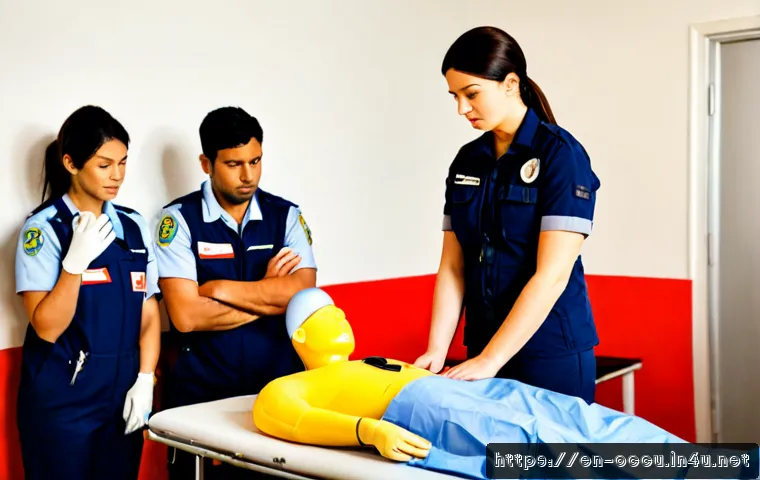
Compare training and equipment options for home or workplace readiness.
In an emergency, the priorities are simple: protect the scene, activate emergency services early, and provide only the care you are trained and equipped to give. A fast, organized response can help professional responders reach the person with better information and fewer avoidable delays. For households, the right starting point may be a maintained first-aid kit and basic first-aid knowledge. For workplaces or public-facing locations, CPR/AED certification, an emergency action plan, and accessible equipment may be more appropriate. The best choice depends on likely risks, the number of people present, available responders, and local requirements. Training and equipment should support a clear response, not create false confidence.
At a Glance
- Check for danger first: Do not approach until the scene is reasonably safe for you and the person needing help.
- Call for professional help early: Activate the local emergency number and assign clear tasks when other people are nearby.
- Give trained care: Use CPR, an AED, bleeding-control supplies, or other measures only within your training and local protocols.
| Readiness Option | Best Fit | Main Decision Criteria |
|---|---|---|
| Home first-aid kit | Families and everyday minor injury preparedness | Easy access, regular inspection, and supplies that household members can use confidently |
| CPR/AED certification course | Individuals who want hands-on emergency response skills | Accredited instruction, practical AED experience, refresher options, and current local guidance |
| Small-office emergency plan | Teams that need clear roles and communication procedures | Responder assignments, equipment locations, emergency contacts, and incident documentation |
| Workplace AED program | Locations with a larger population or higher-risk environment | Accessible placement, maintenance support, trained responders, inspections, and local compliance |
The First Priorities When Someone Needs Emergency Help
Emergency response begins before any medical care is provided. The first goal is to avoid creating another victim, then get professional support moving, and finally give appropriate care within your abilities.
Check for Danger Before Making Contact
Look for hazards before approaching. Traffic, fire, unstable surfaces, violence, electrical risks, chemicals, or unsafe surroundings can change the correct response. If the area is unsafe, keep your distance, seek help, and communicate the danger when calling emergency services.
Do not rush into a scene simply because someone needs help. A responder who becomes injured cannot assist the original patient. This is one reason accredited first-aid and workplace safety training emphasizes scene assessment before contact.
Call Emergency Services and Assign Clear Tasks
Activate the local emergency number as early as possible when a person may have a serious illness or injury. Dispatchers may provide instructions while professional medical support is on the way. If others are present, use direct assignments rather than general requests: ask one person to call, another to locate an AED or first-aid supplies, and another to guide responders to the location.
Clear tasks reduce confusion. In a workplace emergency action plan, this may include a designated caller, trained responders, and a person who meets EMS at an entrance or access point.
Give Only the Care You Are Trained and Equipped to Provide
First-aid and CPR training is designed to help people act within their level of training. That matters when decisions are stressful and time-sensitive. Use available equipment as intended, follow local protocols, and rely on dispatch guidance where available.
Preparedness is not the same as performing every possible intervention. A well-stocked kit, AED program, or trauma supply package is useful only when people understand its purpose, access it quickly, and know when to call for higher-level care.
Core Life-Saving Actions: What Takes Priority and Why
After scene safety and emergency activation, responders generally focus on immediate threats such as unresponsiveness, abnormal breathing, and severe external bleeding. The exact sequence and techniques should come from current accredited training and local emergency protocols.
Responsiveness, Breathing, and Signs of Life-Threatening Bleeding
Observe the person and identify urgent concerns. Is the person responsive? Are they breathing normally? Is there severe external bleeding? These observations help determine what information should be relayed to emergency dispatch and what trained care may be needed.
A calm response can be more effective than trying to diagnose the cause. Note what you saw, what changed, and what care was provided. Those details are valuable during the EMS handoff.
CPR and AED Response for Suspected Cardiac Arrest
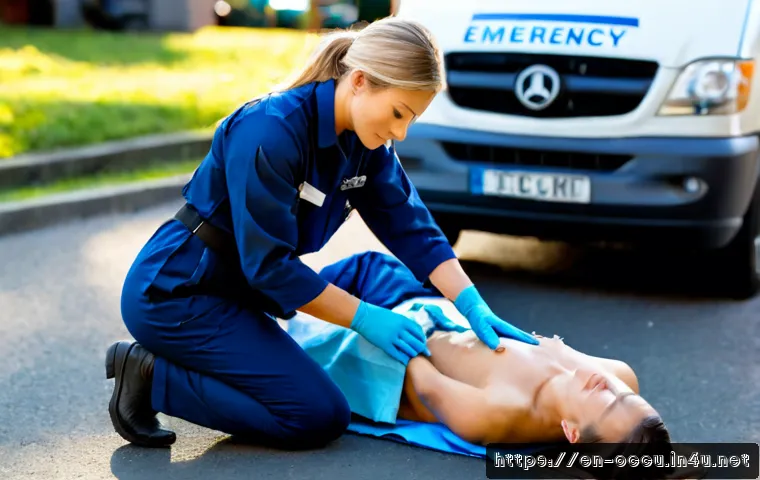
CPR and AED use are commonly taught together in emergency response training. An AED can analyze certain cardiac rhythms and provide prompts for trained or untrained rescuers. If an AED is available, bringing it to the scene promptly can be an important part of the response.
For people considering a CPR/AED certification course, hands-on practice is a meaningful comparison point. Look for training that explains how to recognize a possible emergency, activate local emergency services, work with an AED, and communicate with others on scene. Do not assume that a course, certification requirement, or AED policy is the same in every location.
Bleeding Control, Recovery Position, and Monitoring Until Help Arrives
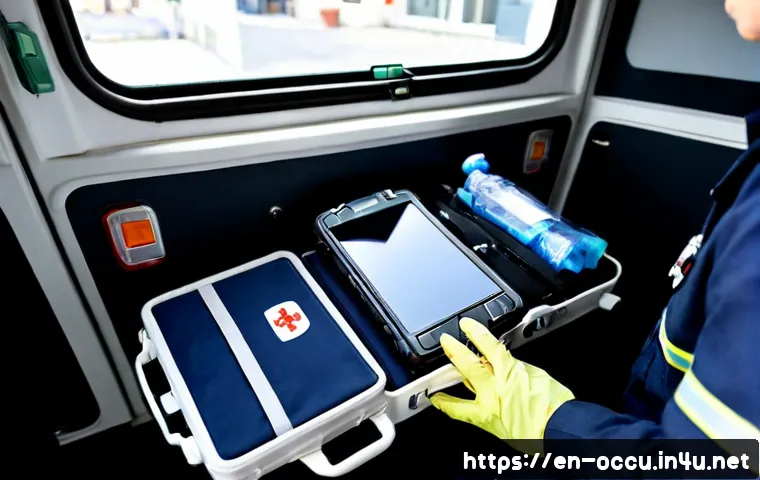
Severe external bleeding may require immediate direct pressure and, when appropriate and trained, a tourniquet or hemostatic dressing. These tools are often considered when selecting more comprehensive trauma supplies for a workplace, vehicle, outdoor setting, or higher-risk environment.
Continue to monitor the person while waiting for EMS and follow your training or dispatcher instructions. A recovery position may be taught in first-aid training for certain circumstances, but it should not replace emergency activation or override local guidance. Avoid unnecessary movement unless there is a clear safety reason.
Training and Equipment Comparison for Home, Work, and Community Settings
The best preparedness setup is not always the largest kit or the lowest-priced course. It is the combination of training, equipment access, maintenance, and clear responsibilities that fits the setting.
Basic First-Aid Kits Versus Comprehensive Trauma Supplies
A basic home first-aid kit can support everyday readiness when it is easy to locate and checked regularly. More comprehensive trauma supplies may be relevant where severe injuries are more plausible, such as certain workplaces, outdoor activities, or locations far from immediate help.
Before adding specialized supplies, ask practical questions: Who will use them? Is there training for them? Can the supplies be inspected and replaced? Will they be stored where people can reach them quickly? Equipment that is inaccessible or unfamiliar may not improve real-world readiness.
CPR/AED Certification: Individual Classes, Group Sessions, and Employer Programs
An individual CPR/AED class can suit a family member, volunteer, caregiver, or person preparing for a role with emergency responsibilities. Group training may help a small office establish shared language and task assignments. Employer programs can connect training with the organization’s emergency plan, equipment locations, and documentation process.
When comparing first-aid and CPR certification courses, look beyond the course fee. Consider whether the provider is appropriately accredited for your needs, whether practical equipment use is included, whether refresher training is available, and whether the course aligns with employer or local requirements.
What to Evaluate Beyond Course Price: Accreditation, Refreshers, Equipment Practice, and Support
A low course price may not be the best value if the training does not match the risks you expect to face. Ask whether learners practice with an AED, review bleeding-control equipment, and understand how to work with emergency dispatch and arriving EMS personnel.
For an AED program, evaluate the broader support plan as well. This can include placement, accessibility, inspection needs, staff confidence, maintenance processes, and any local compliance requirements. Official course details and equipment support conditions should be reviewed on the relevant provider page before enrolling or purchasing.
Common Emergency Response Mistakes to Avoid
Many response problems are not caused by a lack of concern. They happen when people act without a clear sequence, wait too long to call, or use equipment beyond their training.
Entering an Unsafe Scene or Moving a Person Without a Clear Reason
Do not assume a scene is safe because the injured person is visible. Pause, scan for hazards, and consider whether you need additional help. Also avoid moving a person without a clear safety reason or direction from trained guidance.
Delaying the Emergency Call While Searching for Supplies
Searching for a first-aid kit, AED, or a trained coworker should not delay emergency activation when the situation appears serious. Call early, then assign another person to retrieve equipment if possible. This is a central feature of a strong workplace emergency response plan.

Using Medical Tools or Techniques Beyond Your Training
Specialized supplies can look reassuring, but they are not a substitute for instruction. Follow your level of training, the tool instructions, local protocols, and emergency dispatcher guidance. If your organization keeps trauma supplies or an AED, pair the equipment with appropriate training and regular review.
Forgetting to Relay Key Observations to EMS
A useful handoff can include what happened, symptoms or changes you observed, the care provided, and any known medical information. Keep the handoff factual. Short, clear information helps arriving EMS personnel understand the situation quickly.
Adapting the Response to Different Emergency Situations
Emergency priorities remain consistent, but the equipment, roles, and training needs can vary by situation. Scene safety, early emergency activation, and staying within your training remain the foundation.
Suspected Cardiac Arrest in a Public Place
In a public setting, task assignment is especially valuable. One person can call emergency services, another can retrieve an AED, and others can help maintain space and direct responders. AED prompts are designed to guide users, but CPR/AED training can improve confidence with the overall response.
Severe Bleeding at Home, Work, or Outdoors
Severe external bleeding requires urgent attention. Direct pressure is a core bleeding-control concept, while tourniquets and hemostatic dressings should be used when appropriate and by people trained to use them. A remote outdoor setting, a higher-risk workplace, and a typical home may require different equipment planning.
Choking, Fainting, Seizures, and Suspected Overdose
These events can look very different, but the response should still begin with safety and emergency activation when serious symptoms are present. Avoid guessing the diagnosis or applying techniques you have not been taught. Current, accredited first-aid training can help participants understand what to observe, when to seek emergency assistance, and how to follow local protocols.
When a Workplace Emergency Action Plan Changes the Response
A workplace plan can reduce hesitation by identifying communication procedures, trained responders, equipment locations, and documentation expectations in advance. It can also clarify who contacts emergency services, who retrieves supplies, and who communicates with arriving responders.
A plan should be understandable during stress. If employees cannot quickly locate the first-aid kit, AED, emergency contacts, or trained responders, the plan needs review.
Selection Criteria and Comparison Summary
Choose Training Based on Likely Risks, Not Only the Lowest Course Fee
Start with the situations people are most likely to encounter. A household may prioritize basic first aid and CPR/AED training. A small office may need shared CPR/AED training plus clear communication procedures. A higher-risk workplace may need a more structured emergency response training program that connects training to equipment and incident processes.
Choose Equipment Based on Access, Inspection Needs, and Responder Confidence
Choose supplies that people can locate and use appropriately. Consider storage locations, inspection responsibilities, replacement needs, and whether the available responders are trained. For AED selection, compare the equipment support plan as well as the device itself.
Build a Simple Readiness Checklist for Your Location
Use this short checklist before choosing a course, AED program, or first-aid supply package:
- Risk: What emergencies are reasonably possible in this location?
- People: How many occupants, visitors, or staff members may need support?
- Training: Who is trained, and when will refresher training be reviewed?
- Access: Can responders quickly find emergency contacts and equipment?
- Maintenance: Who checks supplies, equipment status, and documentation?
- Compliance: What local, employer, or provider requirements need confirmation?
Before selecting a training provider or equipment support plan, review the official course details, maintenance terms, and applicable local requirements on the relevant provider page.
In Closing
Emergency readiness is built around a few disciplined priorities: stay safe, call for help early, and provide care within your training. CPR/AED certification, first-aid courses, workplace responder training, and properly maintained equipment can each serve a different need. The goal is not to turn every bystander into a medical professional. It is to make the first minutes more organized, safer, and more useful for the person in need and the EMS team that follows.
Useful Things to Know
1. Local emergency numbers and approved response protocols vary, so confirm them for your home, workplace, or travel destination.
2. An AED program involves more than purchasing a device; access, maintenance, training, and support all matter.
3. A workplace emergency plan is easier to use when equipment locations and communication roles are reviewed before an incident occurs.
4. A concise EMS handoff should focus on what happened, what you observed, and what actions were taken.
Important Notes
This article provides general preparedness information, not medical diagnosis or individualized emergency instruction. Emergency numbers, legal protections, certification standards, equipment requirements, and approved techniques can vary by country, state, employer, and training provider. Do not assume that CPR procedures, pediatric care, medication use, or bleeding-control protocols are identical in every setting. Seek current instruction from an appropriately accredited provider and follow local emergency guidance.
Frequently Asked Questions
Q1. Do I need CPR certification to use an AED in an emergency?
A1. An AED can provide prompts for trained or untrained rescuers, and CPR and AED use are commonly taught together. CPR/AED certification can help you understand the wider emergency response process, including scene safety, emergency activation, and communication. Local rules and workplace policies should still be confirmed.
Q2. How do I choose between a basic first-aid course and a CPR/AED certification course?
A2. Compare the course content with the risks you expect to face. Basic first-aid training may suit general home readiness, while CPR/AED certification may be more appropriate for people who want practice responding to suspected cardiac arrest and using an AED. Consider accreditation, hands-on practice, refresher options, and any employer requirements.
Q3. What should a small business consider before buying an AED or workplace first-aid supplies?
A3. Consider the number of occupants, likely risks, equipment placement, maintenance responsibilities, trained responder availability, communication procedures, and local compliance requirements. An AED or supply kit is most useful when employees can find it quickly, understand its role, and have a clear plan for contacting emergency services and handing off information to EMS.