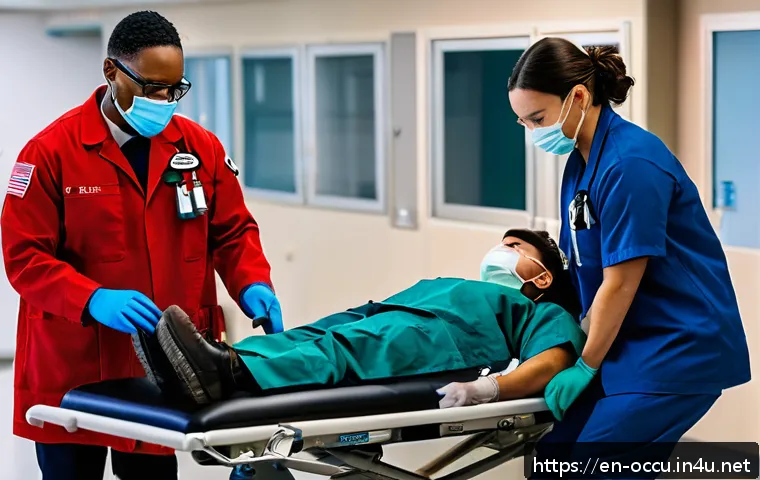
In today’s fast-paced emergency medical environment, mastering patient transport techniques isn’t just a skill—it’s a critical lifeline. With advances in technology and evolving protocols, EMTs face new challenges that demand precision and efficiency more than ever.
Whether you’re a seasoned professional or just starting your journey, understanding the nuances of safe, swift patient movement can make all the difference in outcomes.
Join me as we dive into essential strategies that elevate your response game and ensure every transport counts when seconds mean everything. This guide promises practical insights you can rely on in the field, turning knowledge into lifesaving action.
Optimizing Patient Movement for Safety and Speed
Understanding Body Mechanics to Prevent Injuries
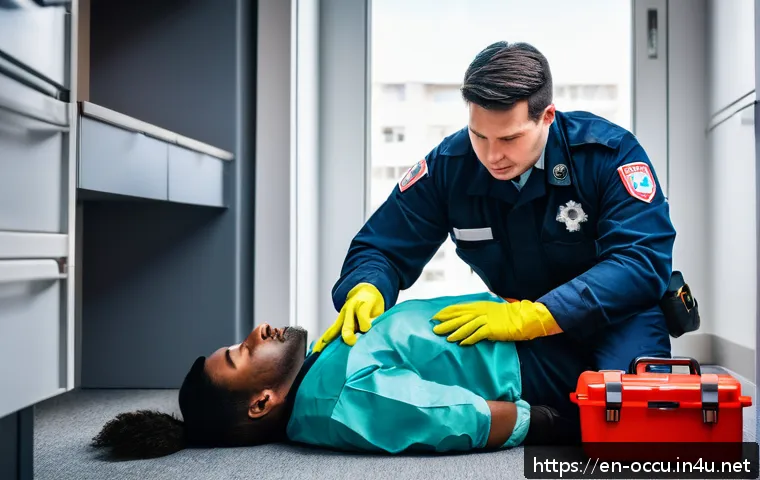
When moving patients, it’s tempting to rely on raw strength, but proper body mechanics can make all the difference in preventing injuries to both the patient and the EMT.
I’ve found that keeping a wide base with your feet, bending at the knees rather than the waist, and engaging your core stabilizes your movements and reduces strain.
This approach doesn’t just protect your back—it also allows for smoother, more controlled lifts. In chaotic emergency scenes, these small adjustments can prevent a spill or a sudden jolt, which might exacerbate the patient’s condition.
Choosing the Right Equipment for Each Scenario
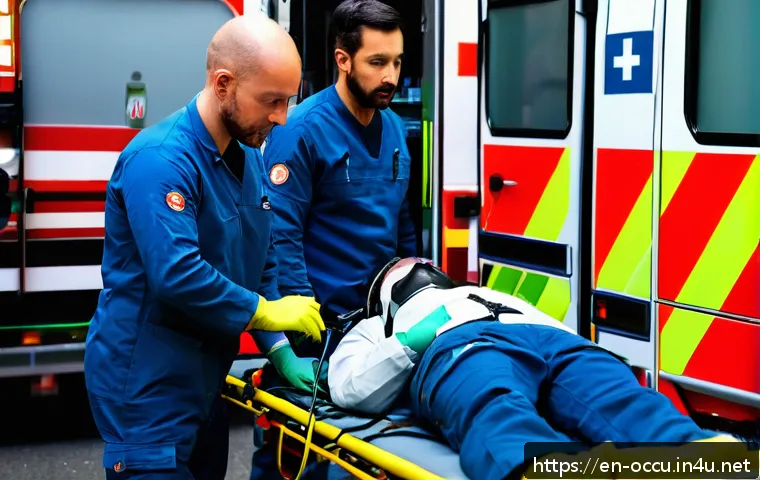
Over the years, I’ve learned that selecting the appropriate transport device isn’t just about convenience but can be a lifesaver. Stretchers, stair chairs, and scoop stretchers all serve unique purposes depending on the patient’s condition and environment.
For example, stair chairs excel in tight stairwells but aren’t ideal for spinal injuries. Having a mental checklist of equipment capabilities ensures that you’re not caught off guard.
Don’t overlook the importance of regularly inspecting and maintaining gear—malfunctioning equipment can turn a routine move into a dangerous situation.
Communication: The Unsung Hero of Smooth Transfers
One of the most overlooked aspects of patient transport is clear communication among team members. From my experience, a quick, concise briefing before lifting—covering who leads, who supports, and what movements to expect—creates synchronized action and reduces confusion.
During transport, verbal cues help adjust pace and posture, especially when navigating obstacles like doorways or uneven terrain. This teamwork doesn’t just streamline the process; it reassures the patient and keeps everyone on the same page.
Adapting to Environmental Challenges
Handling Confined Spaces and Obstacles
Emergency scenes are rarely ideal. Tight hallways, narrow staircases, and cluttered rooms often force EMTs to get creative. I remember a call where a patient had to be moved through a cramped apartment with barely enough room to maneuver a stretcher.
In such cases, breaking down the transport into smaller, deliberate steps rather than rushing helps avoid accidents. Using modular equipment that can be adjusted or separated proves invaluable here.
Also, always scout the path before moving the patient, looking for tripping hazards or tight corners that require special attention.
Transporting Patients in Adverse Weather Conditions
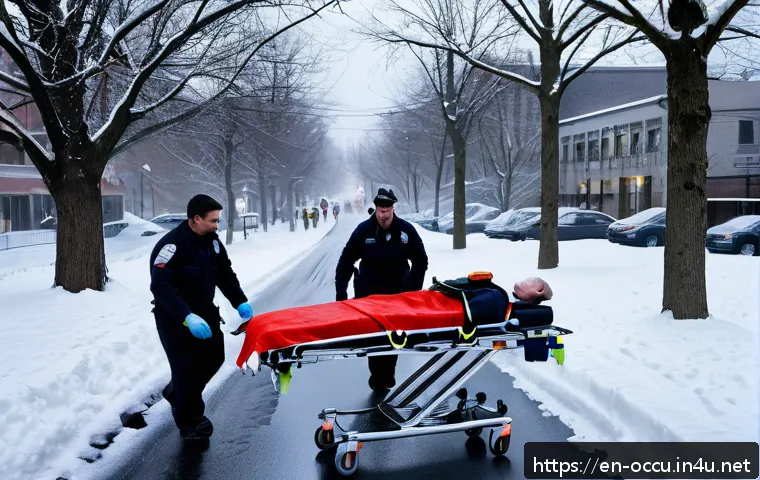
Weather can throw a wrench into even the best-laid plans. Rain, snow, and ice dramatically increase the risk of slips and falls. When I worked through a winter storm call, I realized how critical it was to use non-slip footwear and stabilize both the patient and equipment firmly.
Covering patients with waterproof blankets and ensuring quick but cautious movement reduces exposure and prevents hypothermia. Remember, rushing in these conditions can cause more harm than good, so balance speed with safety.
Managing Transport in Crowded or High-Traffic Areas
Crowded scenes, such as concerts or busy urban settings, bring their own set of challenges. The key is crowd control and situational awareness. I’ve found that positioning team members as guides and lookouts helps carve out a clear path.
Using loud but calm verbal instructions directs bystanders away without causing panic. It’s also essential to anticipate bottlenecks and plan alternate routes ahead of time.
In these environments, patience and clear communication often outweigh brute force.
Mastering Patient Positioning for Optimal Care
Adjusting Positions Based on Medical Conditions
Positioning isn’t one-size-fits-all. Depending on the patient’s injuries or conditions, slight adjustments can alleviate pain or improve breathing. For example, elevating the head for patients with respiratory distress or placing trauma patients in a supine position to stabilize the spine can be critical.
From personal experience, asking even brief questions about comfort or pain points during transport provides clues to better positioning and prevents deterioration.
Securing Patients Without Compromising Circulation
Straps and restraints are essential for safety, but improper use can cause more harm than good. I always check for tightness—not too loose to allow slipping, yet not too tight to restrict blood flow.
Padding under straps can prevent pressure sores during longer transports. Additionally, monitoring distal pulses and skin color during transport helps catch early signs of compromised circulation.
Balancing safety and comfort is a fine art that comes with practice.
Using Technology to Monitor Patient Status During Transport
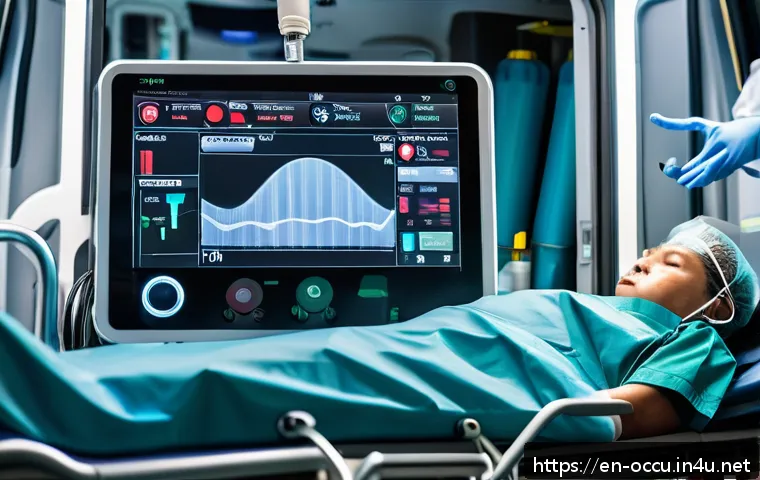
Modern transport often includes portable monitors like pulse oximeters and cardiac monitors. Integrating these devices allows continuous assessment while on the move.
I’ve noticed that being comfortable with this technology reduces stress and lets me focus more on smooth transport rather than guessing patient status.
Training on device setup and troubleshooting is essential, as glitches can happen in the field and knowing how to quickly adapt is a lifesaver.
Efficient Team Coordination for Seamless Transfers
Role Assignments and Leadership
In every call, clearly defined roles prevent overlap and confusion. I’ve been part of teams where a designated leader calls out commands and keeps everyone aligned.
This approach boosts confidence and minimizes hesitation. Even in small teams, establishing who communicates with medical control or family members while others focus on physical transport improves overall efficiency.
Leadership isn’t about authority but about guiding the team safely through each step.
Practicing Drills to Build Muscle Memory
Routine practice drills are more than just training—they build instinctual responses that kick in during high-pressure situations. I recall how a weekly team drill improved our timing and coordination, cutting down transfer times significantly.
Muscle memory from these exercises reduces cognitive load during real emergencies, allowing focus on patient needs and environmental factors. Incorporating variations in drills, such as simulating obstacles or equipment failure, prepares the team for unpredictable challenges.
Post-Transport Debriefing for Continuous Improvement
After every transport, taking a moment to debrief with the team sharpens skills and addresses any issues encountered. I’ve found that discussing what went well and what could improve fosters a culture of learning and safety.
Sometimes, a small adjustment to technique or communication can prevent future mishaps. Encouraging open, blame-free feedback keeps morale high and builds trust within the team.
Key Techniques and Best Practices at a Glance
| Technique | Purpose | Best Practice Tips |
|---|---|---|
| Log Roll | Spinal injury patient movement | Maintain head and neck alignment; coordinate team timing |
| Two-Person Carry | Transport in tight or uneven spaces | Use coordinated lifting; communicate frequently |
| Stair Chair Use | Safe descent/ascent on stairs | Secure patient firmly; check weight limits; slow controlled movements |
| Securing Straps | Prevent patient falls during transport | Ensure snug but not restrictive; pad pressure points |
| Communication Protocol | Team coordination and patient reassurance | Brief before lift; use clear commands; update continuously |
Emergency Transport Adaptations for Special Populations
Transporting Pediatric Patients Safely
Kids aren’t just small adults—they require special care and attention. From my experience, securing pediatric patients involves using appropriately sized equipment and calming techniques to reduce anxiety.
Explaining each step in a gentle voice can make a huge difference in cooperation. I’ve seen how distractions like toys or music help keep children calm, which in turn makes handling safer and smoother.
Considerations for Geriatric Patient Transfers
Older adults often come with fragile bones and chronic conditions. Slow, deliberate movements reduce the risk of fractures or pain. I always check for assistive devices like walkers or canes and make sure these are transported alongside.
Communicating clearly and patiently helps ease fears and ensures the patient feels respected and cared for.
Handling Patients with Behavioral or Cognitive Challenges
Patients with dementia, PTSD, or other cognitive issues may react unpredictably. Establishing trust quickly through calm tone and clear explanations is crucial.
I’ve learned that involving family members or caregivers during transport can ease agitation. Safety measures must balance restraint with dignity, ensuring the patient isn’t traumatized further during the process.
In Conclusion
Ensuring patient safety and efficiency during transport requires a blend of skill, communication, and adaptability. Through mindful body mechanics, proper equipment use, and teamwork, EMTs can significantly reduce risks and improve outcomes. Each situation presents unique challenges, but with preparation and experience, smooth and safe transfers become achievable every time.
Helpful Tips to Remember
1. Always prioritize clear communication before and during patient movement to synchronize team efforts and reassure the patient.
2. Regularly inspect and maintain your equipment to avoid unexpected failures during transport.
3. Adapt patient positioning based on their medical condition to enhance comfort and prevent complications.
4. Practice transport drills frequently to build muscle memory and improve coordination under pressure.
5. Be mindful of environmental factors like weather and crowded spaces, adjusting your approach to maintain safety.
Key Takeaways for Effective Patient Transport
Mastering patient movement involves a combination of proper technique, communication, and environmental awareness. Protecting both the patient and the EMT from injury is paramount, which is achieved through ergonomic body mechanics and the correct use of transport devices. Leadership and clear role assignments foster smooth teamwork, while continuous training and debriefing help refine skills. Finally, tailoring care to special populations ensures respect and safety for all patients during emergency transports.
Frequently Asked Questions (FAQ) 📖
Q: What are the most important safety precautions EMTs should take during patient transport?
A: Safety during patient transport is crucial, and EMTs should always prioritize securing the patient properly to prevent any movement that could worsen injuries.
This includes using appropriate restraints like straps and immobilization devices depending on the patient’s condition. Additionally, EMTs must ensure clear communication with the transport team and maintain situational awareness of the environment to avoid obstacles or sudden stops.
From my experience, double-checking equipment and patient positioning before moving can save precious seconds and reduce risks significantly.
Q: How can EMTs improve efficiency without compromising patient care during transport?
A: Efficiency comes from thorough preparation and teamwork. Before transport, quickly assessing the patient’s needs and anticipating challenges helps streamline the process.
Using standardized protocols and checklists ensures nothing essential is missed, which I’ve found invaluable in high-pressure situations. Also, maintaining calm and clear communication among team members allows for smooth coordination.
Balancing speed with careful monitoring during transport ensures the patient remains stable, which is key to better outcomes.
Q: What new technologies are changing the way patient transport is handled in emergency medical services?
A: Advances like lightweight stretchers with built-in monitoring systems, GPS tracking for ambulance routing, and telemedicine integration are transforming patient transport.
For instance, I’ve seen how real-time vital sign monitoring during transit enables EMTs to make informed decisions and alert hospitals ahead of arrival.
These technologies not only enhance patient safety but also improve response times. Staying updated with these tools and training regularly on their use can give EMTs a significant edge in delivering timely, quality care.