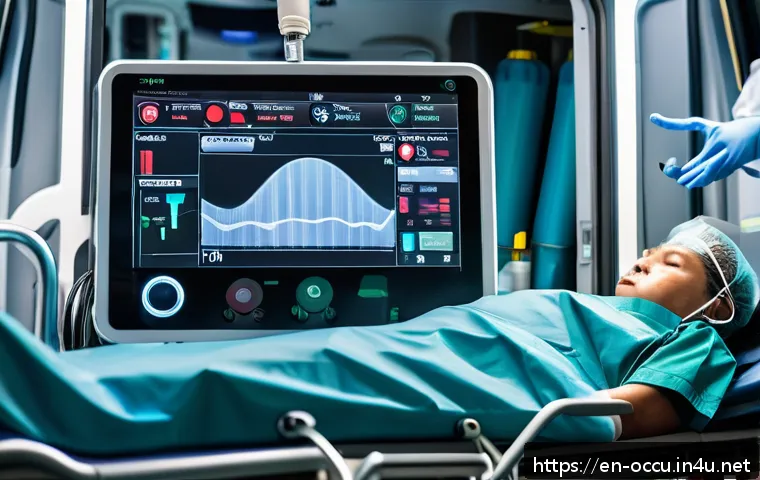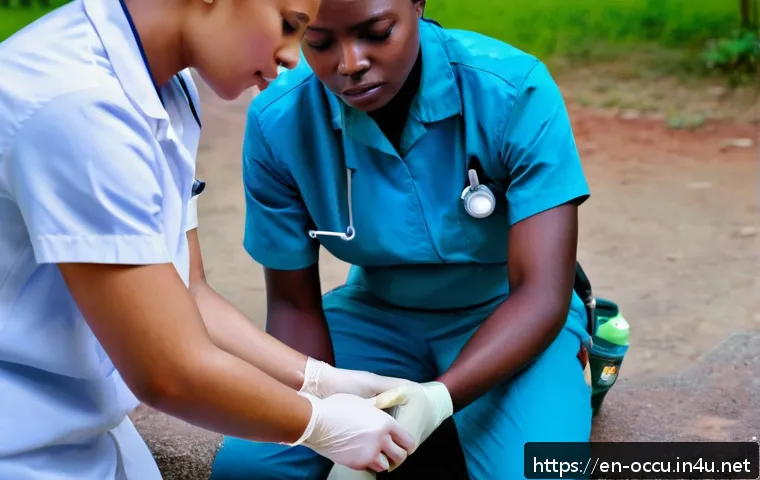
Preparing for the practical exam as an emergency medical technician can be both exciting and nerve-wracking. Knowing exactly what to expect and having a clear checklist can make all the difference when it comes to performing confidently under pressure.
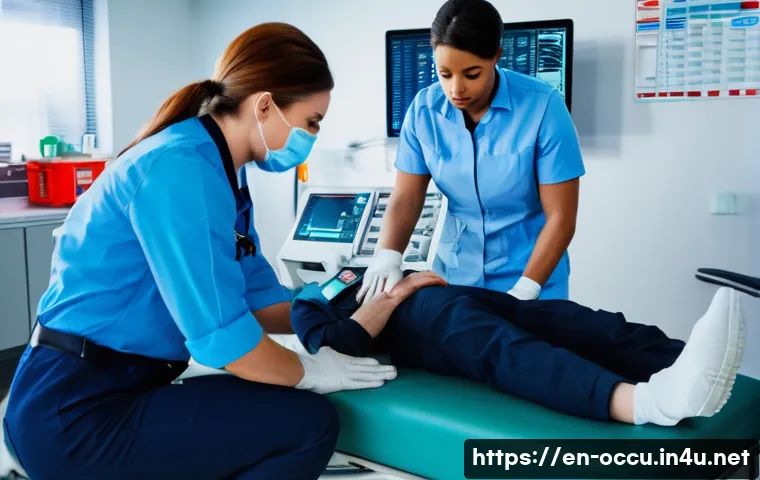
From mastering essential skills to managing time effectively, every detail counts in ensuring you pass with flying colors. Many candidates find that organizing their study routine around a well-structured checklist helps reduce anxiety and boosts practical readiness.
If you want to approach the exam with confidence and clarity, understanding these key points is crucial. Let’s dive in and explore the essential checklist in detail!
Mastering Core Clinical Skills
Airway Management Techniques
Getting the airway open and maintained is the absolute foundation of emergency care. When I first practiced, I realized that being comfortable with both basic and advanced airway maneuvers saved me from fumbling during the exam.
You want to be fluent with head-tilt chin-lift and jaw-thrust maneuvers, and also familiar with adjuncts like oropharyngeal and nasopharyngeal airways.
Practicing on mannequins repeatedly made a huge difference. Don’t just memorize steps; try to visualize yourself doing it in real emergencies. This kind of mental rehearsal boosts confidence beyond words.
Effective Cardiopulmonary Resuscitation (CPR)
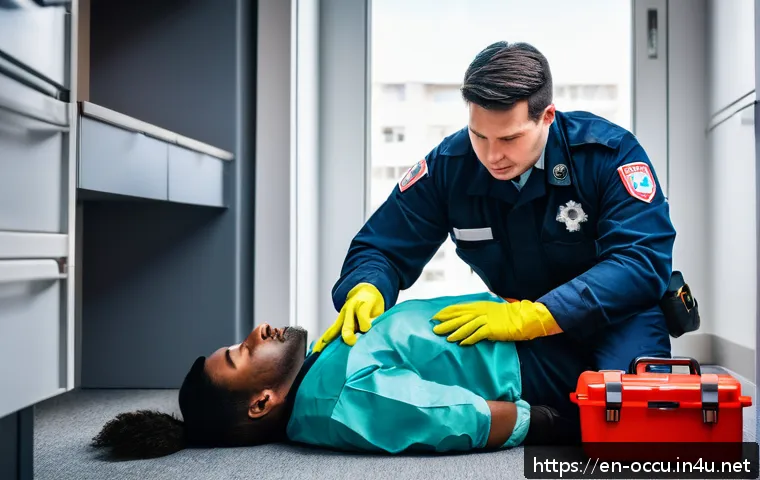
CPR is probably one of the most stressful parts for many candidates, but it’s all about rhythm and confidence. When I trained, timing chest compressions with breaths felt awkward at first, but once I got the hang of the cycle—30 compressions to 2 breaths—I felt like I was in control.
Remember to push hard and fast, at least 2 inches deep and about 100-120 compressions per minute. Also, don’t forget to allow full chest recoil between compressions.
These little details can be the difference between passing and failing.
Patient Assessment and Scene Safety
Before jumping into patient care, always size up the scene for safety. I’ve seen peers get so focused on skills that they overlook this critical step, which can lead to unnecessary risks.
Performing a systematic patient assessment—checking responsiveness, airway, breathing, and circulation—should flow naturally. Practicing this sequence until it becomes second nature is key.
When you know what to expect, you can act swiftly and methodically under pressure.
Time Management Strategies During the Exam
Prioritizing Tasks Efficiently
One of the biggest challenges is managing your time wisely. During my exam, I learned that spending too long on any one skill can throw off your entire performance.
It’s helpful to mentally allocate time for each task beforehand. For example, spend no more than two minutes on airway management and move on even if you feel it’s not perfect.
This approach keeps you on track and prevents panic.
Staying Calm Under Pressure
Time pressure can make your hands shake and your mind race. I found that deep breathing and positive self-talk helped me stay grounded. Tell yourself, “I’ve got this,” and focus on one step at a time instead of the whole exam.
That mindset shift can improve your pacing and accuracy dramatically.
Using Practice Drills to Build Speed
Repetition is your friend. Regular timed practice sessions simulate the exam environment and help build muscle memory. When I timed myself during drills, I noticed my efficiency skyrocketed.
The more familiar you are with the flow, the less overwhelmed you’ll feel on test day.
Equipment Familiarity and Setup
Knowing Your Gear Inside Out
Nothing wastes time like fumbling with unfamiliar equipment. During my prep, I took the time to handle every piece of gear I might use—from blood pressure cuffs to oxygen delivery devices.
Knowing how to assemble and operate them quickly gave me a major confidence boost. If your exam allows, practice with the exact equipment or close substitutes.
Organizing Your Equipment Bag
A well-organized bag can be a lifesaver during practical exams. When I prepped, I sorted my supplies into labeled compartments, so I could grab what I needed instantly.
This simple step helped me avoid awkward pauses and kept my focus on the patient.
Preparing for Equipment Malfunctions
Sometimes things go wrong despite your best efforts. I remember one practice run where the suction device failed. Being ready with backup plans—like knowing manual suction techniques—can keep you calm and adaptable.
This kind of preparedness shows examiners your professionalism and problem-solving skills.
Communication Skills with Patients and Team Members
Building Rapport Quickly
You might think technical skills alone win the day, but communication is just as crucial. When I role-played patient interactions, I noticed that a calm, reassuring tone instantly put patients at ease.
Simple phrases like “I’m here to help you” and maintaining eye contact made a big difference. Examiners look for this bedside manner as a sign of professionalism.
Clear and Concise Reporting
During handoffs or when explaining your actions, clarity is everything. I practiced summarizing patient status and interventions in short, direct sentences.
This habit prevented confusion and demonstrated command over the situation. Think of it like a news report—get the facts across without rambling.
Team Coordination and Leadership
If you’re working with a partner or instructor, effective teamwork can impress examiners. I made it a point to delegate tasks clearly and confirm understanding during drills.
Phrases like “You take vitals while I manage airway” ensure everyone is on the same page. Leading smoothly under pressure is a skill that develops with practice but stands out during exams.
Stress Management Techniques for Exam Day
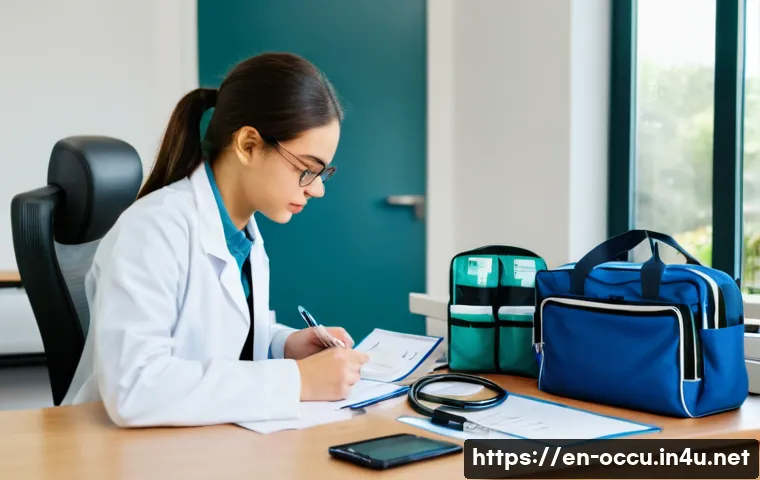
Physical Preparation and Rest
I can’t stress enough how important sleep and nutrition are before the exam. When I pulled an all-nighter before a practice test, my focus was shot, and mistakes piled up.
Being well-rested and hydrated sharpens your mental clarity and reaction time. Try to eat a balanced meal beforehand to keep your energy steady.
Mindfulness and Breathing Exercises
Simple mindfulness techniques helped me keep anxiety at bay. Taking a few deep, slow breaths before starting calmed my racing heart and cleared my head.
Even a quick moment of grounding—like feeling your feet on the floor—can reduce stress and improve performance.
Positive Visualization and Affirmations
Before I stepped into the exam room, I visualized myself completing each skill confidently. This mental rehearsal made the real thing feel less intimidating.
Pair this with affirmations like “I am prepared and capable,” and you’ll boost your self-belief, which is half the battle.
Reviewing Common Scenarios and Protocols
Trauma Patient Assessment
Trauma cases can be complex, but having a solid approach helps. I practiced the primary survey method—checking airway, breathing, circulation, disability, and exposure (ABCDE)—until it was second nature.
Breaking down the process step-by-step reduces overwhelm and ensures no critical step is missed.
Medical Emergencies and Differential Diagnosis
You’ll likely encounter scenarios like chest pain, stroke, or diabetic emergencies. I found that reviewing common signs and symptoms alongside treatment protocols helped me think on my feet.
For instance, recognizing stroke signs quickly (using FAST: Face drooping, Arm weakness, Speech difficulty, Time to call 911) can direct immediate actions.
Legal and Ethical Considerations
Understanding your scope of practice and patient rights is vital. I reviewed local EMS guidelines and the importance of consent, confidentiality, and documentation.
This knowledge gave me confidence that I was not only clinically prepared but also ethically grounded.
| Skill Area | Key Focus | Time Allocation | Common Pitfalls |
|---|---|---|---|
| Airway Management | Proper technique, adjunct use | 2-3 minutes | Inadequate seal, rushing steps |
| CPR | Compression depth/rate, breath timing | 2 minutes cycles | Shallow compressions, poor recoil |
| Patient Assessment | Systematic approach, scene safety | 3-5 minutes | Skipping scene size-up, disorganized assessment |
| Equipment Handling | Familiarity, quick setup | 1-2 minutes | Confusion, delays due to disorganization |
| Communication | Clear, calm patient and team interaction | Continuous | Rambling, unclear instructions |
Final Skill Refinements and Self-Evaluation
Simulated Practice Exams
Doing mock practicals under timed conditions was a game-changer for me. It mimics the real exam pressure and highlights areas needing improvement. If you can, record yourself or get feedback from instructors to identify habits you might overlook.
Reflecting on Mistakes and Adjusting
After every practice session, I took notes on what went well and what didn’t. This honest reflection helped me target weaknesses rather than just repeating the same routine.
For example, if I stumbled on patient communication, I practiced more focused scenarios until I felt comfortable.
Maintaining a Positive Mindset
Keeping your spirits up throughout preparation is crucial. I reminded myself that every expert was once a beginner and that progress comes with persistence.
Celebrate small wins, like mastering a tricky skill or improving your time, to stay motivated and keep anxiety at bay.
글을 마치며
Mastering clinical skills requires dedication, practice, and a calm mindset. Through focused preparation and real-world simulations, you can build the confidence needed to excel. Remember, each step you take brings you closer to becoming a competent and compassionate healthcare provider. Keep practicing, stay positive, and trust in your abilities on exam day.
알아두면 쓸모 있는 정보
1. Consistent hands-on practice with airway and CPR techniques significantly improves muscle memory and confidence.
2. Time management during exams is crucial—allocating specific time slots to each task helps avoid panic and rushed decisions.
3. Familiarity with your equipment and having backup plans for malfunctions can prevent unnecessary stress during practical assessments.
4. Effective communication, both with patients and team members, enhances professionalism and exam performance.
5. Incorporating mindfulness and positive visualization techniques helps reduce anxiety and improve focus on exam day.
중요 사항 정리
Success in clinical exams hinges on a balance of technical proficiency, efficient time use, and clear communication. Prioritize safety by assessing the scene before patient care, and maintain steady composure through stress management strategies. Regular simulated practice and honest self-evaluation refine skills and reveal areas for improvement. Lastly, being well-prepared with equipment knowledge and ethical awareness demonstrates professionalism that examiners value highly.
Frequently Asked Questions (FAQ) 📖
Q: What are the most critical skills I should focus on mastering for the EMT practical exam?
A: From my experience and talking to many successful candidates, focusing on airway management, patient assessment, and CPR techniques is absolutely vital.
These skills form the foundation of emergency care and are tested rigorously. Practicing these repeatedly until they become second nature helps you stay calm and efficient during the exam.
Don’t overlook scenarios involving trauma care and vital signs monitoring either—they often pop up in practical stations. Remember, it’s not just about knowing what to do but doing it smoothly under time pressure.
Q: How can I effectively manage my time during the practical exam to avoid feeling overwhelmed?
A: Time management is a game-changer. When I took the exam, I found that mentally breaking down each station into smaller tasks helped me stay on track. For example, spend the first few seconds quickly scanning the scenario, then systematically perform assessments and interventions.
Avoid rushing but keep a steady pace—panicking wastes precious seconds. Practicing with a stopwatch during your study sessions can build a natural rhythm.
Also, don’t get stuck on one step; if something doesn’t go as planned, move on and come back if time allows.
Q: What’s the best way to reduce anxiety and boost confidence before the practical exam?
A: Anxiety is totally normal, but I learned that preparation really eases those nerves. Creating and sticking to a detailed checklist of skills and protocols gave me a clear roadmap, which reduced uncertainty.
Simulating exam conditions with peers or mentors helped me get used to the pressure. On exam day, deep breathing and positive self-talk made a big difference—I reminded myself that I was ready and capable.
Trusting your training and focusing on one step at a time helps keep your confidence high and your mind clear.