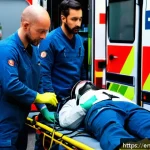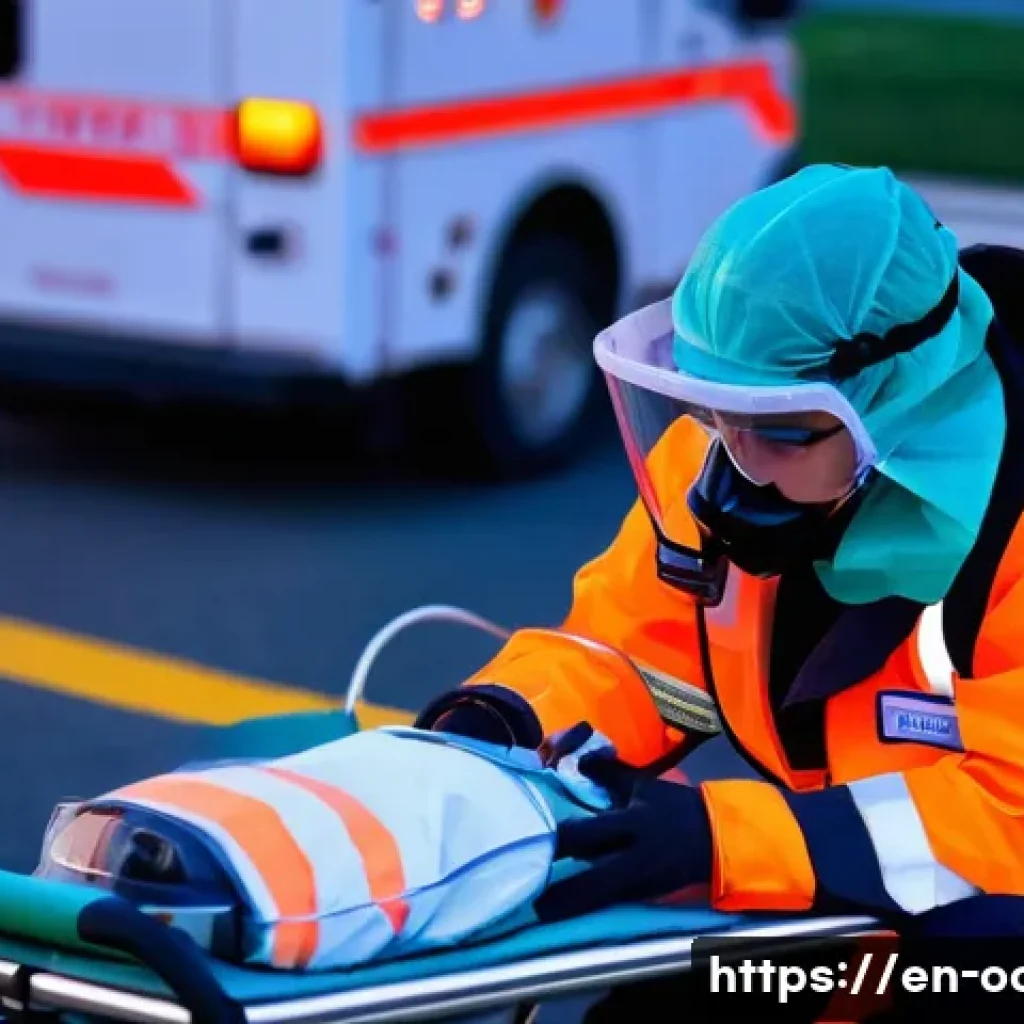
When seconds can mean the difference between life and death, having the right equipment at your fingertips is absolutely critical for any emergency medical technician.
Whether you’re responding to a car accident or a sudden cardiac arrest, every tool in your kit plays a vital role in delivering quick and effective care.
From airway management devices to trauma supplies, understanding what’s essential can boost your confidence and efficiency on the field. Over time, I’ve seen how the right gear not only saves lives but also eases the stress during chaotic moments.
If you want to make sure you’re fully prepared for any emergency, let’s dive into the must-have equipment EMTs rely on every day. I’ll break it down clearly so you know exactly what matters most!
Essential Airway Management Tools EMTs Can’t Do Without
Oxygen Delivery Devices and Their Practical Use
When you’re on scene, ensuring a patient’s airway is open and they’re getting enough oxygen is top priority. Devices like nasal cannulas and non-rebreather masks are staples in any EMT’s kit.
I remember responding to a call where a patient was struggling to breathe due to an asthma attack. Quickly setting up a non-rebreather mask made all the difference, stabilizing their oxygen levels before hospital arrival.
These tools are straightforward but incredibly effective when seconds count. Nasal cannulas provide low-flow oxygen comfortably, while non-rebreather masks deliver higher concentrations, perfect for more critical cases.
Advanced Airway Equipment for Critical Situations
Beyond the basics, EMTs often carry devices like oropharyngeal airways (OPA) and nasopharyngeal airways (NPA). These help maintain airway patency when patients lose consciousness but still have some airway reflexes.
I’ve found NPAs particularly useful in trauma cases where the mouth is injured or clenched shut. Intubation tools might be outside the EMT’s direct scope depending on the region, but knowing how to assist or prepare for advanced airway management is invaluable.
Mastery of these devices can be the difference between preventing airway obstruction and facing a dire outcome.
Bag-Valve Masks: The Lifesaver in Respiratory Arrest
One of the most hands-on pieces of equipment I rely on is the bag-valve mask (BVM). When a patient isn’t breathing adequately, manual ventilation with a BVM is essential.
I’ve seen how proper technique and timely application can keep a patient stable until advanced care arrives. The challenge is maintaining a good seal and correct ventilation rate, which takes practice.
Carrying different sizes ensures you’re ready for adults, children, and infants alike. It’s not just about having the tool but being confident in its use that really counts.
Vital Signs Monitoring Devices That Keep You Informed
Pulse Oximeters for Rapid Assessment
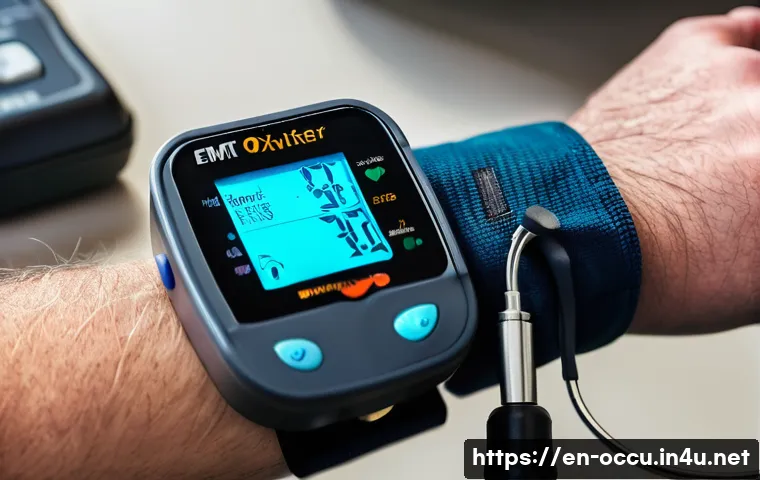
Pulse oximeters have become a go-to gadget for EMTs to quickly check oxygen saturation and pulse rate. It’s a compact, non-invasive device that gives immediate data, guiding treatment decisions.
For example, in cases of suspected carbon monoxide poisoning or respiratory distress, oximeter readings can help determine oxygen needs or urgency. In my experience, having one readily available reduces guesswork and improves patient outcomes by allowing faster intervention.
Blood Pressure Monitors: Manual vs. Automated
Blood pressure is a critical indicator of a patient’s condition. While automated cuffs are common and easy to use, I’ve always valued the skill of manual measurement with a sphygmomanometer and stethoscope.
Manual readings can sometimes be more accurate, especially in chaotic environments or with patients who have irregular pulses. Training to interpret these readings accurately is essential, as blood pressure changes can signal shock, internal bleeding, or cardiac events that demand immediate action.
ECG Monitors for Cardiac Emergencies
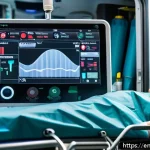
Advanced EMTs often carry portable ECG monitors to detect arrhythmias and other cardiac abnormalities right in the field. I recall a call where early detection of ventricular tachycardia through an ECG monitor allowed for rapid communication with the hospital and preparation for defibrillation.
This kind of equipment elevates prehospital care and can dramatically improve survival chances in cardiac emergencies. Having reliable ECG devices on hand is a game-changer.
Trauma Care Supplies That Make a Difference
Hemorrhage Control Essentials
Uncontrolled bleeding is one of the leading causes of preventable death in trauma. Tourniquets, hemostatic dressings, and pressure bandages are critical components in managing bleeding efficiently.
I’ve been on calls where quick application of a tourniquet stopped life-threatening limb hemorrhage, buying crucial time. Understanding when and how to use these tools correctly is vital.
The difference between panic and control in these moments often hinges on your familiarity with your trauma kit.
Splints and Immobilization Devices
Stabilizing fractures and spinal injuries prevents further damage during transport. EMTs carry various splints—rigid, inflatable, and traction types—to accommodate different injuries.
I’ve found inflatable splints especially useful in the field for their versatility and ease of use. Spinal immobilization devices, including cervical collars and backboards, are also indispensable.
Proper application not only protects the patient but also reassures bystanders and hospital staff of the professionalism in your care.
Burn and Wound Care Supplies
Burns and open wounds require immediate attention to prevent infection and reduce pain. Carrying sterile dressings, burn sheets, and antiseptic wipes is standard.
I remember treating a patient with a chemical burn; having a burn sheet ready helped prevent contamination and eased the patient’s distress. These supplies may seem basic, but their impact on patient comfort and infection control is profound, especially during extended transport times or mass casualty incidents.
Essential Diagnostic and Support Tools for Field Assessment
Glucose Meters and Their Role in Diabetic Emergencies
Hypoglycemia or hyperglycemia can mimic other emergencies like stroke or unconsciousness. Having a portable glucose meter lets you quickly identify blood sugar levels and administer appropriate care.
I’ve seen countless cases where a simple fingerstick test changed the treatment plan entirely. It’s a small device with a massive impact, helping EMTs avoid misdiagnosis and speed up lifesaving interventions.
Thermometers and Their Importance in Infection Control
Monitoring body temperature is critical, especially in febrile patients or suspected infections. Digital thermometers provide quick readings, which are helpful during flu seasons or in pandemic situations.
I recall situations where identifying a fever early helped in isolating the patient and protecting the crew, underscoring how even basic tools contribute to overall safety and care quality.
Flashlights and Communication Devices
While not medical devices per se, reliable flashlights and communication tools are crucial. Nighttime or poorly lit scenes demand strong illumination for safe and accurate care.
Similarly, radios or smartphones ensure coordination with dispatch and hospitals. I always carry extra batteries and backup comms because losing contact or visibility can turn a manageable scene into a nightmare.
Medications and Pharmacological Aids EMTs Should Carry
Common Emergency Medications
Medications like epinephrine auto-injectors, nitroglycerin, aspirin, and glucose gels are lifesavers in the field. I’ve personally administered epinephrine during anaphylactic reactions, witnessing how rapidly it can reverse airway swelling.
Aspirin for chest pain or nitroglycerin for angina can stabilize patients before reaching the hospital. Knowing indications, contraindications, and proper administration is essential for safe use.
Storage and Handling of Medications
Proper storage ensures medication efficacy and safety. Many EMTs use portable coolers or insulated bags to maintain temperature-sensitive drugs. I’ve learned the hard way that exposure to heat or cold can degrade medication potency, so investing in quality storage solutions is worth it.
Regular inventory checks and expiration date monitoring keep the kit ready for any emergency.
Documentation and Legal Considerations
Administering medications requires accurate documentation for patient safety and legal protection. I always note the time, dose, and patient response meticulously.
This practice not only supports continuity of care but also shields EMTs and agencies from liability. Training on local protocols and staying updated on medication guidelines is a must.
Organizing Your EMT Gear for Maximum Efficiency
Backpack vs. Hard Case: Pros and Cons
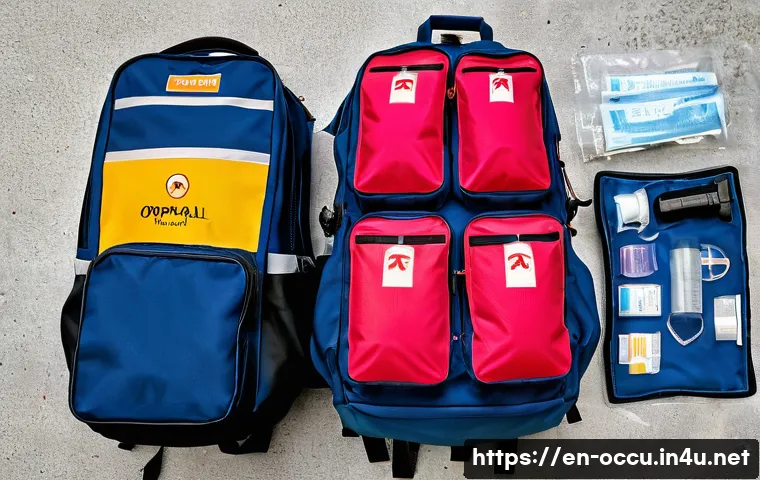
Choosing how to carry your equipment impacts speed and accessibility. Backpacks offer mobility and space but can become cumbersome in tight spaces. Hard cases protect fragile items and keep gear organized but are less flexible.
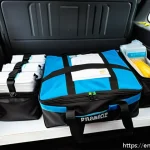
From personal experience, I prefer a hybrid approach: a sturdy backpack with detachable pouches for quick grab-and-go essentials.
Labeling and Color Coding Systems
A well-labeled kit saves precious seconds. Using color-coded compartments or tags for different equipment categories—airway, trauma, medications—helps reduce fumbling during high-pressure moments.
I’ve found that even a simple system like red for bleeding control and blue for respiratory tools can improve my efficiency significantly.
Routine Checks and Restocking Strategies
Regularly inspecting your gear ensures you’re never caught off guard. I set reminders to check equipment weekly, restock used items immediately, and replace expired supplies proactively.
This habit builds confidence and minimizes stress, especially when every piece of gear could be critical on your next call.
| Equipment Category | Key Items | Purpose | Personal Tip |
|---|---|---|---|
| Airway Management | Oxygen masks, OPAs, NPAs, BVM | Maintain airway patency and oxygenation | Practice BVM technique regularly for effectiveness |
| Vital Signs Monitoring | Pulse oximeter, BP cuff, ECG monitor | Assess patient status and guide treatment | Learn manual BP for accuracy in noisy environments |
| Trauma Supplies | Tourniquets, splints, dressings | Control bleeding, immobilize injuries | Keep tourniquets accessible and practice application |
| Diagnostic Tools | Glucose meter, thermometer, flashlight | Quick assessment and scene safety | Carry extra batteries for all electronic devices |
| Medications | Epinephrine, aspirin, nitroglycerin | Immediate pharmacological intervention | Store meds properly and track expiration dates |
| Organization | Backpacks, cases, labels | Efficient access and transport of gear | Use color coding to speed up equipment retrieval |
Personal Protective Equipment (PPE) for EMT Safety
Gloves, Masks, and Eye Protection
Protecting yourself is just as important as treating patients. Gloves, surgical masks, and eye protection create barriers against infectious agents. On multiple calls, PPE has saved me from exposure to bloodborne pathogens and respiratory illnesses.
Always carry multiple sets and replace them between patients to maintain hygiene standards.
High-Visibility Clothing and Scene Safety
When working roadside or in low-visibility conditions, high-visibility vests or jackets are essential. I’ve experienced firsthand how wearing reflective gear prevents accidents and helps other responders identify your location quickly.
Safety on scene allows you to focus fully on patient care without unnecessary distractions.
Disinfection and Decontamination Supplies
After every call, thorough cleaning of equipment and hands is critical. Carrying portable disinfectants and wipes allows you to reduce cross-contamination risks.
I’ve learned that quick decontamination not only protects me but also prevents the spread of infections to the next patient or crew member.
Communication and Documentation Tools to Streamline Care
Radios and Mobile Devices for Coordination
Staying connected with dispatch, hospitals, and other responders is crucial. Radios with clear range and backup mobile devices ensure constant communication.
I keep my radio charged and programmed with local frequencies, which has saved time and confusion during chaotic multi-agency incidents.
Electronic Patient Care Reporting (ePCR) Systems
Modern EMTs use ePCR tablets or apps to document patient care in real time. This technology improves accuracy, speeds up hospital handoffs, and supports quality assurance.
I find that having my documentation ready before arrival saves valuable minutes and enhances patient safety.
Notepads and Pens for Quick Notes
Despite all the tech, sometimes a simple pen and notepad are lifesavers. Jotting down vital signs, patient complaints, or medication times on paper can be faster in certain situations.
I always carry a waterproof notebook for those moments when electronic devices aren’t practical or fail.
Training and Maintenance: The Unsung Tools for Success
Regular Skills Drills and Equipment Checks
No matter how good your gear is, without regular practice, it’s just stuff in a bag. I schedule frequent drills for airway management, bleeding control, and CPR with my team.
These sessions build muscle memory and confidence, ensuring smooth performance under pressure.
Keeping Up With Protocol Updates
Medical guidelines evolve, and so should your knowledge. Staying current with local EMS protocols and attending refresher courses keeps you legally compliant and clinically sharp.
I subscribe to newsletters and participate in webinars to keep my skills fresh.
Cleaning and Equipment Care
Proper maintenance extends the life of your gear and ensures reliability. After every shift, I clean reusable equipment, check batteries, and repair minor damages.
This habit reduces the chance of equipment failure when you need it most, turning preparedness into peace of mind.
글을 마치며
Effective airway management and the right emergency tools are the backbone of quality prehospital care. From oxygen delivery devices to trauma supplies, mastering these essentials can dramatically improve patient outcomes. Remember, it’s not just about having the gear but knowing how to use it confidently under pressure. Continuous training and proper organization ensure you’re always prepared to act swiftly and decisively.
알아두면 쓸모 있는 정보
1. Regular practice with airway devices like BVMs and NPAs significantly boosts confidence and effectiveness during emergencies.
2. Manual blood pressure measurement skills remain invaluable in noisy or unstable environments where automated devices might fail.
3. Proper medication storage, including temperature control, preserves drug efficacy and ensures patient safety.
4. Color-coded and well-labeled kits save precious seconds when seconds truly count in critical situations.
5. PPE and communication devices aren’t just accessories—they’re vital for your safety and seamless coordination on scene.
중요 사항 정리
Ensuring patient airway patency and oxygenation is the top priority, supported by a variety of devices tailored for different situations. Vital sign monitors, trauma kits, and diagnostic tools enable quick assessments and interventions that can save lives. Maintaining and organizing your gear with clear labeling and routine checks prevents delays and equipment failure. Equally important is ongoing training and adherence to updated protocols to provide confident, competent care in every call. Finally, never underestimate the role of personal protective equipment and effective communication in safeguarding both EMTs and patients.
Frequently Asked Questions (FAQ) 📖
Q: What are the absolute must-have tools for an EMT’s emergency kit?
A: The essentials every EMT should carry include airway management devices like oropharyngeal and nasopharyngeal airways, a portable suction unit, and a bag-valve mask for ventilation support.
You also need trauma supplies such as bandages, gauze, and a tourniquet, plus diagnostic tools like a pulse oximeter and blood pressure cuff. From my experience, having these items ready and easily accessible can dramatically improve patient outcomes during those critical first minutes.
Q: How can having the right equipment reduce stress during emergency calls?
A: When you’re in a high-pressure situation, fumbling for gear or realizing you’re missing something vital only adds to the chaos. I’ve been on calls where quick access to the right tool helped me stay calm and focused because I knew I was prepared.
It’s not just about the gear itself but the confidence it gives you to act swiftly and decisively, which in turn lowers stress and improves the quality of care you provide.
Q: How often should EMTs check and maintain their equipment?
A: Regular checks are crucial—ideally before every shift and at least weekly for less frequently used tools. In my time working in the field, I’ve seen that equipment failure often comes down to neglect.
Simple things like replacing expired supplies, ensuring batteries are charged, and testing devices like suction units can make all the difference. Staying proactive with maintenance ensures that when seconds count, your gear performs flawlessly.